Loading…
 🔍 Click to enlarge
treeperennial
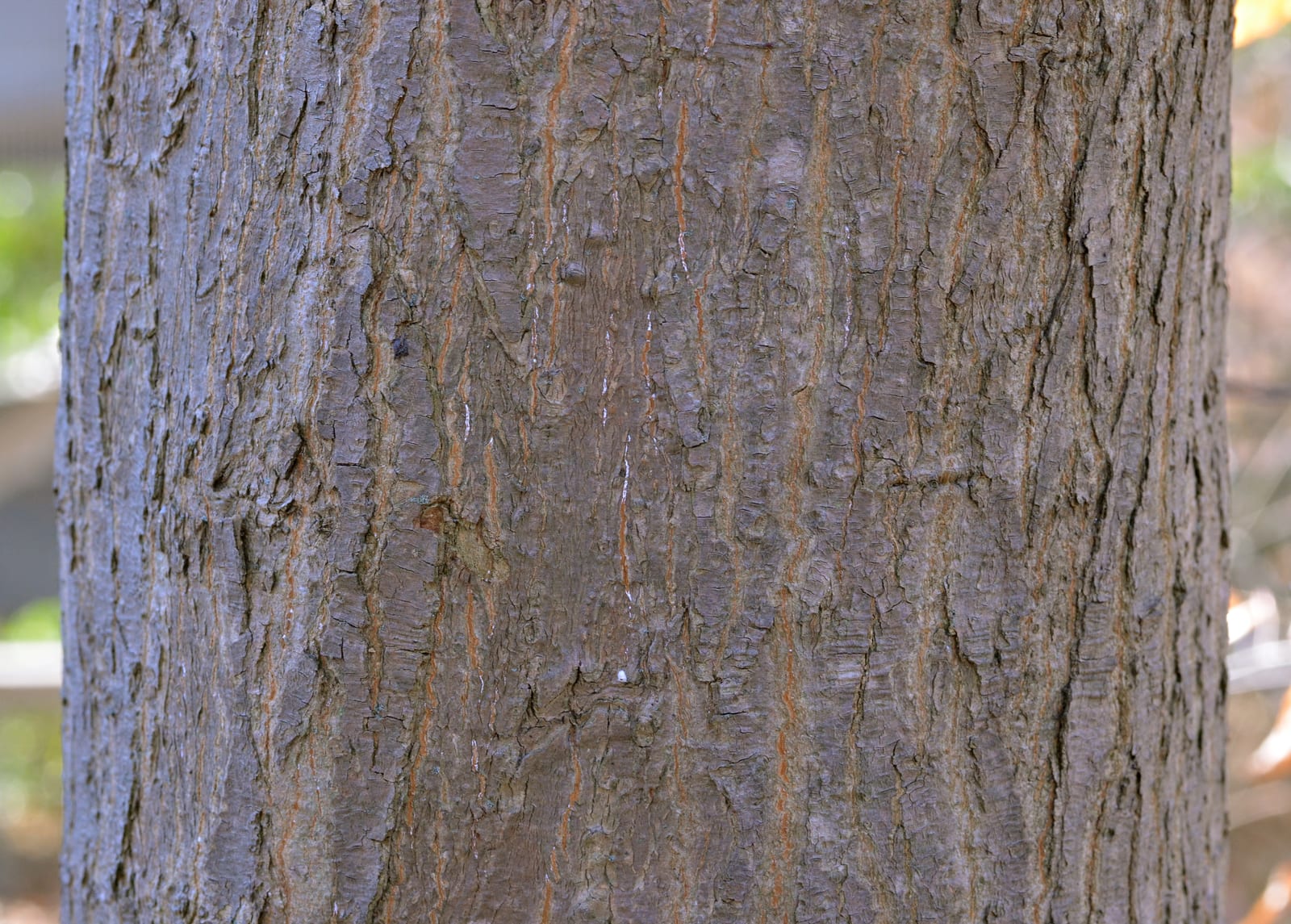
Japanese Maple
Acer palmatum
Ornamental tree with stunning fall color. A focal point in any landscape.
Quick Facts
Sun:⛅ Partial Shade, ☀️ Full Sun
Water:💧💧 Moderate
USDA Zones:Zones 5–9
Space:🌱 Small Bed, 🏡 Large Garden
Soil:Loam, Silty, Peaty
Best Season(s):Spring, Fall
Experience Level:🌿 Intermediate
Native Range:Japan, Korea & China
Bloom Color:Small red flowers, secondary to its famous foliage color
Bloom Cycle:Early spring, inconspicuous
Care Notes
Protect from harsh afternoon sun and wind. Minimal pruning needed.
Growing Details
Mature Size:15-25 ft tall, 15-20 ft wide
Growth Rate:🐢 Slow
Zone Performance
In Zone 5, plant in a site sheltered from winter wind and late-spring frost, which can damage the early-emerging leaves; in Zones 8-9 it needs afternoon shade and consistent moisture to avoid leaf scorch from summer heat. Coastal and inland heat exposure at the warm end of its range is the single biggest factor limiting healthy growth.
Companions & Wildlife
🦌 Deer Resistance
occasionally damaged
Deer generally avoid the tough, dissected leaves but may browse young transplants or rub antlers on thin bark.
🐝 Pollinator Value
low
Small spring flowers offer minor nectar for early native bees, but the tree is grown primarily for foliage, not wildlife value.
Good Companions
Hosta — Shares the dappled shade cast by the canopy and offers contrasting bold foliage at ground level.
Astilbe — Thrives in the same moist, acidic, part-shade conditions and blooms while the maple's foliage provides a shaded backdrop.
Japanese Forest Grass (Hakonechloa) — Echoes the maple's fine-textured, layered look and tolerates the same root competition and shade.
Azalea — Classic underplanting choice sharing acidic, well-drained soil preferences and a similar Japanese-garden aesthetic.
Troubleshooting
⚠️ Leaf scorch (browned, crispy leaf margins)
Move or shade the tree from hot afternoon sun and water deeply during dry spells rather than misting foliage.
⚠️ Verticillium wilt (sudden branch dieback)
Prune out and destroy affected limbs, avoid planting where other wilt-susceptible plants have died, and keep the tree unstressed with proper watering.
⚠️ Late frost damage to new growth
Choose a planting site protected from early morning sun after a freeze, which causes rapid thaw damage to frozen tissue.
⚠️ Pet Safety
Maple leaves (especially wilted) are toxic to horses and can cause mild GI upset in cats and dogs — moderate risk, not severe.
Informational only — always check with a veterinarian if you suspect your pet has eaten something it shouldn't have.