Loading…
 🔍 Click to enlarge
shrubperennial
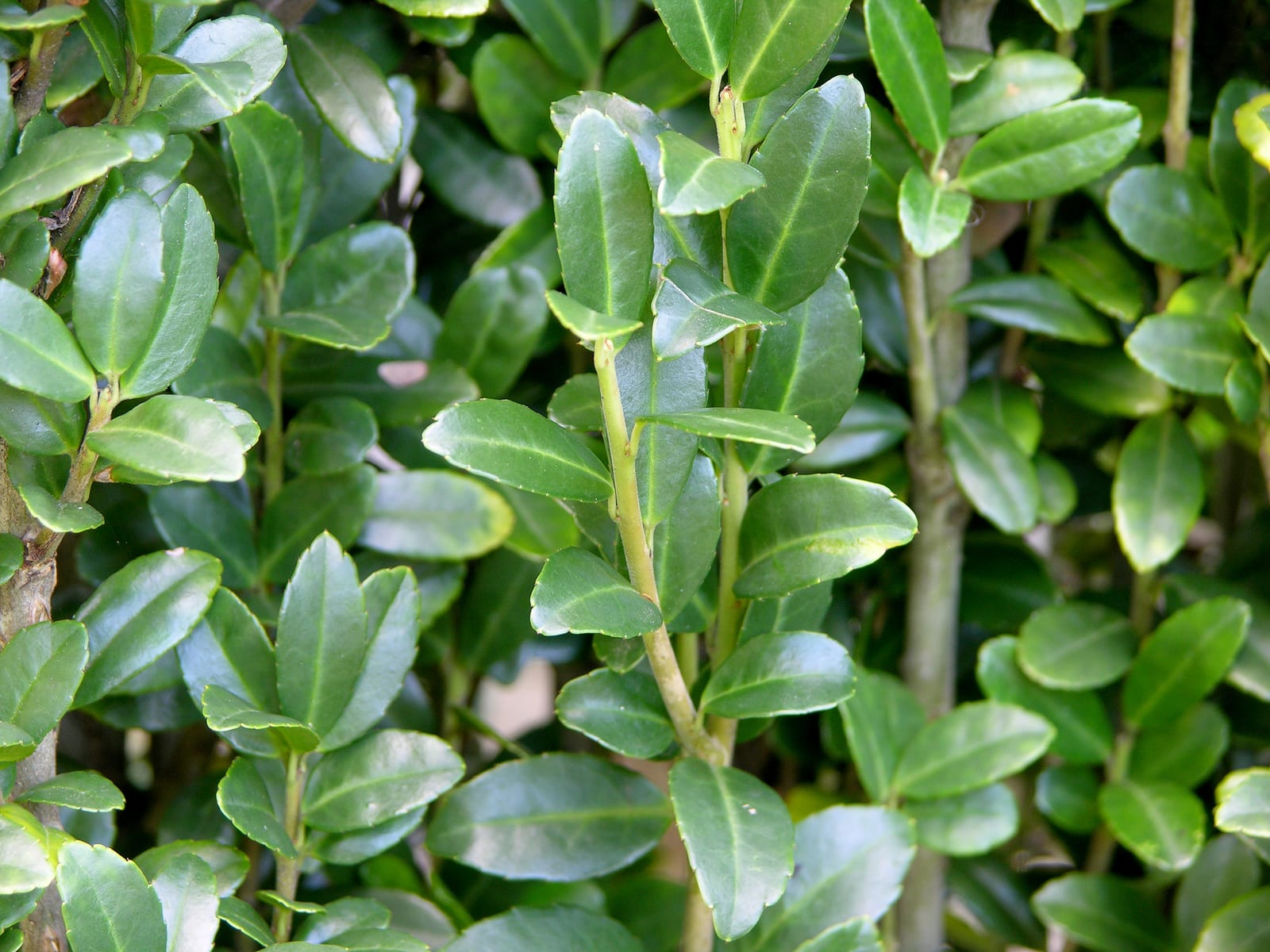
Japanese Holly
Ilex crenata
Fine-textured evergreen with small, rounded leaves — a popular sheared hedge and foundation-planting substitute for boxwood.
Quick Facts
Sun:☀️ Full Sun, ⛅ Partial Shade
Water:💧💧 Moderate
USDA Zones:Zones 5–8
Space:🪴 Container, 🌱 Small Bed
Soil:Loam, Sandy, Silty
Best Season(s):Spring, Fall
Experience Level:🌱 Beginner
Native Range:Japan, Korea, China
Bloom Color:Tiny white, inconspicuous (grown for foliage and shape)
Bloom Cycle:Late spring
Care Notes
Shears well into formal shapes. Needs good drainage — susceptible to root rot in soggy soil.
Growing Details
Mature Size:5-10 ft tall, 5-8 ft wide (dwarf cultivars like 'Helleri' and 'Soft Touch' stay 2-4 ft)
Growth Rate:🌿 Moderate
Zone Performance
At the cold edge of zone 5, Japanese Holly can experience winter leaf burn or dieback after severe cold snaps, especially in windy or unmulched sites. In zone 8, it tolerates heat well but is more prone to root rot in the region's often heavier, poorly drained clay soils, making raised planting or soil amendment important.
Companions & Wildlife
🦌 Deer Resistance
seldom damaged
Deer generally avoid its stiff, spiny-margined leaves, though pressure can increase in areas with high deer density.
🐝 Pollinator Value
low
Tiny, inconspicuous spring flowers offer minor nectar value to small native bees but are not a significant pollinator resource.
Good Companions
Boxwood — Nearly identical fine texture and formal shearing habit lets the two be mixed in a hedge or knot garden without a visual mismatch.
Hosta — Enjoys the same partial shade and well-drained soil, filling the ground layer beneath Japanese Holly's evergreen mass with contrasting broad foliage.
Nandina — Shares similar sun and drainage needs and adds fine-textured evergreen foliage plus winter berry color to complement Japanese Holly's dense form.
Astilbe — Tolerates the same moderate, evenly moist soil and partial shade, contributing feathery summer bloom spikes against Holly's dark, glossy backdrop.
Troubleshooting
⚠️ Root rot and yellowing in poorly drained soil
Plant in well-amended, well-drained soil or a raised bed, and avoid overwatering — this species is far more sensitive to wet feet than boxwood.
⚠️ Black root weevil notching leaf edges
Apply beneficial nematodes to the soil in late summer to target the larval stage, since adult weevils are largely nocturnal and hard to catch.
⚠️ Winter bronzing or leaf drop after a hard freeze
Mulch the root zone before winter and avoid late-season fertilization that pushes tender new growth susceptible to cold injury.
⚠️ Pet Safety
Berries are toxic to cats and dogs in quantity — can cause GI upset.
Informational only — always check with a veterinarian if you suspect your pet has eaten something it shouldn't have.