Loading…
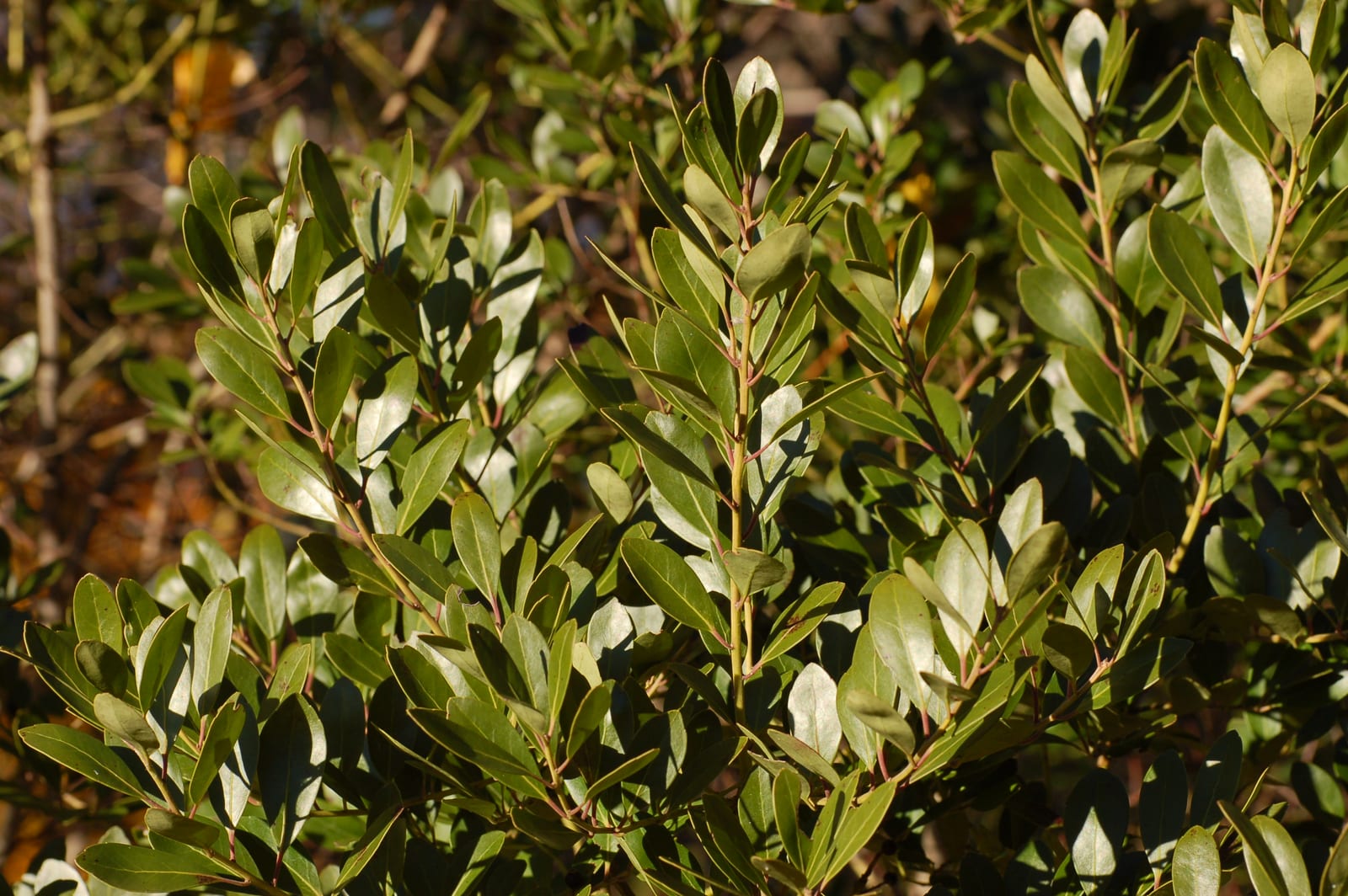 🔍 Click to enlarge
shrubperennial
Inkberry Holly
Ilex glabra
Native evergreen holly with a fine, boxwood-like texture — a durable substitute where boxwood struggles.
Quick Facts
Sun:☀️ Full Sun, ⛅ Partial Shade
Water:💧💧 Moderate
USDA Zones:Zones 4–9
Space:🌱 Small Bed, 🏡 Large Garden
Soil:Loam, Sandy, Peaty
Best Season(s):Spring, Fall
Experience Level:🌱 Beginner
Native Range:Eastern United States
Bloom Color:Small white, inconspicuous
Bloom Cycle:Late spring
Care Notes
Tolerates wet soil and part shade well. Prune to keep dense, as older plants can become leggy at the base.
Growing Details
Mature Size:5-8 ft tall, 5-8 ft wide (dwarf cultivars like 'Shamrock' and 'Compacta' stay 3-4 ft)
Growth Rate:🌿 Moderate
Zone Performance
In zone 4 and the colder end of zone 5, Inkberry can suffer winter bronzing and occasional dieback in exposed sites and benefits from a sheltered planting spot. In zones 8-9 at the warm edge, it holds evergreen color year-round but performs best with consistent moisture and light afternoon shade during peak summer heat.
Companions & Wildlife
🦌 Deer Resistance
seldom damaged
Deer occasionally browse young or stressed plants, but Inkberry is far less palatable than most broadleaf evergreens.
🐝 Pollinator Value
moderate
Small white spring flowers attract native bees and honeybees, and the plant is a larval host for the Henry's elfin butterfly in parts of its range.
Good Companions
Fothergilla — Shares Inkberry's need for acidic, moist soil and offers spring bottlebrush blooms plus fall color that Inkberry's evergreen foliage sets off.
Summersweet (Clethra) — Thrives in the same wet, acidic conditions and adds fragrant midsummer bloom while Inkberry provides structure.
Switchgrass (Panicum virgatum) — A native prairie/wetland-edge companion that tolerates the same moist soils and contrasts Inkberry's fine boxwood-like texture with airy seed heads.
Winterberry Holly — Same native wetland habitat and acidic soil preference, pairing Inkberry's evergreen mass with Winterberry's bright winter fruit display.
Troubleshooting
⚠️ Legginess and bare lower stems on older plants
Prune hard in early spring to force basal branching, or shear lightly every year starting when the plant is young to maintain density from the ground up.
⚠️ Yellowing foliage in alkaline or high-pH soil
Test soil pH and amend with elemental sulfur or use an acidifying fertilizer, since Inkberry is intolerant of alkaline conditions.
⚠️ Winter bronzing or leaf scorch in exposed northern sites
Site out of harsh winter wind or apply an anti-desiccant spray in late fall, and avoid planting in zone 4 without wind protection.
⚠️ Pet Safety
Berries are toxic to cats and dogs in quantity — can cause GI upset.
Informational only — always check with a veterinarian if you suspect your pet has eaten something it shouldn't have.