Loading…
 🔍 Click to enlarge
flowerannual
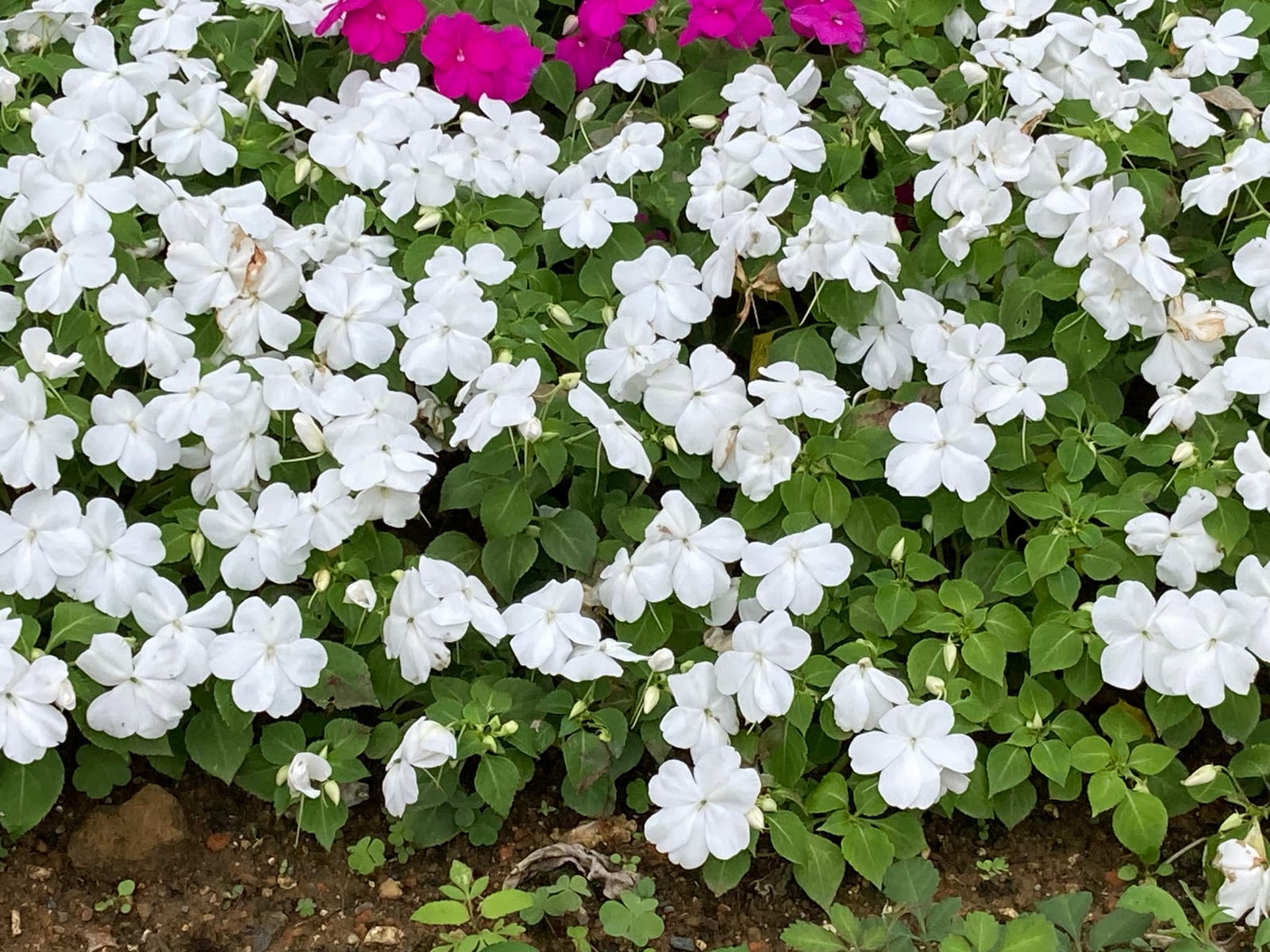
Impatiens
Impatiens walleriana
The go-to flower for shady spots. Prolific bloomer all season long.
Quick Facts
Sun:⛅ Partial Shade, 🌑 Full Shade
Water:💧💧💧 High
USDA Zones:Zones 3–11
Space:🪴 Container, 🌱 Small Bed
Soil:Loam, Peaty
Best Season(s):Spring, Summer
Experience Level:🌱 Beginner
Native Range:East Africa
Bloom Color:Pink, red, orange, purple, white
Bloom Cycle:Late spring through frost, continuous
Care Notes
Keep moist and avoid drought stress. Pinch tips for bushier growth.
Growing Details
Mature Size:6-24 in tall, 12-18 in wide
Growth Rate:🐇 Fast
Zone Performance
Grown as a warm-season annual everywhere outside the tropics, impatiens is planted after last frost from zone 3 through 11; in the hottest zones (10-11) it can persist as a short-lived perennial through mild winters, while in cooler zones a single hard frost in fall ends the season, and gardeners everywhere should watch for downy mildew, which spreads faster in humid, high-rainfall regions of the Southeast.
Companions & Wildlife
🦌 Deer Resistance
frequently damaged
Impatiens' soft, tender foliage and flowers make it a favorite deer snack, and plants are often devastated overnight in high-pressure areas.
🐝 Pollinator Value
low
Modern hybrid impatiens offer relatively little accessible nectar and are visited only occasionally by bees and hummingbirds compared to other shade annuals.
Good Companions
Fuchsia — Shares impatiens' preference for shade and consistent moisture, adding hanging, pendant blooms to the same container or bed.
Coleus — Colorful foliage complements impatiens' flowers and both thrive in the same shaded, evenly moist conditions.
Begonia — A classic shade-bed pairing with similar water needs and a long season of continuous bloom.
Ferns — Provide a textural, cooling backdrop for impatiens' bright flowers in deeply shaded beds.
Troubleshooting
⚠️ Impatiens downy mildew causing sudden collapse and leaf drop
Remove and discard affected plants immediately (do not compost) and switch to New Guinea impatiens or another shade annual in that bed for a few seasons, since the pathogen persists in soil.
⚠️ Wilting in hot, dry spells
Water deeply and consistently, especially in containers, which dry out faster than garden beds.
⚠️ Leggy, sparse growth by midsummer
Pinch stem tips back by a few inches to encourage bushier, fuller growth.
⚠️ Slug damage on young transplants
Apply iron phosphate bait or set up beer traps around new plantings.
✅ Pet Safety
Generally considered non-toxic to cats and dogs.
Informational only — always check with a veterinarian if you suspect your pet has eaten something it shouldn't have.