Loading…
 🔍 Click to enlarge
flowerperennial
Hydrangea
Hydrangea macrophylla
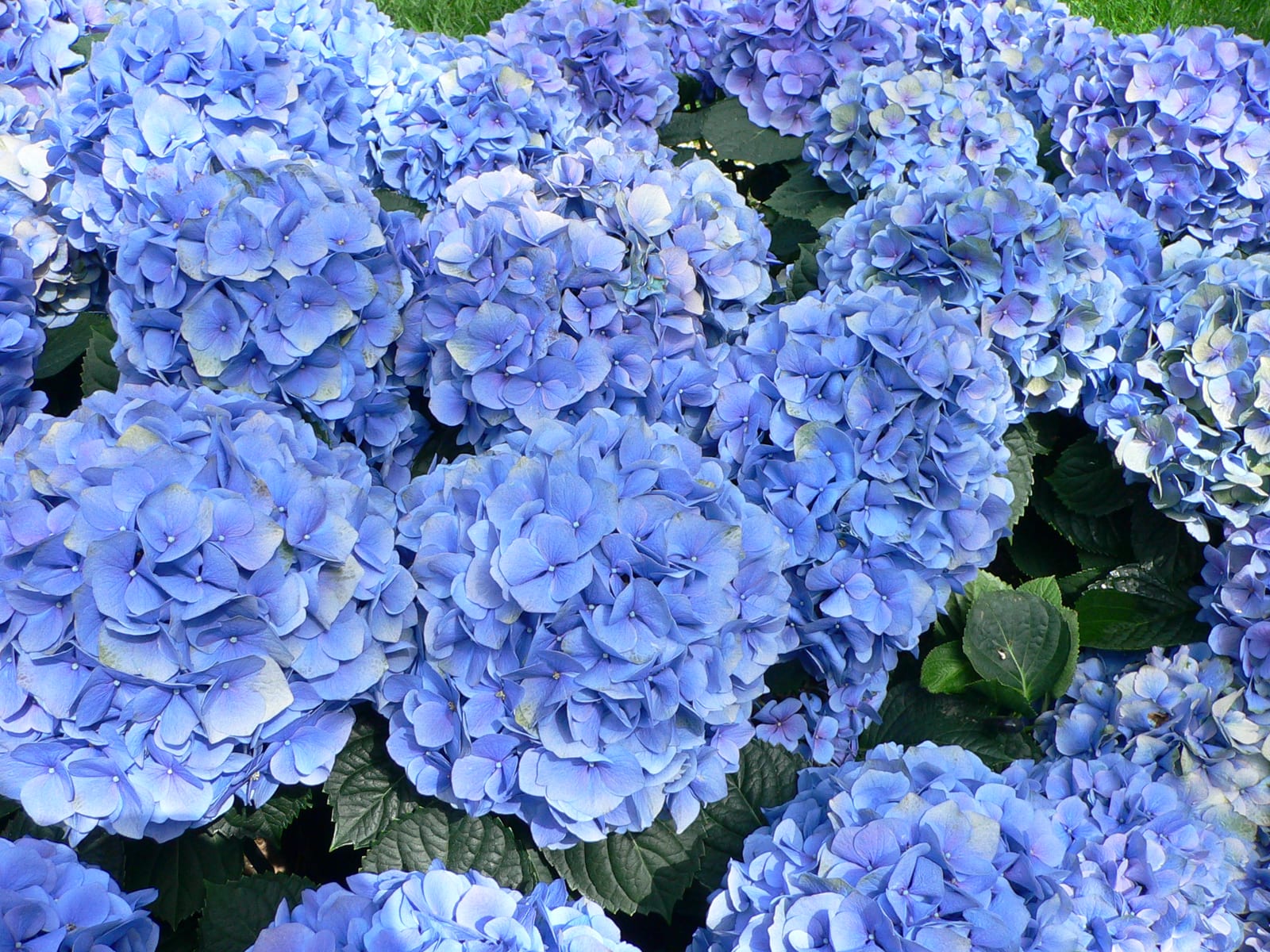
Show-stopping shrubby perennial with large, lush blooms. Soil pH affects color.
Quick Facts
Sun:⛅ Partial Shade, ☀️ Full Sun
Water:💧💧💧 High
USDA Zones:Zones 4–9
Space:🌱 Small Bed, 🏡 Large Garden
Soil:Loam, Clay
Best Season(s):Spring
Experience Level:🌿 Intermediate
Native Range:East Asia (Japan)
Bloom Color:Blue, pink, purple, or white (soil-pH dependent for many varieties)
Bloom Cycle:Early summer through fall on many varieties
Care Notes
Keep consistently moist. Prune bigleaf varieties right after flowering.
Growing Details
Mature Size:3-6 ft tall, 3-6 ft wide (variety dependent)
Growth Rate:🌿 Moderate
Zone Performance
Hydrangea macrophylla sets next year's flower buds on old wood in late summer, so in the coldest part of its range (zone 4-5) winter dieback of those buds is the most common cause of a shrub that grows but never blooms, while in the warmest zones (zone 9) plants need consistent irrigation and benefit from afternoon shade to prevent wilting and flower scorch; soil pH in any zone also determines whether blooms turn blue (acidic) or pink (alkaline).
Companions & Wildlife
🦌 Deer Resistance
frequently damaged
Deer readily browse hydrangea foliage and flower buds, often stripping plants in areas with high deer pressure unless protected.
🐝 Pollinator Value
moderate
Sterile mophead flowers offer little pollen, but lacecap and panicle types with fertile florets attract bees and butterflies.
Good Companions
Hosta — Shares the same preference for part shade and consistently moist, rich soil, filling in the ground layer beneath hydrangea's canopy.
Astilbe — Both enjoy moisture-retentive soil and partial shade, with astilbe's fine plumes contrasting hydrangea's bold mophead blooms.
Ferns — Provide textural contrast at the base of hydrangea shrubs while tolerating the same shaded, humid conditions.
Boxwood — Evergreen boxwood provides year-round structure and a formal backdrop for hydrangea's showy but seasonal blooms.
Troubleshooting
⚠️ No flowers despite healthy growth
Avoid pruning in fall or spring, which removes the old-wood buds; prune bigleaf hydrangeas only immediately after flowering, and protect buds from late frost in cold zones.
⚠️ Wilting in afternoon heat
Increase watering frequency and add mulch to conserve soil moisture; plants often perk back up in the evening.
⚠️ Powdery mildew on leaves
Improve air circulation through selective thinning and avoid overhead watering.
⚠️ Blooms are the wrong color
Lower soil pH with sulfur for blue blooms or raise it with lime for pink blooms, applied several months before bloom set.
⚠️ Pet Safety
Toxic to cats and dogs (cyanogenic glycosides in leaves/flowers) — can cause vomiting, diarrhea, lethargy.
Informational only — always check with a veterinarian if you suspect your pet has eaten something it shouldn't have.