Loading…
 🔍 Click to enlarge
shrubperennial
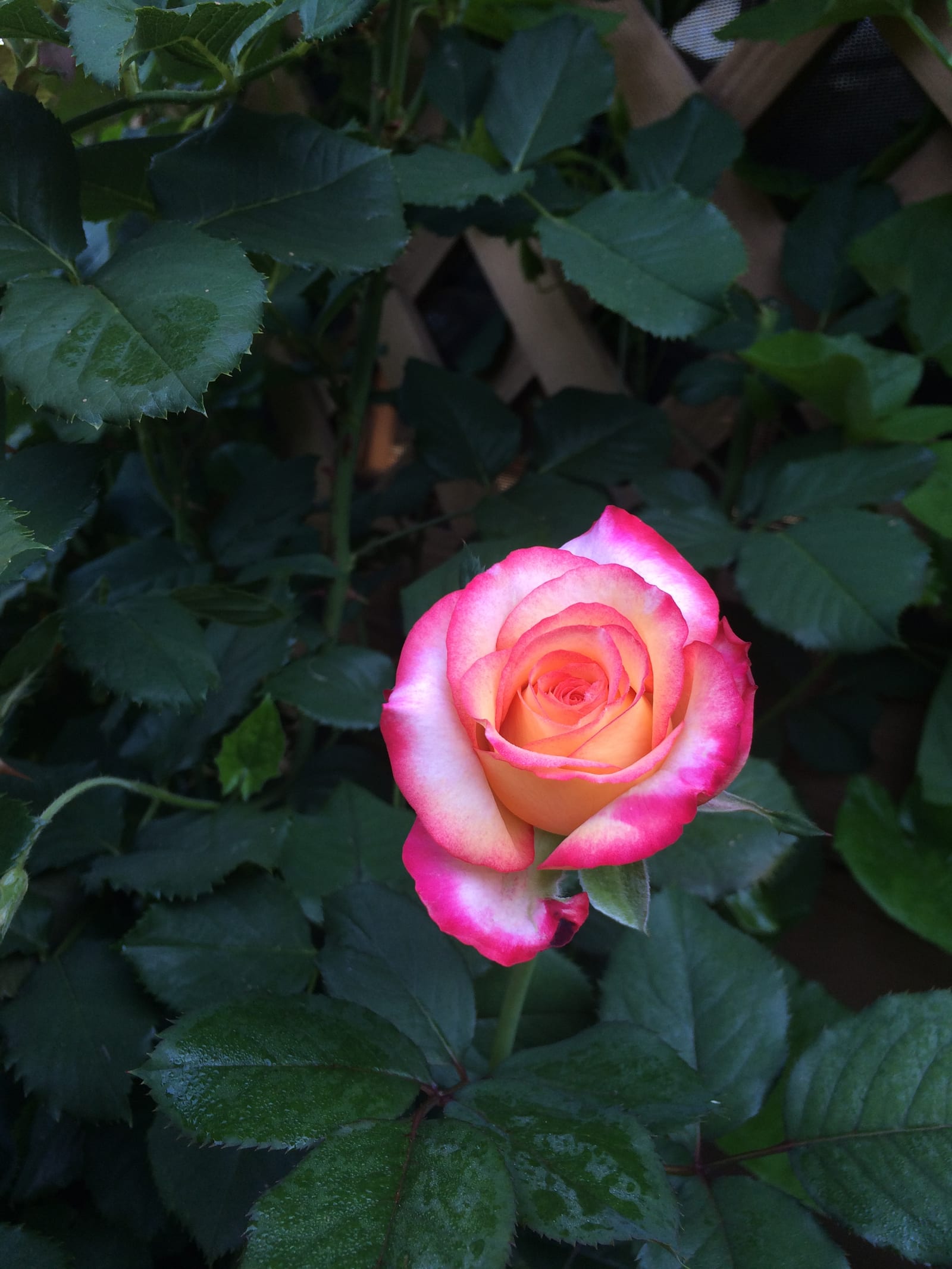
Hybrid Tea Rose
Rosa spp. (hybrid tea cultivars)
The classic large-bloom cutting rose, prized for long stems and elegant, high-centered flowers.
Quick Facts
Sun:☀️ Full Sun
Water:💧💧 Moderate
USDA Zones:Zones 5–9
Space:🪴 Container, 🌱 Small Bed
Soil:Loam, Clay, Silty
Best Season(s):Spring, Summer
Experience Level:🌿 Intermediate
Native Range:Garden hybrid (parent species from Asia, Europe & North America)
Bloom Color:Wide range — red, pink, white, yellow, orange, bicolor
Bloom Cycle:Repeat bloomer through summer, one large bloom per stem
Care Notes
Needs regular feeding, deadheading, and a proactive fungicide program to prevent black spot. Prune hard in late winter.
Growing Details
Mature Size:3-6 ft tall, 2-3 ft wide
Growth Rate:🌿 Moderate
Zone Performance
In zone 5, Hybrid Tea Roses generally need winter protection such as mounding soil or mulch over the graft union, since many cultivars are grafted onto rootstock that isn't reliably hardy on its own. In zone 9, the extended warm season allows for a longer bloom period and more flushes per year, but the high humidity typical there significantly increases blackspot and powdery mildew pressure, making a consistent fungicide program more important than in drier climates.
Companions & Wildlife
🦌 Deer Resistance
frequently damaged
Hybrid Tea Roses are among the most deer-preferred landscape plants, and buds and foliage are often stripped without fencing or repellent in high-pressure areas.
🐝 Pollinator Value
low
Heavily double, high-centered blooms have their reproductive parts largely obscured by extra petals, making pollen and nectar difficult for bees to access compared to single-flowered rose types.
Good Companions
Lavender — Shares full-sun, well-drained soil requirements and its aromatic foliage is a traditional underplanting believed to help confuse pest insects seeking roses.
Salvia (Perennial) — Blooms over a long season alongside repeat-flowering Hybrid Tea Roses and tolerates the same sunny, well-drained conditions without competing heavily for nutrients.
Catmint (Nepeta) — Softens the often bare, leggy lower stems typical of Hybrid Tea Roses while sharing identical sun and drainage needs.
Alliums — Traditional rose-garden companion whose strong scent is thought to help deter aphids, and its narrow upright form doesn't compete for space at the rose's base.
Troubleshooting
⚠️ Blackspot defoliating lower and middle foliage
Apply a proactive fungicide rotation starting at leaf-out, remove and dispose of fallen leaves, and avoid overhead watering.
⚠️ Weak, spindly growth and poor bloom production
Feed on a regular schedule through the growing season with a rose-specific or balanced fertilizer, since Hybrid Teas are heavy feeders compared to landscape shrub roses.
⚠️ Cane dieback after a hard winter
Mound soil or mulch 8-10 inches over the graft union in fall in zones 5-6, and prune back to healthy green wood in spring once new growth resumes.
✅ Pet Safety
Petals and hips are generally non-toxic to cats and dogs; thorns pose a physical hazard.
Informational only — always check with a veterinarian if you suspect your pet has eaten something it shouldn't have.
🌿 Traditional & Medicinal Use
Rose hips (the fruit) are a well-documented source of vitamin C and are traditionally used in teas — food/traditional use, not medical advice.
Informational only, not medical advice — consult a healthcare provider before using any plant medicinally.