Loading…
 🔍 Click to enlarge
bulbperennial
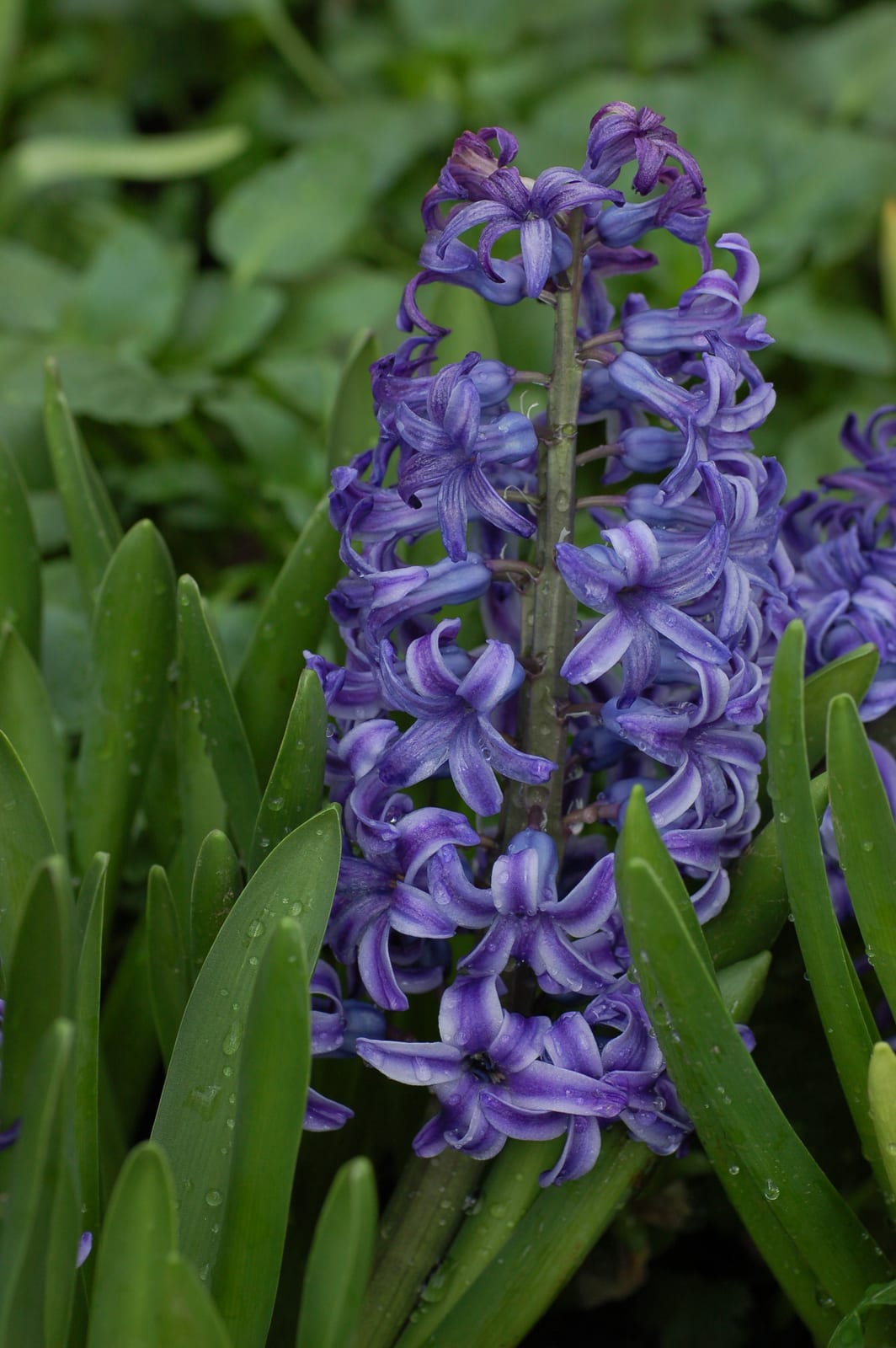
Hyacinth
Hyacinthus orientalis
Intensely fragrant spring bulb with dense flower spikes. Can be forced indoors in winter.
Quick Facts
Sun:☀️ Full Sun, ⛅ Partial Shade
Water:💧💧 Moderate
USDA Zones:Zones 4–8
Space:🪴 Container, 🌱 Small Bed, 🏡 Large Garden
Soil:Loam, Sandy, Silty
Best Season(s):Fall
Experience Level:🌱 Beginner
Native Range:Eastern Mediterranean
Bloom Color:Purple, pink, blue, white, yellow, intensely fragrant
Bloom Cycle:Early spring, one flush
Care Notes
Plant in fall, 4–6 inches deep. Excellent for containers and forcing indoors in winter.
Growing Details
Mature Size:8-12 in tall, 4-6 in spread
Growth Rate:🌿 Moderate
Zone Performance
In zone 4, hyacinth reliably returns and rebloom quality stays strong for several years thanks to consistent winter chilling. In zone 8 at the warm edge, bulbs often decline after the first year without an artificial chilling period, so gardeners there commonly refrigerate bulbs for 8-10 weeks before fall planting or treat hyacinth as a replant-each-year annual.
Companions & Wildlife
🦌 Deer Resistance
rarely damaged
Hyacinth bulbs and foliage contain oxalic acid compounds that are toxic and unpalatable, making them reliably ignored by deer and rodents.
🐝 Pollinator Value
moderate
The intensely fragrant flower spikes draw early-emerging bees and are especially attractive to queen bumblebees seeking spring nectar.
Good Companions
Grape Hyacinth — Grape hyacinth's smaller scale and similar bloom time create a layered display without competing for the same visual space.
Pansy — Cool-season pansies planted around hyacinth bulbs provide continuous color both before and after the hyacinth's shorter bloom window.
Tulip — Both are classic fall-planted bulbs with overlapping spring bloom time, commonly combined in mixed spring bulb displays.
Troubleshooting
⚠️ Bulb rot in wet spring soil
Ensure sharp drainage by planting in raised beds or amending soil with grit; avoid siting in low spots where water collects.
⚠️ Flower spikes flopping over
Plant in a location sheltered from strong wind, and avoid over-fertilizing with nitrogen, which produces weak, floppy stems.
⚠️ Declining bloom in following years
Allow foliage to die back fully before removing it, and feed with bulb fertilizer at planting and again after flowering.
⚠️ Pet Safety
Toxic to cats and dogs, most concentrated in the bulb (allergenic alkaloids) — can cause serious GI upset and skin irritation in sensitive handlers too.
Informational only — always check with a veterinarian if you suspect your pet has eaten something it shouldn't have.