Loading…
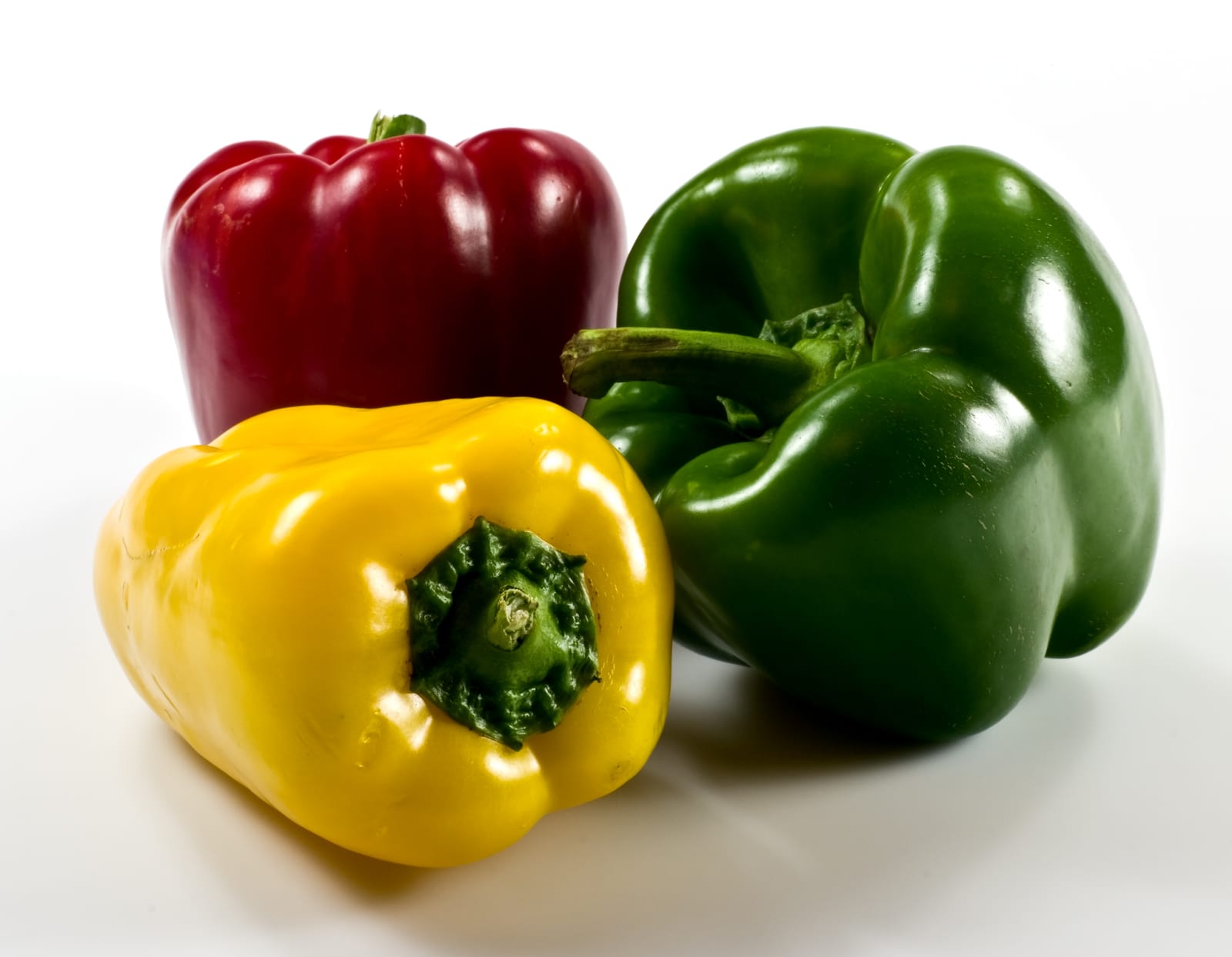 🔍 Click to enlarge
vegetableannual💧 Hydroponic-Compatible
Hot Pepper
Capsicum annuum
From mild jalapeños to fiery habaneros, hot peppers love heat and sun.
Quick Facts
Sun:☀️ Full Sun
Water:💧💧 Moderate
USDA Zones:Zones 5–11
Space:🪴 Container, 🌱 Small Bed, 🏡 Large Garden
Soil:Loam, Sandy, Silty
Best Season(s):Spring, Summer
Experience Level:🌿 Intermediate
Native Range:Central & South America
Bloom Color:Small white flowers (grown for fruit)
Bloom Cycle:Continuous through summer as fruit sets
Days to Harvest:70–100 days
Harvest Pattern:Continuous / cut-and-come-again
Care Notes
Start indoors 10 weeks before last frost. Stress slightly (reduce water) to increase heat.
💧 Hydroponic Notes
Excellent in DWC or drip systems. Compact varieties do best indoors. Needs strong light and warm temps (75–85°F). Keep pH 5.8–6.3.
Growing Details
Mature Size:18-36 in tall, 12-24 in wide
Growth Rate:🌿 Moderate
Zone Performance
At the cool edge of its range (zone 5-6), hot peppers need to be started indoors 8-10 weeks early and given a warm microclimate (black plastic mulch, wall-o-water) since fruit set stalls below 60°F nights. Toward the hot end (zone 9-11), plants perform as short-lived perennials that can overwinter with protection and often produce more intensely flavored, hotter fruit under extended heat stress.
Companions & Wildlife
🦌 Deer Resistance
seldom damaged
The capsaicin that makes hot peppers spicy to humans also makes the foliage and fruit unappealing to deer, one of the more reliably deer-resistant vegetables.
🐝 Pollinator Value
moderate
Self-pollinating but the small white or purple star-shaped flowers are visited by bumblebees and sweat bees, which improve fruit set.
Good Companions
Basil — Classic pairing — basil is reputed to help repel common pepper pests.
Troubleshooting
⚠️ Blossom drop with no fruit set
Extreme heat above 90°F or cool nights below 60°F both cause flowers to abort; provide afternoon shade during heat waves or wait out cool snaps.
⚠️ Blossom end rot on fruit
Maintain even soil moisture with mulch and consistent watering, since calcium uptake problems from irregular watering (not soil calcium deficiency) are the usual cause.
⚠️ Aphids clustering on new growth
Spray off with a strong water jet or apply insecticidal soap, and encourage ladybugs by avoiding broad-spectrum pesticides.
⚠️ Pet Safety
Capsaicin causes significant GI irritation in cats and dogs even though it's not "toxic" in the classical sense — keep pets from eating the fruit.
Informational only — always check with a veterinarian if you suspect your pet has eaten something it shouldn't have.
🌿 Traditional & Medicinal Use
Capsaicin has documented topical pain-relief uses in commercial creams — home use is culinary, not medicinal, in most cases.
Informational only, not medical advice — consult a healthcare provider before using any plant medicinally.