Loading…
 🔍 Click to enlarge
flowerperennial
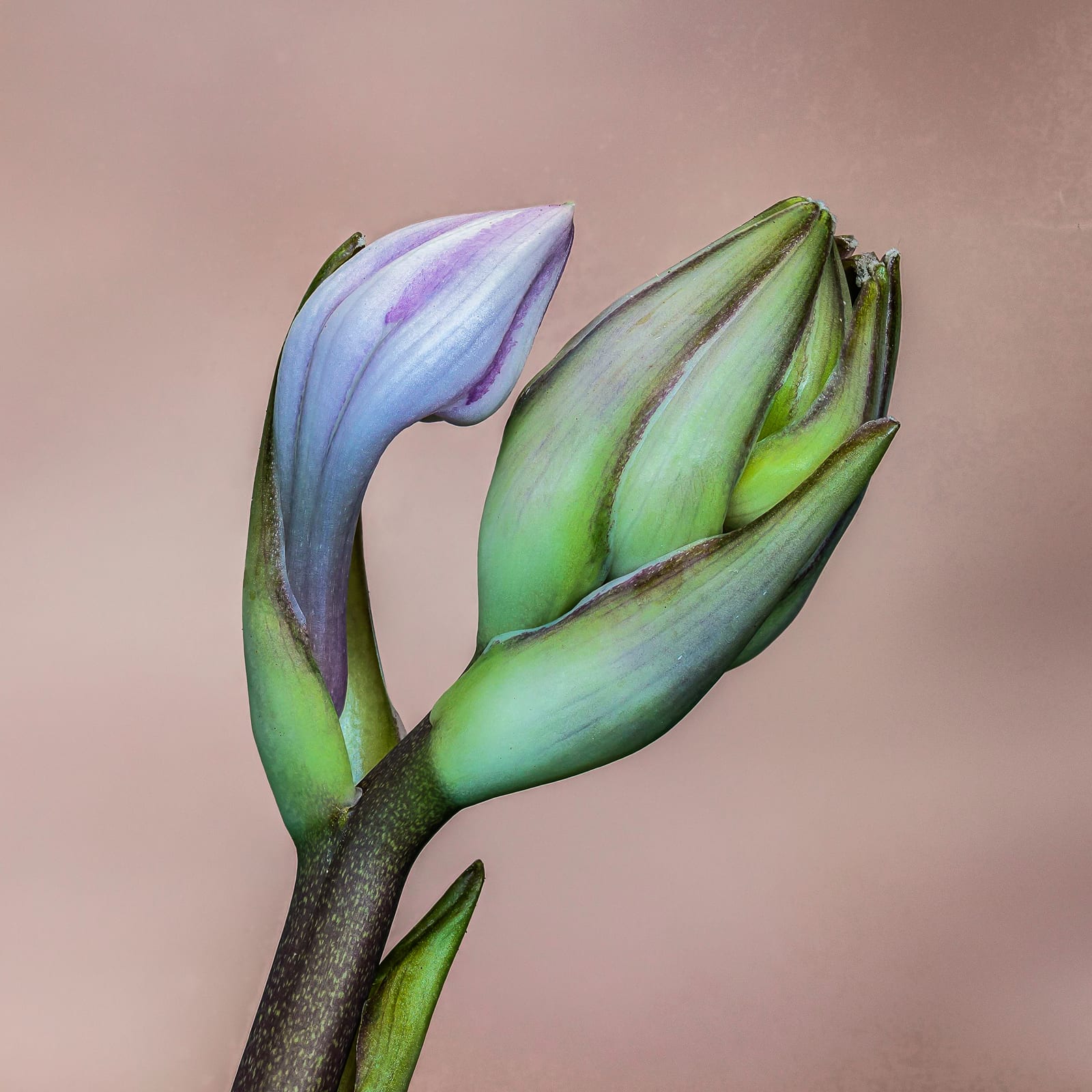
Hosta
Hosta spp.
Bold, lush foliage plant perfect for shaded areas. Huge variety of sizes.
Quick Facts
Sun:⛅ Partial Shade, 🌑 Full Shade
Water:💧💧 Moderate
USDA Zones:Zones 3–9
Space:🪴 Container, 🌱 Small Bed, 🏡 Large Garden
Soil:Loam, Clay
Best Season(s):Spring
Experience Level:🌱 Beginner
Native Range:East Asia (Japan, Korea, China)
Bloom Color:White to lavender (grown primarily for foliage)
Bloom Cycle:Mid-to-late summer, secondary to its foliage display
Care Notes
Keep moist in summer. Watch for slugs. Divide every 3–5 years.
Growing Details
Mature Size:1-3 ft tall, 1.5-4 ft wide depending on cultivar (dwarf types stay under 1 ft; giant types can exceed 4 ft)
Growth Rate:🌿 Moderate
Zone Performance
Hostas need a period of winter chill to break dormancy properly and perform best in zones 3-7; in the warmer end of their range (zones 8-9) gardeners should choose more heat-tolerant, thicker-leaved cultivars and provide consistent moisture plus afternoon shade, since thin-leaved varieties can scorch in prolonged summer heat.
Companions & Wildlife
🦌 Deer Resistance
frequently damaged
Hosta is one of the most deer-preferred perennials in the garden and stands are often browsed to the ground overnight without repellents or fencing.
🐝 Pollinator Value
moderate
The tall summer flower spikes attract hummingbirds and bumblebees, though the plant is grown primarily for foliage rather than bloom.
Good Companions
Astilbe — Thrives in the same moist, shaded conditions and adds feathery flower plumes that contrast with hosta's bold leaves.
Ferns — Shares identical shade and moisture requirements while providing fine-textured foliage contrast.
Heuchera (Coral Bells) — Low-growing colorful foliage fills in around hosta clumps and tolerates the same dappled shade.
Japanese Painted Fern — Silvery fronds echo blue-toned hosta cultivars and both prefer consistently moist, humus-rich soil.
Troubleshooting
⚠️ Slugs and snails skeletonizing leaves
Set out shallow beer traps or apply iron phosphate slug bait at the first sign of ragged holes.
⚠️ Deer or rabbit browsing
Install fencing or apply repellent sprays regularly through the growing season, reapplying after rain.
⚠️ Sun scorch on leaf edges
Move or shade plants that are getting more than a couple hours of hot afternoon sun, especially thin-leaved cultivars.
⚠️ Crown rot in poorly drained soil
Amend heavy clay with compost and avoid planting in low spots where water collects.
⚠️ Pet Safety
Toxic to cats and dogs (saponins) — causes vomiting/diarrhea; a common deer- and rabbit-favorite too, ironically.
Informational only — always check with a veterinarian if you suspect your pet has eaten something it shouldn't have.