Loading…
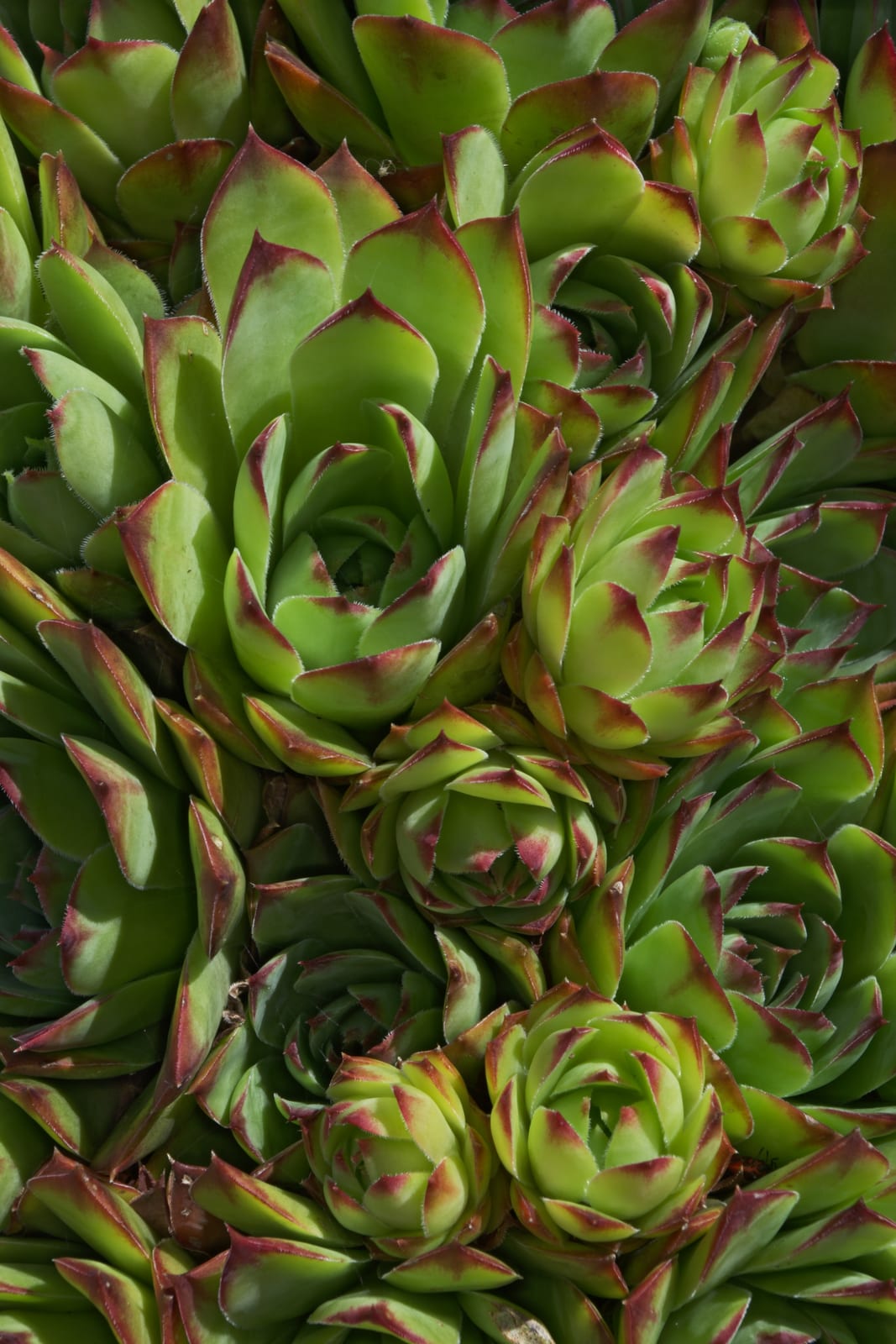 🔍 Click to enlarge
succulentperennial
Hens and Chicks
Sempervivum tectorum
Cold-hardy rosette succulent that multiplies endlessly. Perfect for rock gardens and containers.
Quick Facts
Sun:☀️ Full Sun, ⛅ Partial Shade
Water:💧 Low
USDA Zones:Zones 3–10
Space:🪴 Container, 🌱 Small Bed, 🏡 Large Garden
Soil:Sandy, Loam, Chalky, Silty
Best Season(s):Spring, Summer, Fall
Experience Level:🌱 Beginner
Native Range:Mountains of Southern Europe
Bloom Color:Pink-red star-shaped flowers on a central rosette (that rosette then dies after blooming, replaced by its "chicks")
Bloom Cycle:Summer, once per individual rosette (monocarpic)
Care Notes
Spreads on its own — thin periodically. The "hen" dies after flowering; chicks take over. Virtually indestructible.
Growing Details
Mature Size:3-6 in tall, spreading indefinitely by offsets to 12+ in wide
Growth Rate:🌿 Moderate
Zone Performance
In zone 3, hens and chicks is exceptionally cold-hardy and often the most reliable succulent for extreme northern gardens, needing only sharp drainage to survive winter. In zone 10, it struggles more with heat and humidity than cold, and benefits from afternoon shade and extra-gritty soil to prevent rot in warm, wet conditions.
Companions & Wildlife
🦌 Deer Resistance
rarely damaged
The tight, low rosettes with thick leaves are almost never browsed, making it one of the most reliable deer-proof groundcovers for rock gardens.
🐝 Pollinator Value
moderate
The 'hen' rosette sends up a star-shaped pink or red flower stalk before dying, which attracts bees and other small pollinators during its bloom.
Good Companions
Sedum (Stonecrop) — Shares identical rock-garden growing conditions and its trailing form complements the tight rosette shape of hens and chicks.
Blue Fescue — Fine grassy texture and blue-gray color contrast beautifully with the geometric rosettes in a rock garden setting.
Creeping Thyme — A low, drought-tolerant groundcover that fills gaps between rosettes while sharing the same lean, well-drained soil needs.
Echeveria — A tender rosette-forming relative that pairs well visually in mixed succulent containers, though echeveria needs winter protection where hens and chicks does not.
Troubleshooting
⚠️ Rosette rot after flowering
This is a normal life cycle event — the mother rosette naturally dies after blooming; simply remove it and let the surrounding chicks fill in.
⚠️ Rot in humid or poorly drained soil
Plant in gritty, fast-draining soil raised slightly above grade, especially important in the humid Southeast.
⚠️ Overcrowded, congested clumps
Divide and replant offsets every couple of years to maintain vigor and prevent overcrowding-related rot.
✅ Pet Safety
Generally considered non-toxic to cats and dogs.
Informational only — always check with a veterinarian if you suspect your pet has eaten something it shouldn't have.