Loading…
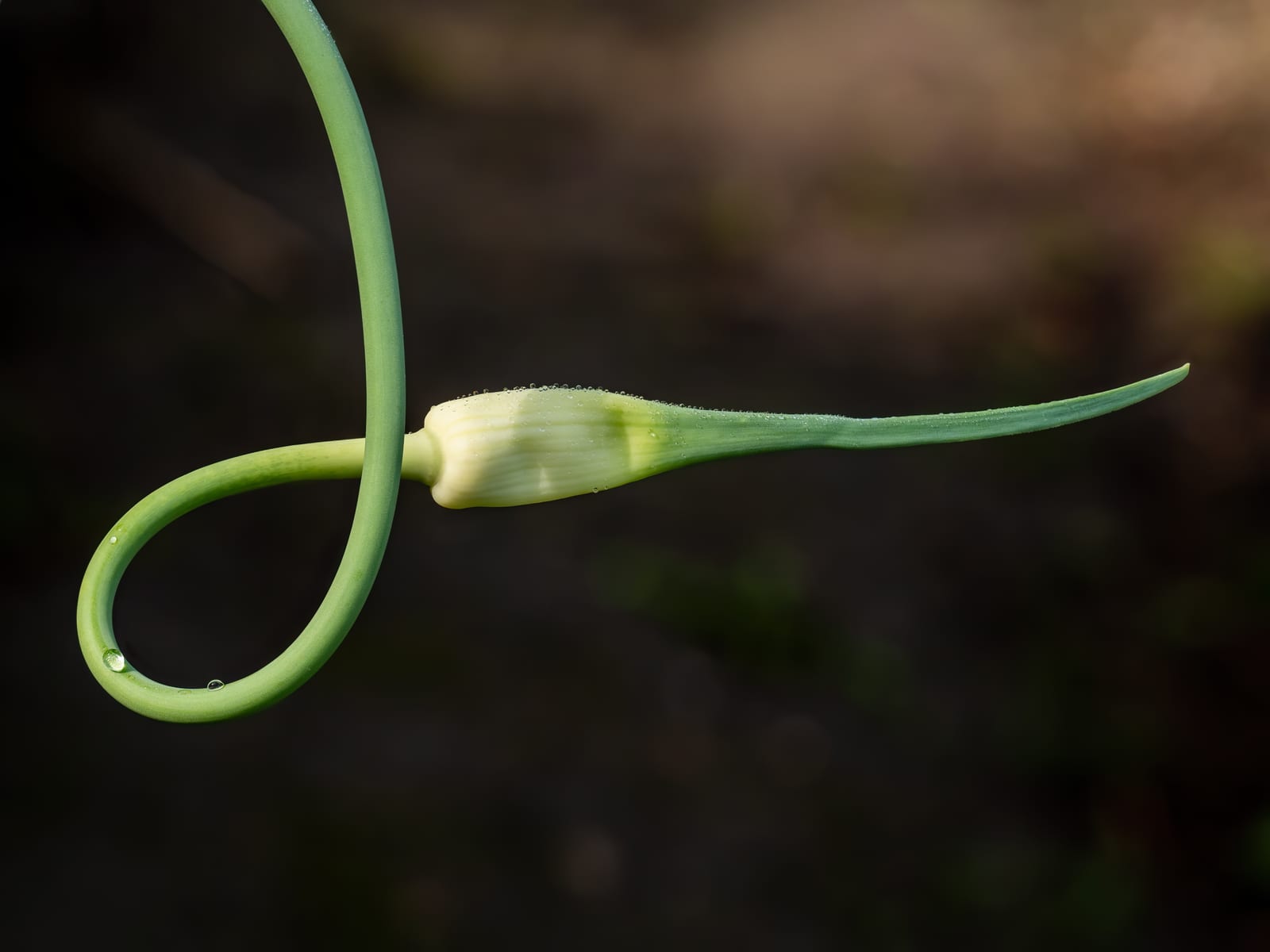 🔍 Click to enlarge
vegetableperennial
Garlic
Allium sativum
Plant in fall, harvest in summer. Homegrown garlic far surpasses store-bought.
Quick Facts
Sun:☀️ Full Sun
Water:💧 Low
USDA Zones:Zones 3–9
Space:🪴 Container, 🌱 Small Bed, 🏡 Large Garden
Soil:Loam, Sandy, Silty
Best Season(s):Fall
Experience Level:🌱 Beginner
Native Range:Central Asia
Bloom Color:White to pink umbel (hardneck varieties send up an edible flower stalk, the scape)
Bloom Cycle:Early summer scape, if hardneck variety
Days to Harvest:240–270 days (fall to summer)
Harvest Pattern:Single harvest per planting
Care Notes
Plant cloves pointed end up in fall. Mulch heavily. Cut scapes in spring for a bonus harvest.
Growing Details
Mature Size:18-24 in tall, 6-12 in wide (bulb 2-3 in diameter)
Growth Rate:🐢 Slow
Zone Performance
Hardneck garlic thrives at the cold end of its range (zones 3-5), where a real winter chilling period produces the biggest, most flavorful bulbs and pronounced scapes; softneck types perform better toward the warm edge (zones 7-9) where mild winters still meet the minimum 4-6 weeks below 40°F needed to trigger bulbing. In zones warmer than 9, garlic often fails to bulb properly without artificial pre-chilling of seed cloves.
Companions & Wildlife
🦌 Deer Resistance
rarely damaged
Garlic's sulfur compounds make both the bulb and foliage highly unpalatable to deer and are even used as a base for homemade deer repellent sprays.
🐝 Pollinator Value
low
Hardneck varieties produce scapes with flower-like bulbils rather than true nectar-rich flowers, offering limited pollinator value compared to onion's bolted blooms.
Good Companions
Tomato — Alliums' strong scent helps confuse and deter many common tomato pests.
Carrot — Allium scent genuinely reduces carrot fly pressure through scent confusion — one of the better-supported companion planting effects.
Troubleshooting
⚠️ Bulbs fail to divide into cloves
Ensure cloves experience adequate cold (40°F or below) for several weeks; in mild-winter zones, refrigerate seed cloves for 6-8 weeks before fall planting.
⚠️ White rot or basal rot in bulbs
Practice a 4-year rotation away from alliums in affected beds, since the fungus persists in soil for years and there is no in-season cure.
⚠️ Small bulbs at harvest
Cut scapes promptly on hardneck types — leaving them redirects the plant's energy into the flower stalk instead of bulb sizing.
⚠️ Pet Safety
Toxic to cats and dogs (thiosulfates, more concentrated than onion) — keep all parts of the plant away from pets.
Informational only — always check with a veterinarian if you suspect your pet has eaten something it shouldn't have.
🌿 Traditional & Medicinal Use
Traditional and some clinical evidence for cardiovascular support — see the Medicinal Garden guide for detail and cautions around blood-thinning medication interactions.
Informational only, not medical advice — consult a healthcare provider before using any plant medicinally.