Loading…
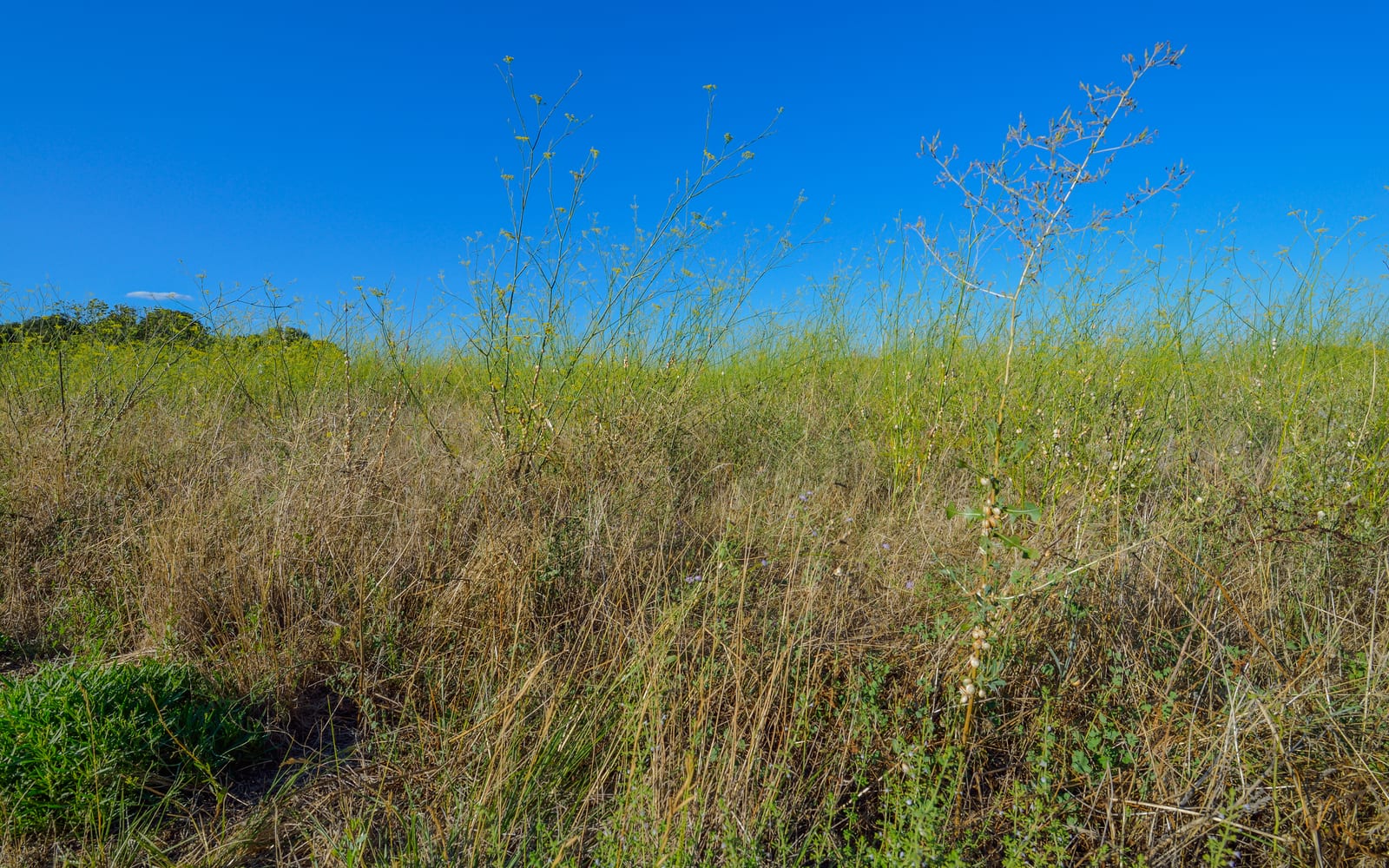 🔍 Click to enlarge
herbperennial
Fennel
Foeniculum vulgare
Anise-flavored herb with feathery foliage and edible bulb. Attracts beneficial insects.
Quick Facts
Sun:☀️ Full Sun
Water:💧💧 Moderate
USDA Zones:Zones 4–10
Space:🌱 Small Bed, 🏡 Large Garden
Soil:Loam, Sandy, Silty
Best Season(s):Spring, Summer
Experience Level:🌿 Intermediate
Native Range:Mediterranean Basin
Bloom Color:Small yellow umbels
Bloom Cycle:Midsummer
Days to Harvest:65–80 days for bulb
Harvest Pattern:Continuous / cut-and-come-again
Care Notes
Keep away from other herbs — it inhibits neighbors. Both foliage and bulb are edible. Self-sows freely.
Growing Details
Mature Size:4-6 ft tall (bulb types 2-3 ft), 1.5-2 ft wide
Growth Rate:🐇 Fast
Zone Performance
Fennel is grown as an annual bulbing vegetable across most of its Zone 4-10 range but can behave as a true short-lived perennial in the mildest Zone 8-10 winters, where the crown may survive and resprout. In cooler Zone 4-6 gardens, bulb-type fennel needs to be started early or grown in the cool days of fall, since bulbing is triggered by shortening days and stalls out in high summer heat.
Companions & Wildlife
🦌 Deer Resistance
seldom damaged
Fennel's strong anise scent generally discourages deer browsing, though its lush foliage may occasionally be sampled.
🐝 Pollinator Value
high
Fennel's large yellow flower umbels are outstanding for beneficial insects, drawing hoverflies, parasitic wasps, ladybugs, and are one of the top host plants for black and anise swallowtail butterfly caterpillars.
Troubleshooting
⚠️ Bulbs failing to swell or splitting
Keep soil consistently moist during bulb formation and mound soil up around the base ('blanching') 2-3 weeks before harvest.
⚠️ Suppressing growth of neighboring vegetables and herbs
Fennel releases allelopathic compounds that inhibit many garden plants — grow it in its own isolated bed well away from tomatoes, beans, and most other herbs.
⚠️ Premature bolting to flower before bulbing
Sow bulb-type fennel in late summer for a fall harvest in warm climates, since long summer days and heat trigger early flowering.
⚠️ Parsleyworm and other swallowtail caterpillars defoliating plants
Tolerate feeding to support butterfly populations, or plant extra fennel specifically as a host plant separate from bulbs intended for harvest.
✅ Pet Safety
Non-toxic to cats and dogs in normal amounts.
Informational only — always check with a veterinarian if you suspect your pet has eaten something it shouldn't have.
🌿 Traditional & Medicinal Use
Traditional digestive folk use — note fennel is allelopathic to many garden neighbors (see the Companion Planting Checker).
Informational only, not medical advice — consult a healthcare provider before using any plant medicinally.