Loading…
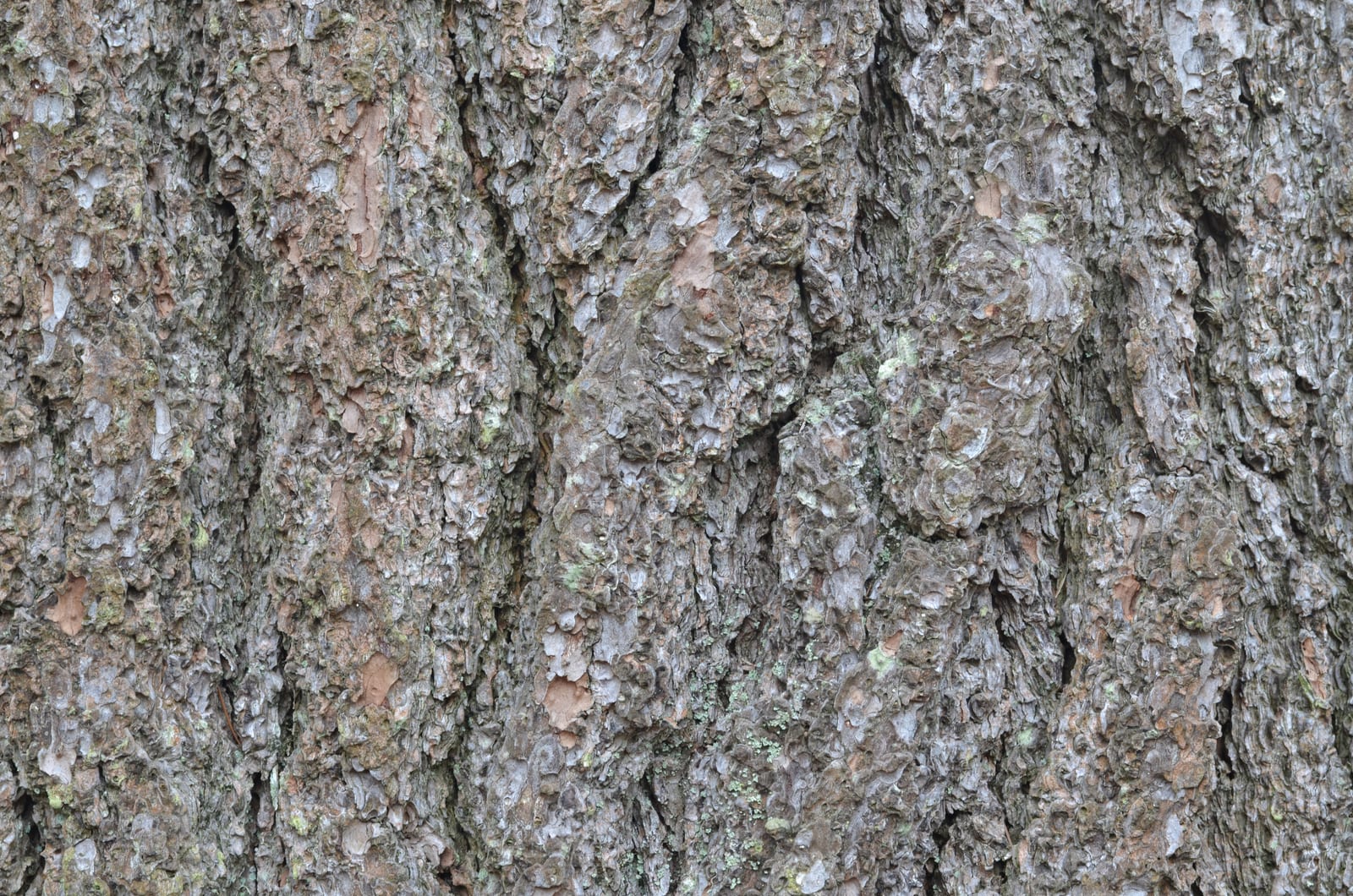 🔍 Click to enlarge
treeperennial
Eastern White Pine
Pinus strobus
Fast-growing native conifer with soft, blue-green needles. A classic windbreak and privacy tree across the Northeast and Midwest.
Quick Facts
Sun:☀️ Full Sun, ⛅ Partial Shade
Water:💧💧 Moderate
USDA Zones:Zones 3–8
Space:🏡 Large Garden
Soil:Loam, Sandy, Silty
Best Season(s):Spring, Fall
Experience Level:🌱 Beginner
Native Range:Eastern North America
Bloom Cycle:Inconspicuous spring cones, not grown for bloom
Care Notes
Avoid heavy road-salt exposure. Needs room to spread — mature trees reach 50–80 ft. Minimal pruning required.
Growing Details
Mature Size:50-80 ft tall, 20-40 ft wide
Growth Rate:🐇 Fast
Zone Performance
At the cold edge (Zone 3), white pine is fully hardy and grows vigorously in the cool climates it evolved in; at the warm edge (Zone 8), it is far more stressed by heat, humidity, and drought, becoming more susceptible to white pine weevil and root rot in poorly drained southern soils. It performs best overall in the cooler two-thirds of its listed range.
Companions & Wildlife
🦌 Deer Resistance
frequently damaged
White pine is a preferred winter browse for deer, and young trees often need protection until they grow above browse height.
🐝 Pollinator Value
low
Wind-pollinated with no showy blooms, though the dense evergreen structure offers valuable winter cover and nesting sites for birds.
Good Companions
Mountain Laurel — Native understory shrub that tolerates the acidic soil and light shade found beneath a white pine canopy.
Rhododendron — Shares the acidic, well-drained soil preference and benefits from the dappled shade under mature white pines.
Lowbush Blueberry — Thrives in the same acidic, sandy soils typical of white pine stands, echoing a classic Northeastern woodland pairing.
Wintergreen — Low native groundcover adapted to the acidic duff layer beneath established pines.
Troubleshooting
⚠️ White pine weevil killing the leader shoot
Prune out and destroy the infested leader in late spring before adults emerge, and train a side branch to become the new leader.
⚠️ Road-salt damage (browning needles near roads/driveways)
Avoid planting within 50-60 ft of heavily salted roads or use burlap screening to block salt spray in winter.
⚠️ White pine blister rust
Avoid planting near currant or gooseberry bushes (alternate hosts) and prune out cankered branches promptly.
✅ Pet Safety
Needles are generally non-toxic but can cause mild GI irritation if chewed in quantity; sharp needles are more of a physical hazard than a chemical one.
Informational only — always check with a veterinarian if you suspect your pet has eaten something it shouldn't have.