Loading…
 🔍 Click to enlarge
treeperennial
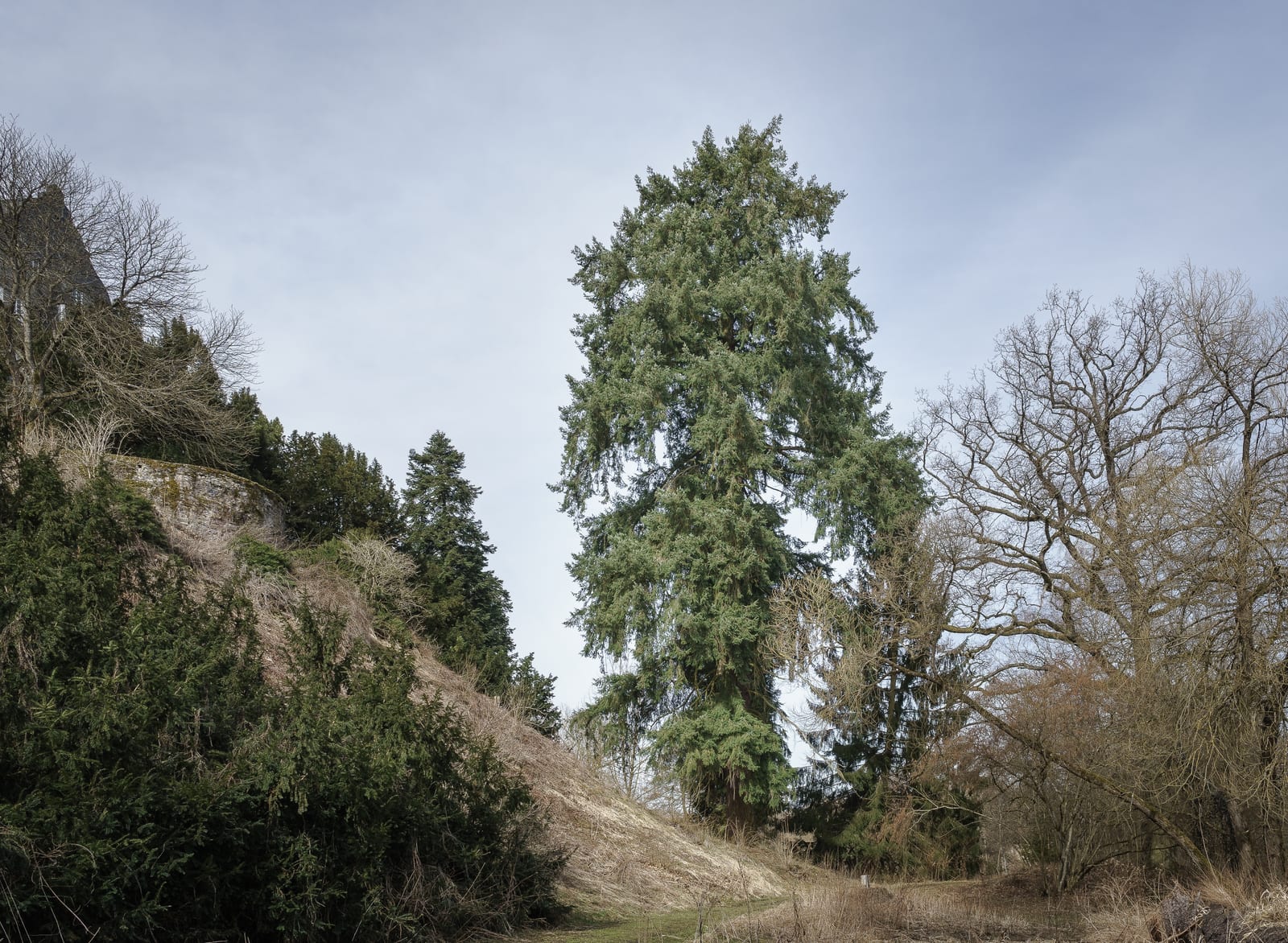
Douglas Fir
Pseudotsuga menziesii
Towering evergreen conifer prized for its soft needles and classic Christmas-tree shape. Thrives especially in the Pacific Northwest.
Quick Facts
Sun:☀️ Full Sun
Water:💧💧 Moderate
USDA Zones:Zones 4–6
Space:🏡 Large Garden
Soil:Loam, Silty
Best Season(s):Spring, Fall
Experience Level:🌿 Intermediate
Native Range:Pacific Northwest & Rocky Mountains
Bloom Cycle:Inconspicuous spring cones, not grown for bloom
Care Notes
Prefers cool, humid climates and consistent moisture. Not well suited to hot, dry, or alkaline-soil regions.
Growing Details
Mature Size:40-80 ft tall (up to 200+ ft in native Pacific NW forests), 12-20 ft wide in landscape settings
Growth Rate:🐇 Fast
Zone Performance
At the cold edge (Zone 4), Douglas fir needs a sheltered site with reliable snow cover, as interior/Rocky Mountain seed sources are more cold-hardy than coastal strains; at the warm edge (Zone 6), it struggles significantly with heat and drought stress outside of its preferred cool, humid Pacific Northwest climate, making it a poor choice for hot summer regions even within its nominal zone range. Seed source (coastal vs. interior) matters as much as zone number for this species.
Companions & Wildlife
🦌 Deer Resistance
occasionally damaged
Deer will browse young seedlings and low branches, particularly in winter, but generally avoid established trees.
🐝 Pollinator Value
low
Wind-pollinated with no showy flowers, though it provides significant cover and nesting habitat, and its seeds are an important food source for squirrels and birds.
Good Companions
Rhododendron — Shares the cool, moist, acidic conditions Douglas fir prefers and thrives in the light shade at the canopy edge.
Sword Fern — Native Pacific Northwest understory plant that fills the shaded, moist ground beneath Douglas fir in its natural companion habitat.
Salal — Native evergreen groundcover that naturally co-occurs with Douglas fir in Pacific coastal forests and tolerates the same acidic, humus-rich soil.
Troubleshooting
⚠️ Drought stress in hot, dry summers
Provide supplemental deep watering during establishment and avoid planting in regions with hot, arid summers outside its preferred climate.
⚠️ Swiss needle cast (yellowing, premature needle drop)
Improve air circulation and avoid overhead irrigation, especially in humid coastal climates where the fungus thrives.
⚠️ Douglas fir bark beetle in stressed trees
Keep trees well-watered and vigorous, since beetles primarily attack drought- or damage-stressed trees; remove severely infested trees promptly.
✅ Pet Safety
Generally considered non-toxic, though needles can cause mild GI upset if ingested in quantity.
Informational only — always check with a veterinarian if you suspect your pet has eaten something it shouldn't have.