Loading…
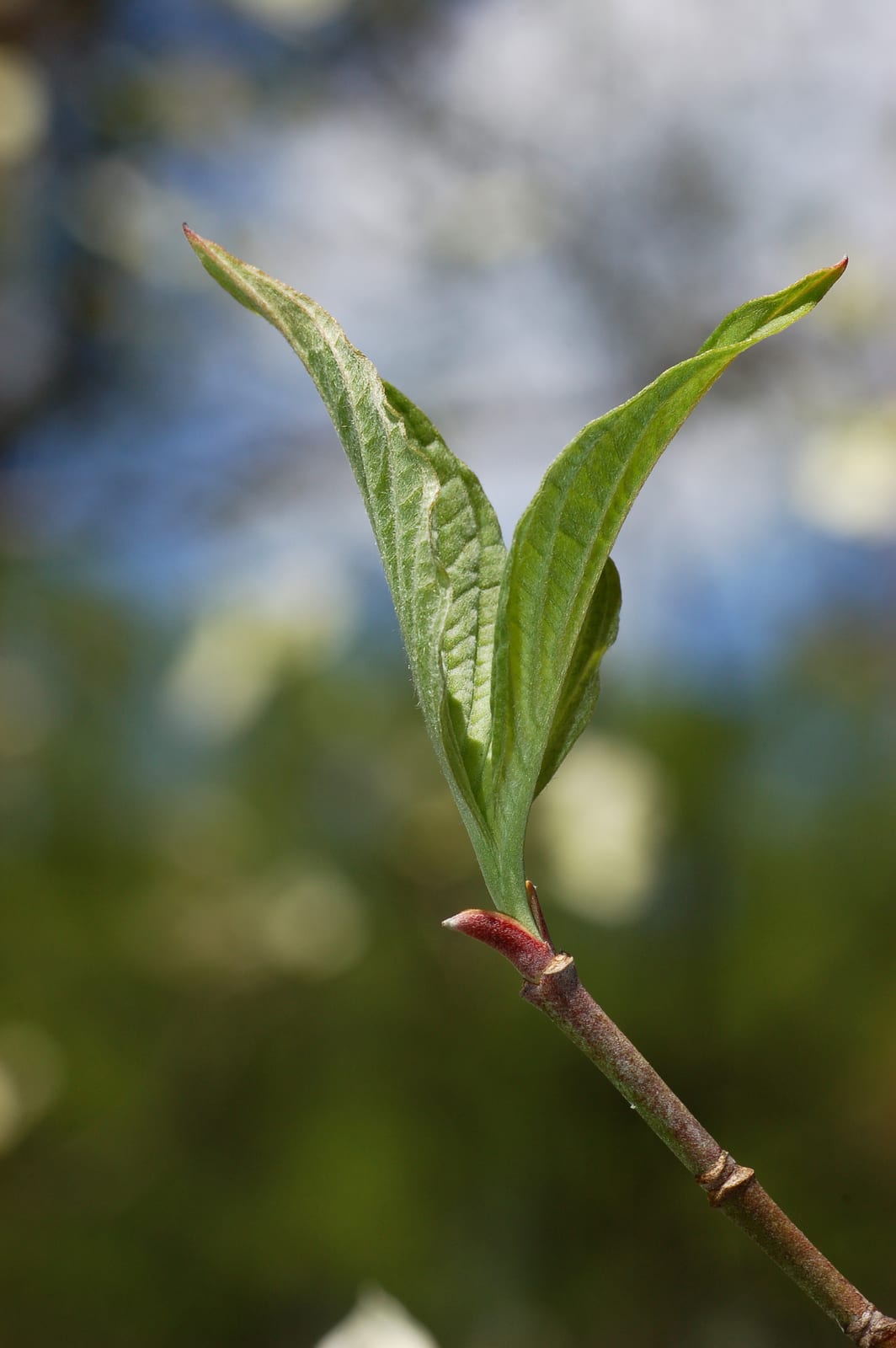 🔍 Click to enlarge
treeperennial
Dogwood
Cornus florida
Beautiful understory tree with showy spring bracts and vibrant fall berries.
Quick Facts
Sun:⛅ Partial Shade, ☀️ Full Sun
Water:💧💧 Moderate
USDA Zones:Zones 5–9
Space:🌱 Small Bed, 🏡 Large Garden
Soil:Loam, Silty, Peaty
Best Season(s):Spring, Fall
Experience Level:🌿 Intermediate
Native Range:Eastern North America
Bloom Color:White or pink bracts
Bloom Cycle:Early-to-mid spring, one dramatic flush
Care Notes
Prefers dappled shade. Keep mulched and moist. Avoid damage to bark from mowers.
Growing Details
Mature Size:15-30 ft tall, 15-30 ft wide
Growth Rate:🐢 Slow
Zone Performance
At the cold edge (Zone 5), dogwood needs a site protected from harsh winter wind and late frost to avoid flower bud damage; at the warm edge (Zone 9), it struggles with heat and humidity stress and is far more prone to powdery mildew and anthracnose, so afternoon shade becomes essential. Populations in the Deep South are increasingly being planted as the hybrid 'Appalachian Spring' for anthracnose resistance.
Companions & Wildlife
🦌 Deer Resistance
occasionally damaged
Deer will browse young saplings and low branches, especially in winter when other browse is scarce.
🐝 Pollinator Value
high
Spring bracts attract native bees and butterflies, and the red fall berries are a critical food source for over 35 bird species including cedar waxwings.
Good Companions
Azalea — Both are classic understory companions sharing acidic, humus-rich soil and a spring bloom season that overlaps beautifully.
Fern (native woodland species) — Fills the dappled shade beneath the canopy and tolerates the same root zone competition.
Virginia Bluebells — Native spring ephemeral that blooms alongside the dogwood's bracts in the same woodland-edge habitat.
Redbud — Traditional companion tree pairing pink redbud blooms against white dogwood bracts in the same understory light conditions.
Troubleshooting
⚠️ Dogwood anthracnose (leaf spots, twig dieback)
Prune out infected twigs, improve air circulation, and avoid overhead watering; consider resistant cultivars like 'Appalachian Spring' in high-pressure areas.
⚠️ Powdery mildew on leaves
Space trees for airflow and select mildew-resistant cultivars such as 'Cherokee Brave'.
⚠️ Trunk damage from lawn mowers/string trimmers
Maintain a mulch ring 3-4 ft wide around the base to keep equipment away from the thin bark.
✅ Pet Safety
Generally considered non-toxic to cats and dogs; berries may cause mild stomach upset if eaten in quantity.
Informational only — always check with a veterinarian if you suspect your pet has eaten something it shouldn't have.