Loading…
 🔍 Click to enlarge
flowerperennial
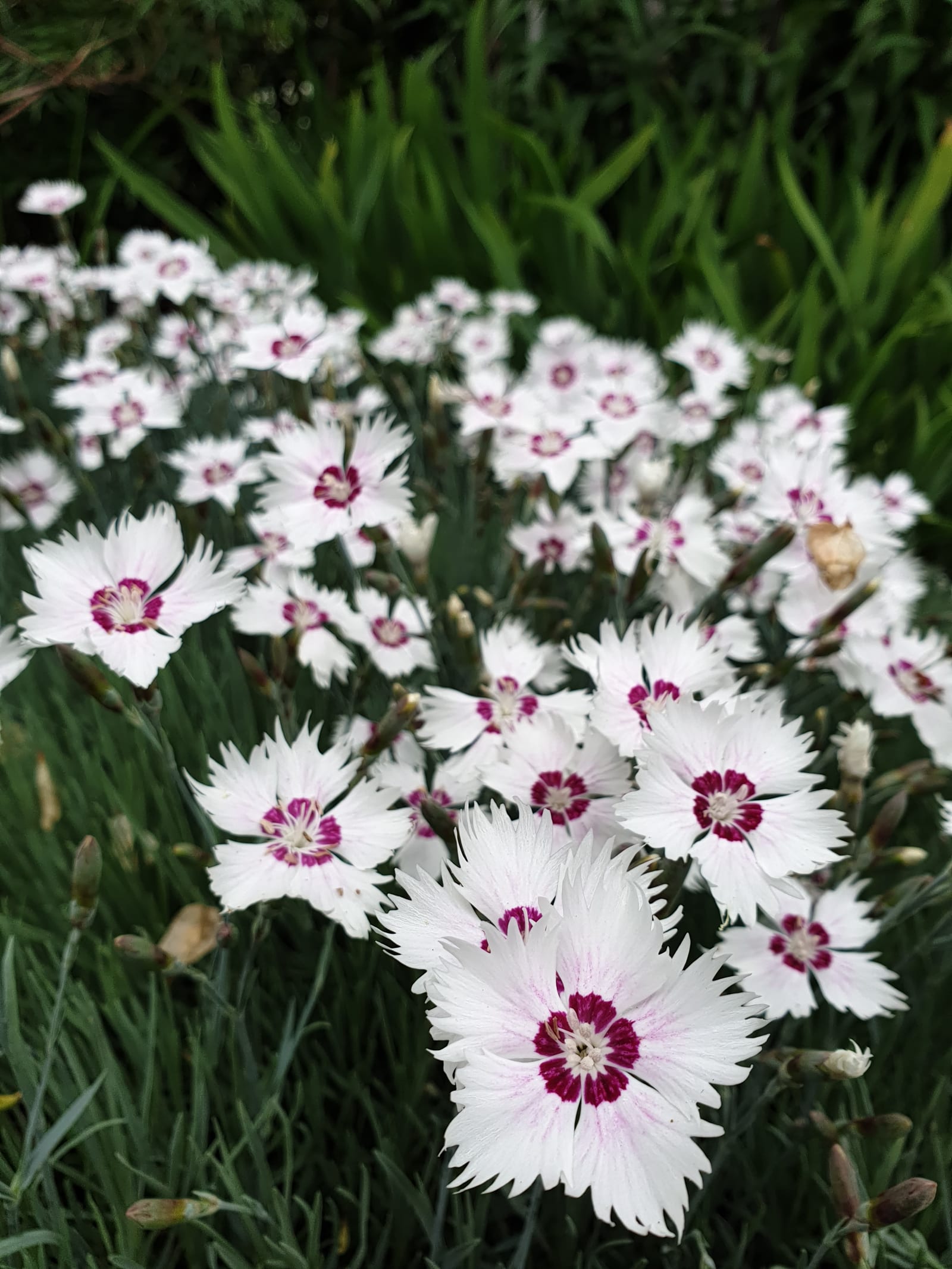
Dianthus (Pinks)
Dianthus plumarius
Clove-scented flowers with fringed petals in pinks, reds, and white. Excellent border plant.
Quick Facts
Sun:☀️ Full Sun
Water:💧💧 Moderate
USDA Zones:Zones 3–9
Space:🪴 Container, 🌱 Small Bed
Soil:Loam, Sandy, Chalky
Best Season(s):Spring, Fall
Experience Level:🌱 Beginner
Native Range:Southern Europe
Bloom Color:Pink, white, red, bicolor, often fringed
Bloom Cycle:Late spring to early summer, with some repeat bloom
Care Notes
Deadhead spent blooms promptly. Needs excellent drainage. Shear by half after main flush.
Growing Details
Mature Size:6-12 in tall, 12-18 in wide
Growth Rate:🌿 Moderate
Zone Performance
In the coldest zones (3-4), dianthus benefits from a light winter mulch and well-drained siting to prevent crown rot from alternating freeze-thaw cycles. In the warmest zones (8-9), the main challenge shifts from cold hardiness to summer heat and humidity, which can cause foliage rot, so excellent drainage and avoiding overhead watering become more important than winter protection there.
Companions & Wildlife
🦌 Deer Resistance
seldom damaged
The narrow, grass-like, slightly bitter foliage is not a preferred deer food, though flowers may occasionally be nibbled.
🐝 Pollinator Value
moderate
The fringed, clove-scented flowers attract butterflies and long-tongued bees able to reach the narrow floral tube.
Good Companions
Lavender — Shares dianthus's need for sharp drainage, full sun, and low fertility, forming a classic fragrant cottage-garden edging combination.
Salvia — Upright salvia spikes add vertical contrast to dianthus's low mounding habit while requiring the same lean, well-drained soil.
Yarrow — Both tolerate poor soil and drought once established, making them reliable low-water border companions.
Roses — A traditional pairing — dianthus's clove scent and low mounding habit complement rose bushes while sharing similar sun and drainage requirements.
Troubleshooting
⚠️ Center of the clump dies out, leaving a bare patch
Divide and replant the healthy outer sections every 2-3 years, since dianthus clumps naturally decline in the center over time.
⚠️ Crown or root rot in heavy or wet soil
Plant in raised beds or amend soil with coarse grit or sand to ensure sharp, fast drainage.
⚠️ Fewer blooms after the initial flush
Shear plants back by about half after the main bloom to encourage a second, lighter flush later in the season.
⚠️ Pet Safety
Mildly toxic to cats and dogs — can cause mild GI upset and dermatitis.
Informational only — always check with a veterinarian if you suspect your pet has eaten something it shouldn't have.