Loading…
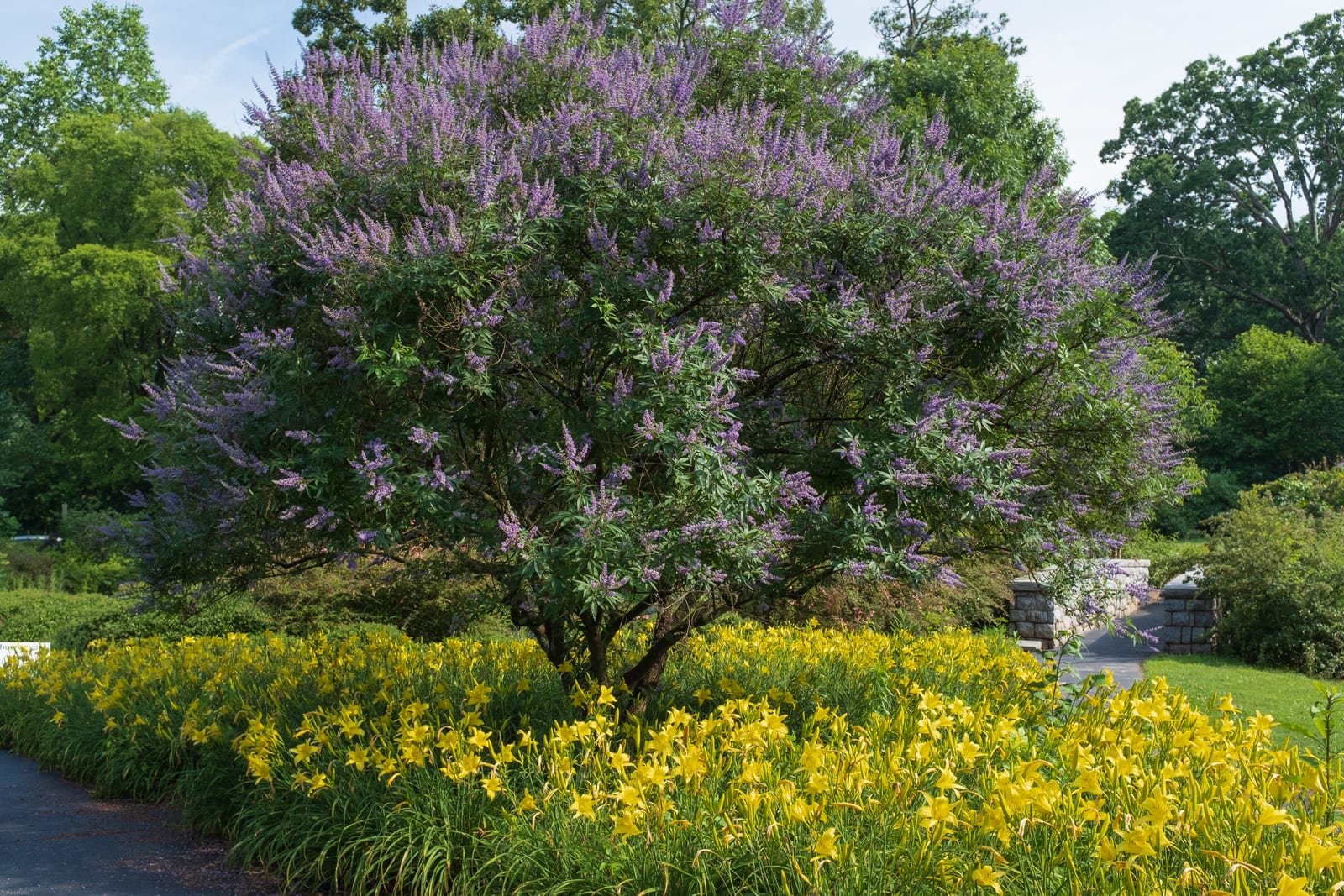 🔍 Click to enlarge
flowerperennial
Daylily
Hemerocallis spp.
Tough, adaptable perennial with trumpet-shaped blooms. Nearly indestructible.
Quick Facts
Sun:☀️ Full Sun, ⛅ Partial Shade
Water:💧💧 Moderate
USDA Zones:Zones 3–9
Space:🌱 Small Bed, 🏡 Large Garden
Soil:Loam, Clay, Sandy, Silty
Best Season(s):Spring, Fall
Experience Level:🌱 Beginner
Native Range:East Asia
Bloom Color:Yellow, orange, red, pink, purple, bicolor
Bloom Cycle:Each bloom lasts one day; the plant flowers over several weeks in summer
Care Notes
Each bloom lasts one day, but plants produce many buds. Divide clumps every 3–4 years.
Growing Details
Mature Size:1.5-3 ft tall (foliage), flower scapes to 3-4 ft; 1.5-3 ft wide clumps
Growth Rate:🐇 Fast
Zone Performance
Daylilies are exceptionally adaptable and reliably hardy from zone 3 through 9, but chilling requirements vary by cultivar group — dormant types need real winter cold to perform their best and can struggle in zone 9, while evergreen and semi-evergreen types are bred for milder climates and may suffer foliage dieback in the coldest end of the range (zone 3) without winter mulch.
Companions & Wildlife
🦌 Deer Resistance
frequently damaged
Daylily flower buds and foliage are a preferred deer food, and plants in high-pressure areas are often stripped of buds before they can open.
🐝 Pollinator Value
moderate
Attracts bumblebees and hummingbirds, especially to older, more open-throated cultivars, though heavily ruffled or double modern hybrids offer less accessible nectar.
Good Companions
Russian Sage — Provides airy vertical contrast to daylily's strappy foliage while sharing the same tough, drought-tolerant, full-sun requirements.
Catmint (Nepeta) — Its mounding blue-purple flowers fill the gap at the base of daylily clumps and blooms over a similarly long season.
Ornamental Grasses — Shares daylily's rugged adaptability to varied soils while adding contrasting fine texture and movement.
Black-Eyed Susan — Both are nearly indestructible, low-maintenance perennials that bloom together in a classic gold-and-orange summer combination.
Troubleshooting
⚠️ Daylily rust causing orange pustules on leaves
Remove and destroy infected foliage and choose rust-resistant cultivars where the disease is prevalent.
⚠️ Fewer blooms after several years
Divide overcrowded clumps every 3-4 years in early spring or fall to restore vigor and flowering.
⚠️ Aphids clustering on flower buds
Spray off with a strong stream of water or introduce beneficial insects like ladybugs.
⚠️ Deer stripping buds before bloom
Apply deer repellent regularly through bud formation or protect prized clumps with temporary fencing.
⚠️ Pet Safety
Highly toxic to cats specifically (can cause acute kidney failure) — considered safe-ish around dogs but best avoided entirely if cats are present.
Informational only — always check with a veterinarian if you suspect your pet has eaten something it shouldn't have.