Loading…
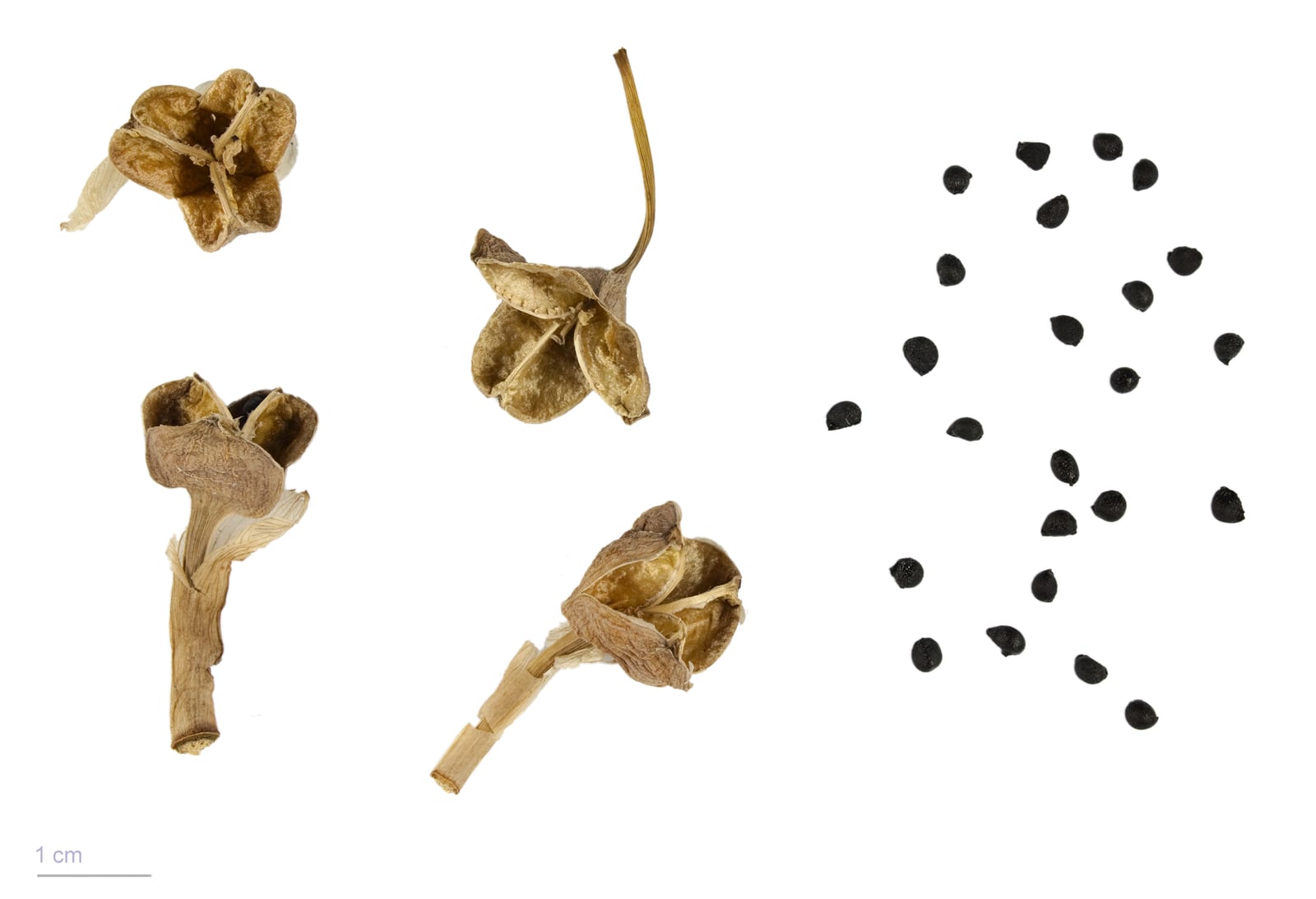 🔍 Click to enlarge
bulbperennial
Daffodil
Narcissus pseudonarcissus
Cheerful, deer-resistant spring bulb. Naturalizes easily and multiplies year after year.
Quick Facts
Sun:☀️ Full Sun, ⛅ Partial Shade
Water:💧💧 Moderate
USDA Zones:Zones 3–9
Space:🪴 Container, 🌱 Small Bed, 🏡 Large Garden
Soil:Loam, Sandy, Silty, Clay
Best Season(s):Fall
Experience Level:🌱 Beginner
Native Range:Western Europe
Bloom Color:Yellow, white, orange, bicolor
Bloom Cycle:Early spring, one flush
Care Notes
Plant in fall. Deadhead spent blooms but leave foliage to recharge bulbs. Deer and rodent resistant.
Growing Details
Mature Size:12-18 in tall, 6 in spread
Growth Rate:🌿 Moderate
Zone Performance
In zone 3, daffodils are fully cold-hardy and naturalize readily, spreading into large drifts over the years without any special winter protection. In zone 9, most daffodil varieties struggle to rebloom because winters rarely provide the sustained chill the bulb needs, so gardeners there should select warm-climate cultivars bred for low-chill requirements or treat them as one-season plantings.
Companions & Wildlife
🦌 Deer Resistance
rarely damaged
All parts of the daffodil contain lycorine, a toxic alkaloid that makes it one of the most reliably deer- and rodent-proof spring bulbs available.
🐝 Pollinator Value
low
Provides some early-season nectar for emerging bumblebee queens and honeybees on warm late-winter days, though nectar volume is modest.
Good Companions
Tulip — Interplanting daffodils around tulip drifts helps protect the more vulnerable tulip bulbs since deer and rodents avoid the toxic daffodil bulbs nearby.
Hosta — Hosta leaves expand just as daffodil foliage is dying back, camouflaging the yellowing leaves that must be left in place.
Creeping Phlox — Low, spreading phlox blooms at the same time and covers bare ground around daffodil stems without competing for light.
Troubleshooting
⚠️ Bulbs flowering less each year ('blindness')
Divide congested clumps every 3-5 years after foliage yellows, and avoid cutting foliage back before it fully dies down.
⚠️ Basal rot in wet soil
Plant in well-drained soil or raised beds, since daffodil bulbs are prone to rot in areas with poor drainage or heavy summer irrigation.
⚠️ Narcissus bulb fly damage (soft, hollow bulbs)
Mound soil over the neck of the bulb after foliage dies back to block the fly's egg-laying access, and discard any visibly hollowed bulbs.
⚠️ Pet Safety
Toxic to cats and dogs, most concentrated in the bulb (lycorine) — can cause serious vomiting and, in large amounts, more severe effects; deer- and rodent-proof for the same reason.
Informational only — always check with a veterinarian if you suspect your pet has eaten something it shouldn't have.