Loading…
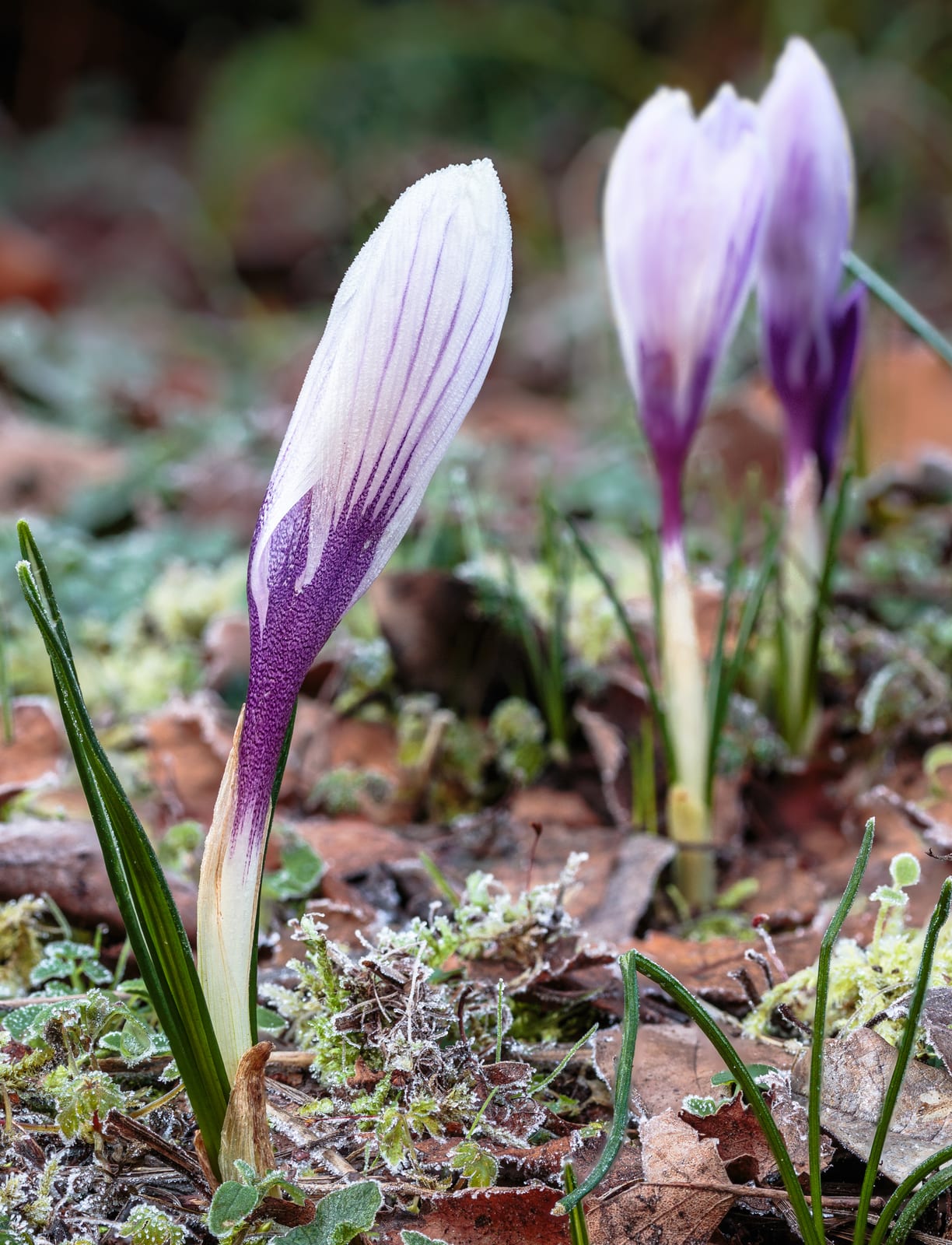 🔍 Click to enlarge
bulbperennial
Crocus
Crocus vernus
One of the first flowers to emerge in late winter or early spring. Naturalizes beautifully in lawns.
Quick Facts
Sun:☀️ Full Sun, ⛅ Partial Shade
Water:💧💧 Moderate
USDA Zones:Zones 3–8
Space:🪴 Container, 🌱 Small Bed, 🏡 Large Garden
Soil:Loam, Sandy, Silty
Best Season(s):Fall
Experience Level:🌱 Beginner
Native Range:Central & Southern Europe
Bloom Color:Purple, yellow, white — often the very first bloom of the year
Bloom Cycle:Very early spring, sometimes blooming through late snow
Care Notes
Plant in fall, 3–4 inches deep. Allow foliage to die back naturally. Plant in drifts for best effect.
Growing Details
Mature Size:3-6 in tall, 2-3 in spread
Growth Rate:🌿 Moderate
Zone Performance
In zone 3, crocus emerges reliably even through late snow cover, often blooming within days of snowmelt due to its extreme cold hardiness. In zone 8 at the warm edge, crocus still performs well but tends to bloom earlier and finish faster as temperatures warm quickly, giving a shorter overall display window than in cooler zones.
Companions & Wildlife
🦌 Deer Resistance
occasionally damaged
Crocus corms and flowers are frequently dug up and eaten by squirrels, chipmunks, and voles, and deer will graze the emerging flowers, though foliage is less preferred.
🐝 Pollinator Value
high
One of the most critical early-spring nectar and pollen sources for honeybees and native bees emerging from winter dormancy, when few other flowers are available.
Good Companions
Snowdrop — Both are among the earliest bloomers, planted together to create an extended late-winter-through-early-spring flowering succession.
Daffodil — Daffodil's deer-resistant reputation and later bloom time complement crocus, which is more vulnerable to squirrel and rodent digging.
Creeping Thyme — Low, mat-forming thyme fills lawn or bed gaps around naturalized crocus without shading out the small blooms.
Troubleshooting
⚠️ Corms dug up and eaten by squirrels or chipmunks
Lay chicken wire flat over the planting area at soil level after planting, or interplant with daffodils, which rodents avoid.
⚠️ Flowers appearing but foliage removed by rabbits or deer
Apply repellent spray in late winter as shoots emerge, when browsing pressure is highest.
⚠️ Declining bloom in naturalized lawn plantings
Delay mowing until crocus foliage has fully yellowed and died back, since premature mowing prevents the corm from recharging for next year.
⚠️ Pet Safety
Spring-blooming crocus is mildly toxic; note that fall-blooming "autumn crocus" (Colchicum) is a DIFFERENT, far more dangerous plant despite the shared common name — do not confuse the two.
Informational only — always check with a veterinarian if you suspect your pet has eaten something it shouldn't have.