Loading…
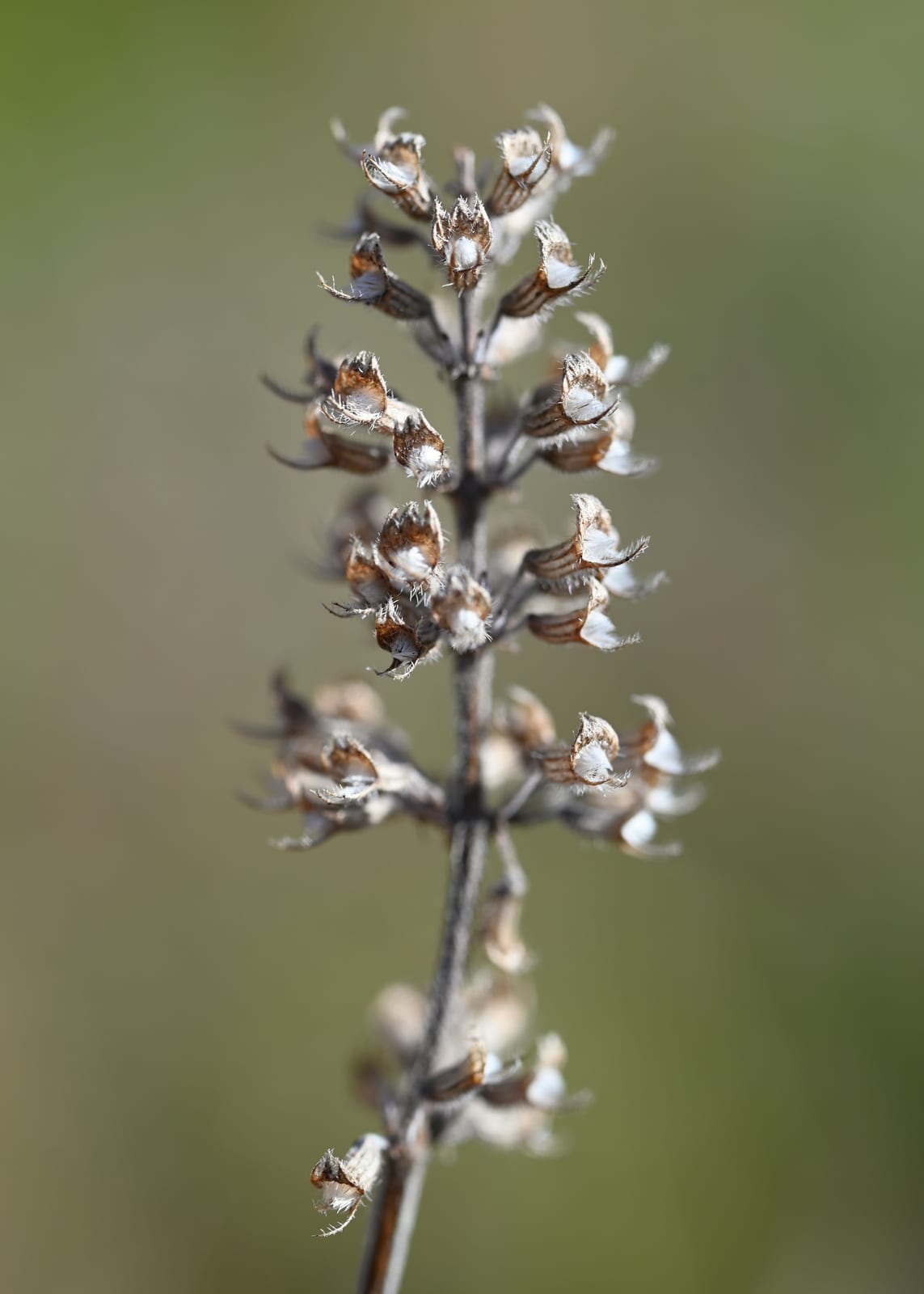 🔍 Click to enlarge
groundcoverperennial
Creeping Thyme
Thymus serpyllum
Fragrant, walkable ground cover that releases its scent when stepped on. Tiny pink flowers.
Quick Facts
Sun:☀️ Full Sun
Water:💧 Low
USDA Zones:Zones 4–9
Space:🌱 Small Bed, 🏡 Large Garden
Soil:Loam, Sandy, Chalky, Silty
Best Season(s):Spring, Summer
Experience Level:🌱 Beginner
Native Range:Europe
Bloom Color:Pink-purple, forms a fragrant flowering carpet
Bloom Cycle:Early-to-mid summer
Harvest Pattern:Continuous / cut-and-come-again
Care Notes
Mow or shear after flowering. Tolerates light foot traffic. Great between stepping stones.
Growing Details
Mature Size:2-4 in tall, 12-18 in wide (spreading mat)
Growth Rate:🌿 Moderate
Zone Performance
At the cold edge (Zone 4) Creeping Thyme needs excellent winter drainage, since wet, poorly drained soil combined with freezing temperatures causes crown rot more often than cold alone. At the warm edge (Zone 9) it can struggle with high humidity and prefers a gravelly or rocky planting site with good air circulation to prevent fungal issues in muggy summer conditions.
Companions & Wildlife
🦌 Deer Resistance
rarely damaged
The strongly aromatic foliage of Creeping Thyme is highly effective at repelling deer, which avoid herbs with pungent essential oils.
🐝 Pollinator Value
high
The tiny pink flowers are a magnet for bees, especially honeybees and native bees, and are also visited by small butterflies during the summer bloom period.
Good Companions
Creeping Phlox — Both form low, sun-loving mats in well-drained soil and bloom in complementary shades, ideal for a tapestry effect between stepping stones.
Lavender — Shares the same dry, sunny, well-drained conditions and fragrant foliage, both classic Mediterranean-style rock garden and pathway plants.
Sedum (stonecrop) — Tolerates identical lean, dry, sunny sites and adds succulent texture and later bloom time to a Creeping Thyme groundcover planting.
Yarrow (Achillea) — A tough, drought-tolerant perennial that thrives in the same full-sun, well-drained soil, providing taller flower interest above the thyme's low mat.
Troubleshooting
⚠️ Bare or woody patches in the center
Shear lightly after flowering each year and divide or replant every 3-4 years, since Creeping Thyme becomes woody and thin with age if not periodically rejuvenated.
⚠️ Root or crown rot
Plant in lean, gravelly, well-drained soil and avoid overwatering, since this Mediterranean herb is highly susceptible to rot in heavy or waterlogged soil.
⚠️ Weak growth in shade or rich soil
Relocate to full sun in leaner soil, since overly fertile soil or insufficient light produces sparse, floppy growth and weak fragrance.
⚠️ Slow to fill in when planted from small plugs
Space plants 8-12 inches apart and top-dress lightly with sand or fine gravel to encourage rooting along stems as it spreads.
✅ Pet Safety
Non-toxic to cats and dogs — a culinary-adjacent herb.
Informational only — always check with a veterinarian if you suspect your pet has eaten something it shouldn't have.
🌿 Traditional & Medicinal Use
Same traditional respiratory folk use as culinary thyme, though the creeping ornamental type is grown mainly as a groundcover — see the Medicinal Herb Garden guide.
Informational only, not medical advice — consult a healthcare provider before using any plant medicinally.