Loading…
 🔍 Click to enlarge
flowerannual
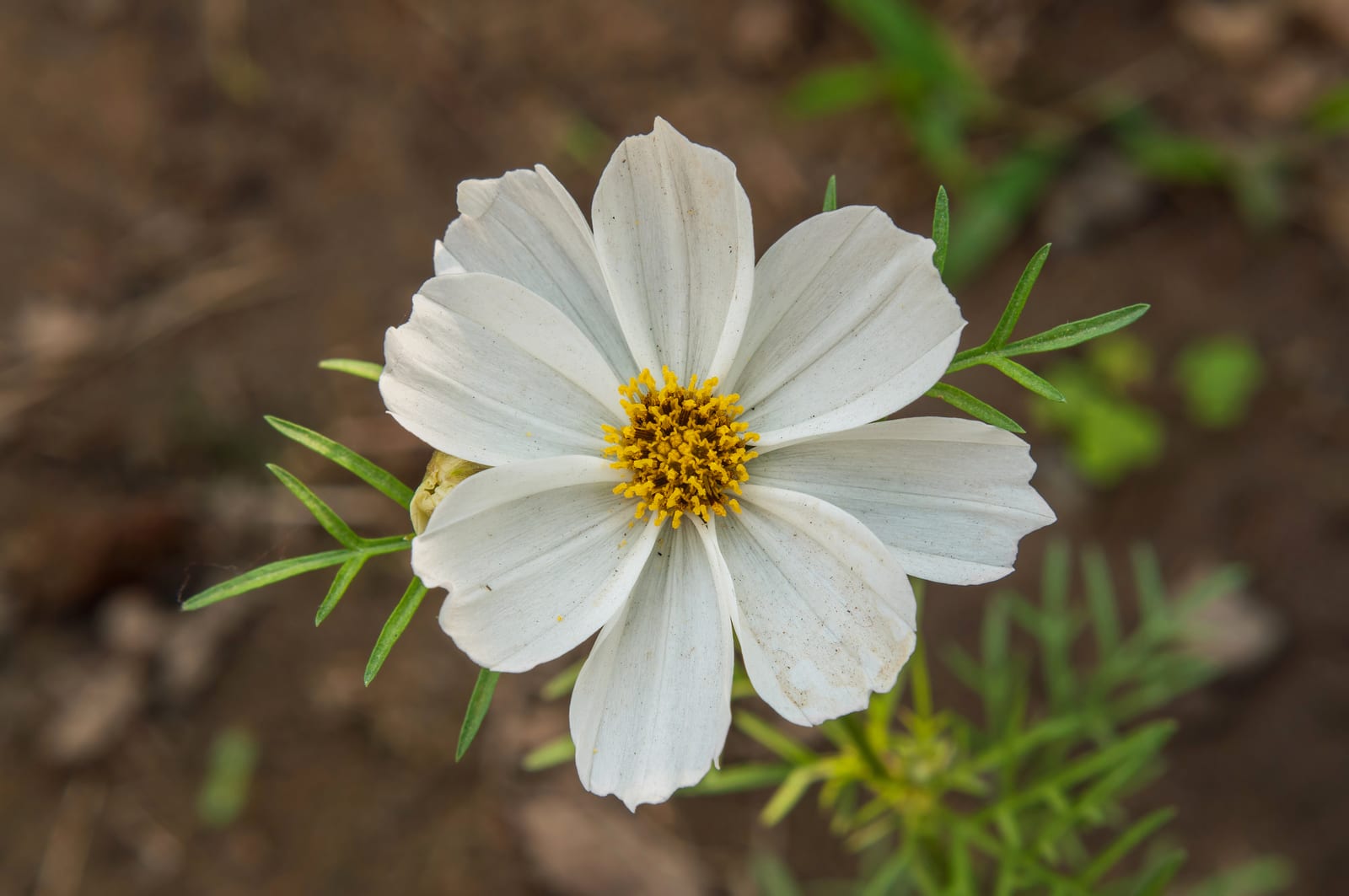
Cosmos
Cosmos bipinnatus
Airy, daisy-like blooms on tall stems. Thrives in poor soil with little care.
Quick Facts
Sun:☀️ Full Sun
Water:💧 Low
USDA Zones:Zones 3–11
Space:🌱 Small Bed, 🏡 Large Garden
Soil:Sandy, Loam
Best Season(s):Spring, Summer
Experience Level:🌱 Beginner
Native Range:Mexico
Bloom Color:Pink, white, magenta, orange (C. sulphureus)
Bloom Cycle:Summer through frost, continuous
Care Notes
Too-rich soil reduces blooming. Deadhead for continuous flowers through frost.
Growing Details
Mature Size:2-4 ft tall, 1.5-2 ft wide
Growth Rate:🐇 Fast
Zone Performance
Cosmos is grown as an easy warm-season annual from zone 3 through 11, direct sown after last frost; the key difference across zones is soil fertility management, since rich garden soil (more common where gardeners heavily amend beds regardless of zone) causes excessive foliage and few flowers, while the lean, sandy soils more typical of hot southern zones actually favor cosmos' best bloom performance.
Companions & Wildlife
🦌 Deer Resistance
seldom damaged
The delicate, fern-like foliage is not a preferred deer food, though isolated browsing can occur in high-pressure areas.
🐝 Pollinator Value
high
An excellent nectar source for bees, and its open, single flowers are particularly attractive to butterflies including swallowtails and painted ladies.
Good Companions
Zinnia — Both thrive in poor, dry soil and full sun, providing a long-blooming, low-maintenance cutting garden pairing.
Sunflower — Cosmos' airy, fine-textured foliage softens the bold, heavy presence of sunflowers planted nearby.
Dill — Both self-sow readily and attract the same beneficial insects, including parasitic wasps that help control garden pests.
Ornamental Grasses — Shares cosmos' preference for lean soil and full sun while adding movement and contrasting fine texture.
Troubleshooting
⚠️ Lots of foliage but few flowers
Avoid fertilizing or planting in overly rich soil — cosmos blooms best when slightly stressed in lean, well-drained soil.
⚠️ Plants flopping over in wind or after rain
Choose shorter cultivars in windy sites, or stake and cluster plants together so they support one another.
⚠️ Aster yellows causing distorted growth
Remove and destroy infected plants promptly, since the disease is spread by leafhoppers and cannot be cured.
⚠️ Self-sown seedlings becoming weedy the following year
Deadhead most spent blooms before they set seed, leaving only a few for controlled reseeding.
✅ Pet Safety
Non-toxic to cats and dogs.
Informational only — always check with a veterinarian if you suspect your pet has eaten something it shouldn't have.