Loading…
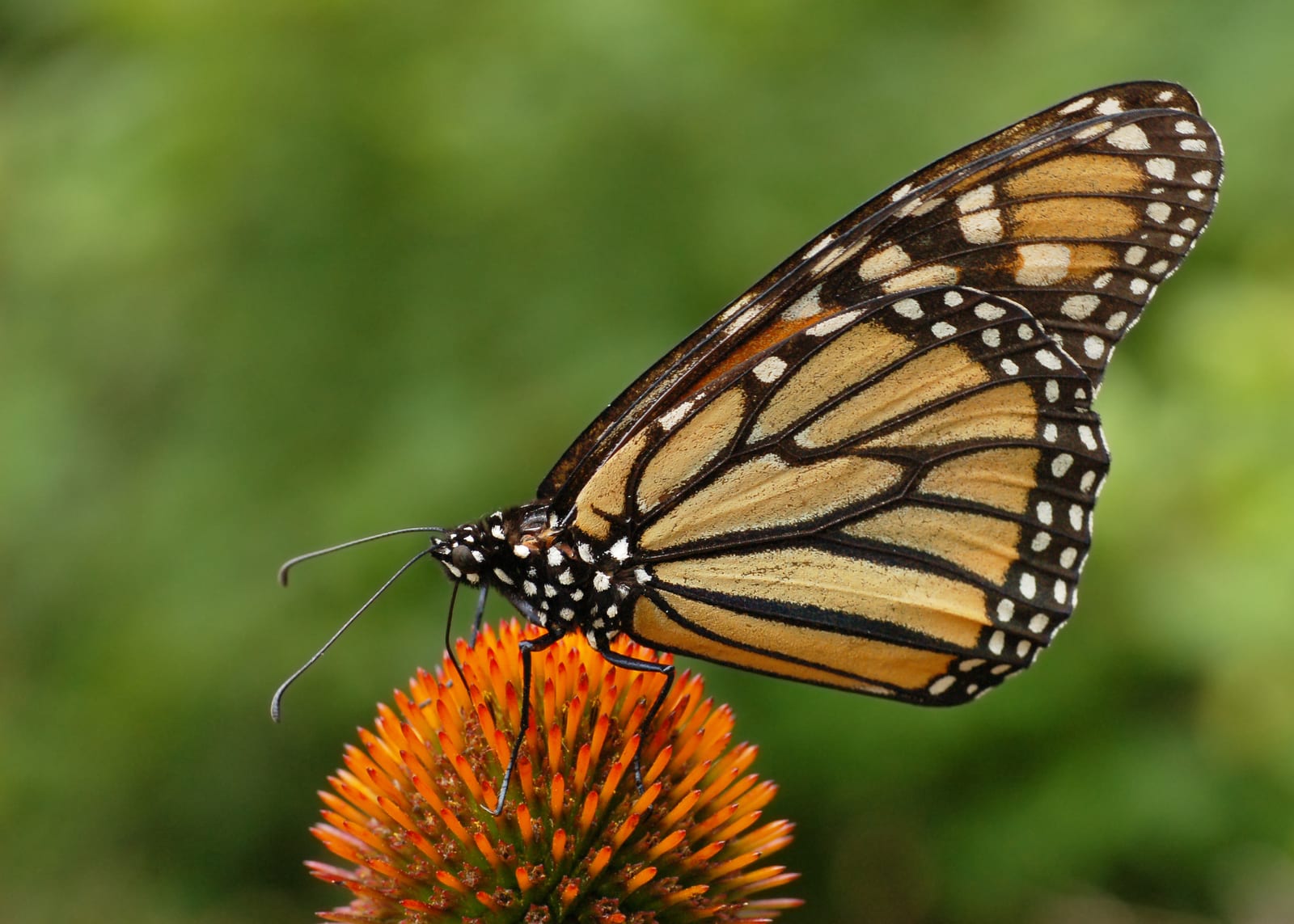 🔍 Click to enlarge
flowerperennial
Purple Coneflower (Echinacea)
Echinacea purpurea
Stunning native perennial with medicinal roots. Attracts butterflies and birds.
Quick Facts
Sun:☀️ Full Sun, ⛅ Partial Shade
Water:💧 Low
USDA Zones:Zones 3–9
Space:🌱 Small Bed, 🏡 Large Garden
Soil:Loam, Sandy, Clay
Best Season(s):Spring, Summer
Experience Level:🌱 Beginner
Native Range:Eastern & Central North America
Bloom Color:Purple-pink with an orange-brown cone
Bloom Cycle:Summer through early fall
Care Notes
Drought tolerant once established. Leave seed heads for winter bird feeding.
Growing Details
Mature Size:2-4 ft tall, 1.5-2 ft wide
Growth Rate:🌿 Moderate
Zone Performance
Echinacea purpurea is a tough tallgrass-prairie native that tolerates the cold reliably to zone 3 as long as soil drainage is good in winter, while at the warm edge of its range (zone 9) it benefits from a bit of afternoon shade and consistent moisture during the hottest months, since prolonged extreme heat can shorten bloom duration.
Companions & Wildlife
🦌 Deer Resistance
seldom damaged
The bristly foliage and stems are generally unappealing to deer, though flower buds may occasionally be nipped.
🐝 Pollinator Value
high
A premier native nectar plant for bumblebees, honeybees, and butterflies such as swallowtails and monarchs, with its seed heads later feeding goldfinches.
Good Companions
Black-Eyed Susan — Blooms concurrently in midsummer with a complementary purple-and-gold color scheme and matching drought tolerance.
Little Bluestem — A native prairie grass that provides upright structure and winter interest around coneflower clumps without competing for water.
Butterfly Weed — Both are tough, sun-loving natives that bloom together and support the same pollinator and butterfly species.
Salvia — Its spiky purple-blue flowers offer vertical contrast to coneflower's flat daisy form while sharing lean, well-drained soil needs.
Troubleshooting
⚠️ Aster yellows disease causing distorted, greenish flowers
Remove and destroy infected plants immediately, since the disease is spread by leafhoppers and has no cure.
⚠️ Japanese beetles skeletonizing leaves and flowers
Hand-pick beetles into soapy water in early morning or use targeted traps away from the bed.
⚠️ Powdery mildew in humid, crowded conditions
Space plants for airflow and water at the base rather than overhead.
⚠️ Root rot in poorly drained soil
Plant in well-amended, well-draining soil and avoid overwatering established clumps, which are quite drought tolerant.
✅ Pet Safety
Non-toxic to cats and dogs; may cause mild stomach upset if a large quantity is eaten.
Informational only — always check with a veterinarian if you suspect your pet has eaten something it shouldn't have.
🌿 Traditional & Medicinal Use
Roots and flowers are the traditional basis of echinacea immune-support preparations — see the Medicinal Garden guide for the evidence and how it's prepared.
Informational only, not medical advice — consult a healthcare provider before using any plant medicinally.