Loading…
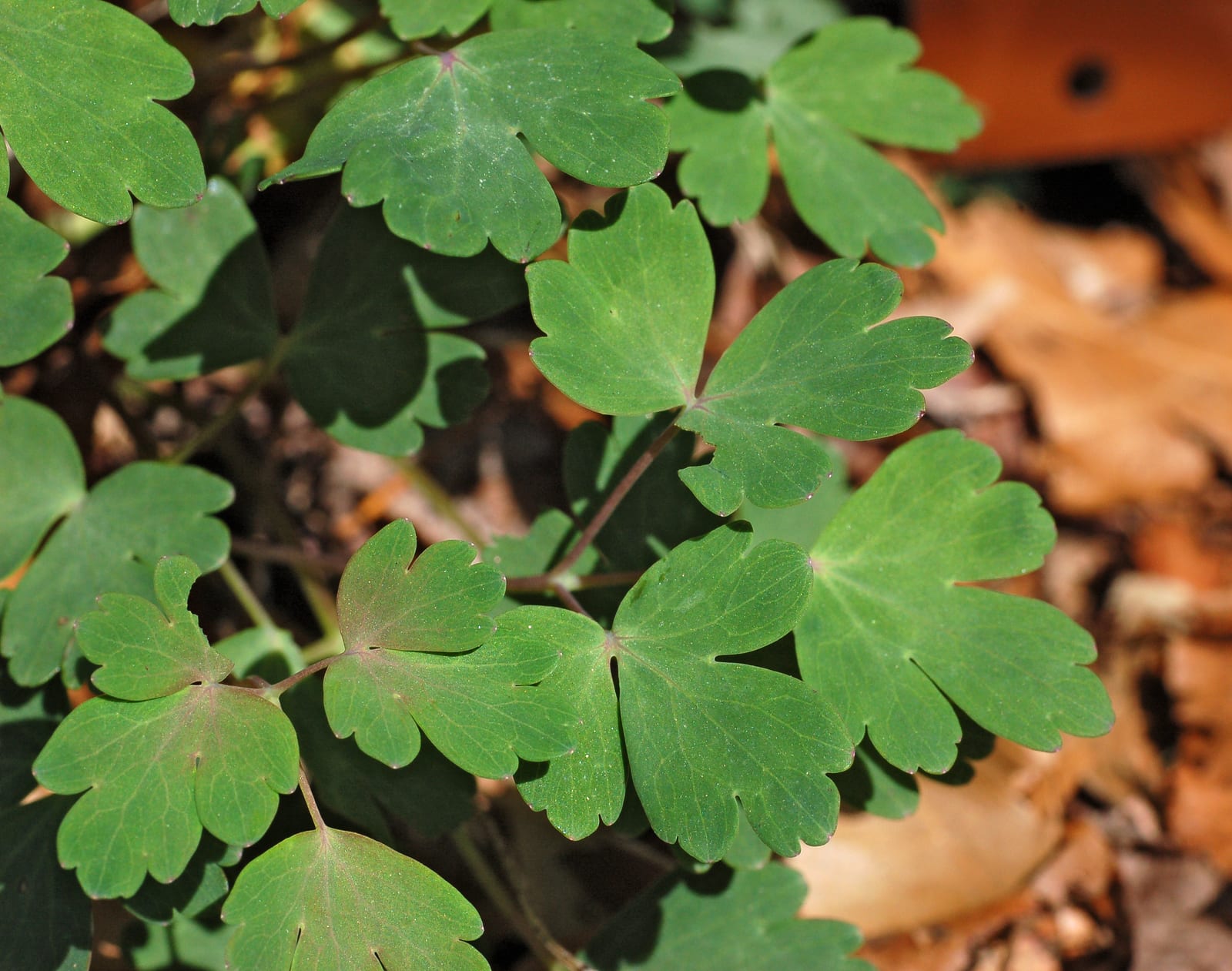 🔍 Click to enlarge
flowerperennial
Columbine
Aquilegia canadensis
Delicate, spurred blooms in spring. Attracts hummingbirds and self-sows freely.
Quick Facts
Sun:⛅ Partial Shade, ☀️ Full Sun
Water:💧💧 Moderate
USDA Zones:Zones 3–9
Space:🪴 Container, 🌱 Small Bed, 🏡 Large Garden
Soil:Loam, Sandy, Silty
Best Season(s):Spring
Experience Level:🌱 Beginner
Native Range:Eastern North America
Bloom Color:Red and yellow (native species); many colors in hybrids
Bloom Cycle:Late spring to early summer
Care Notes
Allow to self-seed for natural spreading. Cut back foliage after leafminers appear.
Growing Details
Mature Size:1-3 ft tall, 1-1.5 ft wide
Growth Rate:🌿 Moderate
Zone Performance
In the cooler end of its range (zones 3-4) columbine blooms later, in late spring to early summer, and plants are longer-lived since summer heat stress is minimal. In the warmer zones 8-9, bloom comes earlier in spring and plants often decline or die out within 2-3 years as heat and humidity shorten their lifespan, so allowing self-sown seedlings to replace parent plants is important there.
Companions & Wildlife
🦌 Deer Resistance
seldom damaged
The ferny, slightly toxic foliage is generally passed over by deer, though hungry animals may nip flower buds in early spring.
🐝 Pollinator Value
high
The long nectar spurs are specifically adapted to ruby-throated hummingbirds and long-tongued bumblebees.
Good Companions
Coral Bells (Heuchera) — Shares the same part-shade, well-drained conditions and its evergreen foliage fills in after columbine foliage declines in summer heat.
Hosta — Bold hosta leaves provide textural contrast to columbine's ferny foliage and both tolerate the same woodland-edge light.
Astilbe — Blooms slightly later, extending color in the shade garden once columbine's spring flush fades.
Ferns — Native ferns share columbine's preference for humusy, moisture-retentive soil and mask columbine's tendency to look ragged after leafminer damage.
Troubleshooting
⚠️ Columbine leafminer tunnels (pale squiggly trails in leaves)
Cut foliage back to the crown once tunneling appears; new clean leaves will regrow and the plant is not otherwise harmed.
⚠️ Powdery mildew on foliage in humid summers
Improve air circulation by thinning nearby plantings and avoid overhead watering late in the day.
⚠️ Short-lived plants disappearing after a few years
Let a few seed heads mature and drop each year so self-sown seedlings continuously replace older plants.
⚠️ Pet Safety
Mildly toxic to cats and dogs (contains glycosides) — generally low-risk but best kept from grazing pets.
Informational only — always check with a veterinarian if you suspect your pet has eaten something it shouldn't have.