Loading…
 🔍 Click to enlarge
vegetablebiennial💧 Hydroponic-Compatible
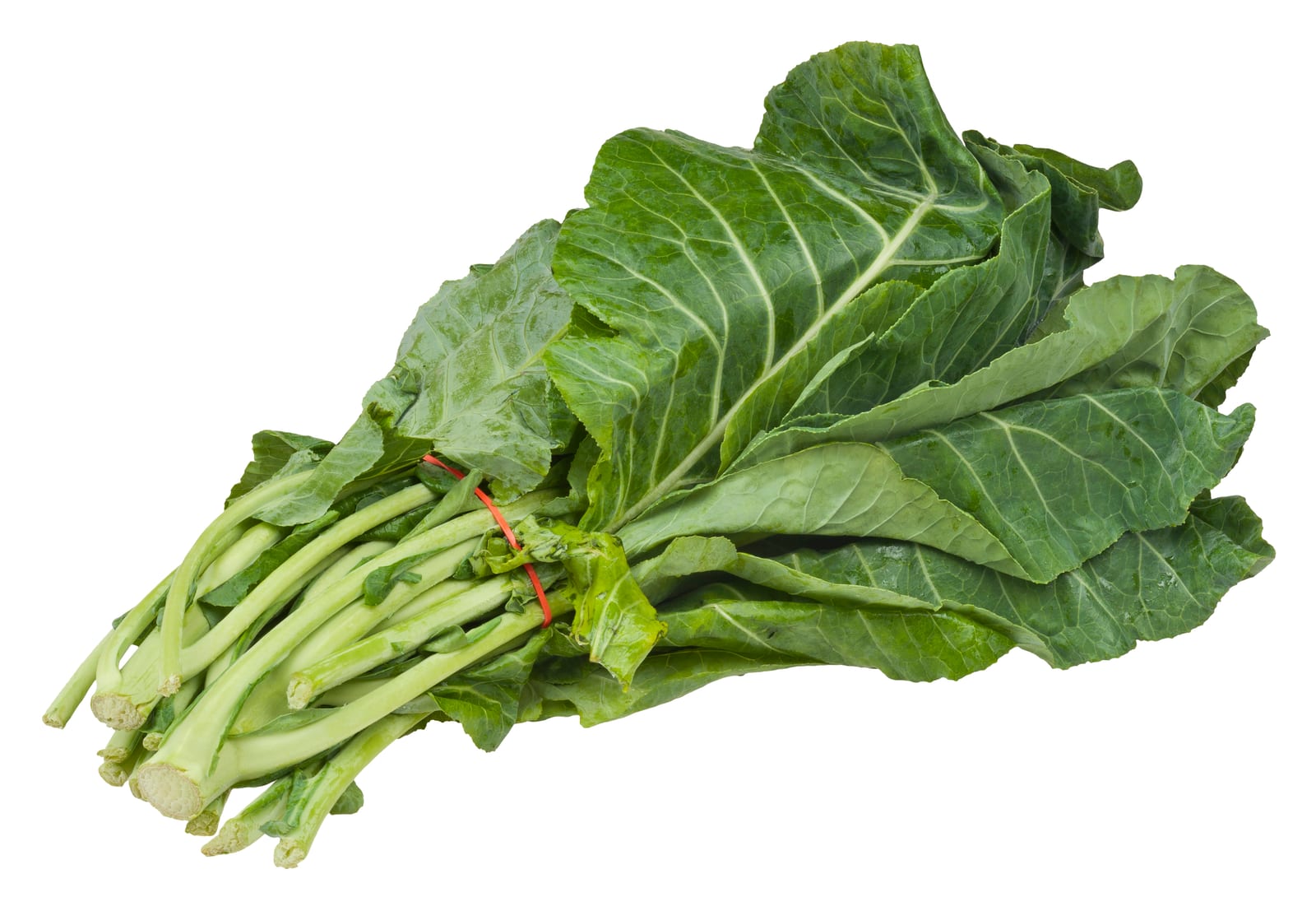
Collard Greens
Brassica oleracea (Acephala Group)
Southern staple green that tolerates heat better than most brassicas. Improves with frost.
Quick Facts
Sun:☀️ Full Sun, ⛅ Partial Shade
Water:💧💧 Moderate
USDA Zones:Zones 6–11
Space:🌱 Small Bed, 🏡 Large Garden
Soil:Loam, Clay, Silty
Best Season(s):Spring, Fall, Winter
Experience Level:🌱 Beginner
Native Range:Eastern Mediterranean & Asia Minor
Bloom Color:Small yellow flowers if bolted (grown for leaves)
Bloom Cycle:Second-year bloom if overwintered
Days to Harvest:60–80 days
Harvest Pattern:Continuous / cut-and-come-again
Care Notes
Harvest lower leaves as needed. Plants can grow for years in mild climates.
💧 Hydroponic Notes
Works well in DWC or NFT. Harvest outer leaves continuously. Flavor improves slightly in cooler conditions.
Growing Details
Mature Size:2-3 ft tall, 2-3 ft wide
Growth Rate:🌿 Moderate
Zone Performance
At the cool edge of its range (zone 6), collards are grown as a spring and fall crop and are killed back by hard winter freezes. Toward the warm end (zones 9-11), they behave as true short-lived perennials, often producing leaves for two or more years and actually improving in sweetness after a light frost rather than being damaged by it.
Companions & Wildlife
🦌 Deer Resistance
frequently damaged
Like other loose-leaf brassicas, collards are a preferred deer browse and unfenced plantings are commonly stripped to bare stems.
🐝 Pollinator Value
low
Usually harvested continuously as leaves before flowering, but plants allowed to bolt in their second year produce yellow flowers that draw small bees.
Good Companions
Dill — Dill's flowers attract parasitic wasps and predatory insects that help control cabbage worms and aphids common to collards.
Thyme — Thyme's strong aromatic oils can help mask the scent brassicas emit that attracts cabbage moths.
Onion — Onion's pungent scent helps deter cabbage-family pests while sharing similar sun and moisture needs.
Marigold — Marigold roots suppress root-knot nematodes and its bloom attracts beneficial insects that prey on collard pests.
Troubleshooting
⚠️ Cabbage worms and loopers chewing leaves
Hand-pick or apply Bt (Bacillus thuringiensis), and use row cover on new plantings to exclude egg-laying moths.
⚠️ Aphid colonies on leaf undersides
Blast off with water and encourage ladybugs and lacewings by planting nearby flowering companions like dill or alyssum.
⚠️ Leaves turning bitter or tough
Harvest lower, older leaves regularly and keep plants well watered — drought stress and over-maturity both increase bitterness.
✅ Pet Safety
Non-toxic to cats and dogs in normal amounts.
Informational only — always check with a veterinarian if you suspect your pet has eaten something it shouldn't have.