Loading…
 🔍 Click to enlarge
shrubperennial
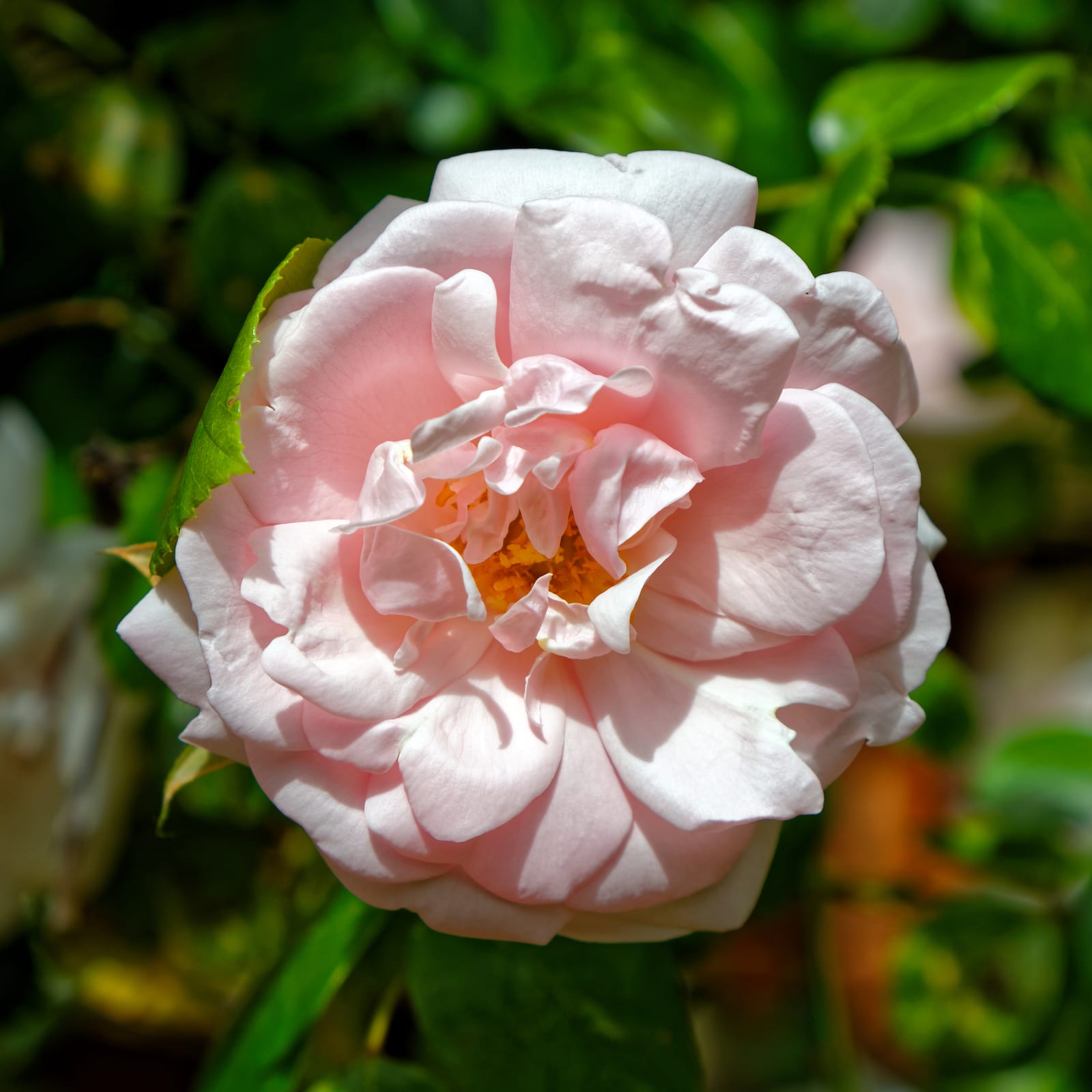
Climbing Rose
Rosa spp. (climbing cultivars)
Vigorous, long-caned rose trained onto trellises, arbors, and fences for a dramatic vertical wall of blooms.
Quick Facts
Sun:☀️ Full Sun
Water:💧💧 Moderate
USDA Zones:Zones 5–9
Space:🌱 Small Bed, 🏡 Large Garden
Soil:Loam, Clay, Silty
Best Season(s):Spring, Summer
Experience Level:🌿 Intermediate
Native Range:Garden hybrid (parent species from Asia, Europe & North America)
Bloom Color:Wide range — red, pink, white, yellow, orange, bicolor
Bloom Cycle:Repeat bloomer through summer on established canes
Care Notes
Tie canes horizontally to encourage more flowering side-shoots. Prune after the main flush of bloom.
Growing Details
Mature Size:8-20 ft of cane length depending on cultivar, trained flat against a support
Growth Rate:🐇 Fast
Zone Performance
In zone 5, many climbing rose cultivars need canes loosened from their support and laid down with winter protection, or a genuinely hardy cultivar chosen, since cane dieback is common after severe cold. In zone 9, plants grow vigorously nearly year-round and need more frequent training and pruning to keep canes from outgrowing their support and to manage increased blackspot and powdery mildew pressure from the humidity.
Companions & Wildlife
🦌 Deer Resistance
frequently damaged
Deer readily browse rose foliage, buds, and even thorny canes when hungry, so fencing or repellent is usually necessary in areas with deer pressure.
🐝 Pollinator Value
moderate
Single and semi-double climbing rose cultivars provide accessible pollen for bumblebees and other native bees; heavily double, fully petaled cultivars offer far less since bees can't reach the center.
Good Companions
Clematis — Classic pairing that shares a support structure and full-sun requirements, with Clematis's finer flowers weaving through Climbing Rose's larger blooms for layered color.
Lavender — Thrives in the same well-drained, full-sun conditions and its aromatic foliage is traditionally planted at rose feet to help deter some pests.
Catmint (Nepeta) — Blooms over a long season at the rose's base, sharing sun and drainage needs while masking bare lower canes with soft mounded foliage.
Foxglove — Adds cottage-garden vertical interest at a lower tier during the same late-spring to early-summer bloom window as many climbing rose cultivars.
Troubleshooting
⚠️ Blackspot causing yellowing leaves with dark spots and defoliation
Water at the base rather than overhead, clean up fallen leaves promptly, and apply a preventive fungicide program starting in early spring in humid climates.
⚠️ Few flowers despite vigorous cane growth
Train canes horizontally along the support rather than letting them grow straight up, since horizontal canes produce far more flowering side-shoots.
⚠️ Japanese beetles skeletonizing leaves and damaging blooms
Hand-pick beetles into soapy water in early morning when they're sluggish, and avoid pheromone traps, which can draw in more beetles than they catch.
✅ Pet Safety
Petals and hips are generally non-toxic to cats and dogs; thorns pose a physical hazard.
Informational only — always check with a veterinarian if you suspect your pet has eaten something it shouldn't have.
🌿 Traditional & Medicinal Use
Rose hips (the fruit) are a well-documented source of vitamin C and are traditionally used in teas — food/traditional use, not medical advice.
Informational only, not medical advice — consult a healthcare provider before using any plant medicinally.