Loading…
 🔍 Click to enlarge
herbannual💧 Hydroponic-Compatible
Cilantro
Coriandrum sativum
Essential herb for salsas, curries, and Asian cuisine. Bolts fast in heat.
Quick Facts
Sun:☀️ Full Sun, ⛅ Partial Shade
Water:💧💧 Moderate
USDA Zones:Zones 3–11
Space:🪴 Container, 🌱 Small Bed, 🏡 Large Garden
Soil:Loam, Sandy, Silty
Best Season(s):Spring, Fall
Experience Level:🌱 Beginner
Native Range:Southern Europe & Western Asia
Bloom Color:Small white-pink umbels (the seed stage is the spice coriander)
Bloom Cycle:Bolts quickly in heat
Days to Harvest:20–30 days in hydro
Harvest Pattern:Continuous / cut-and-come-again
Care Notes
Sow every 3 weeks for continuous supply. Partial shade in summer delays bolting.
💧 Hydroponic Notes
Great in Kratky or NFT. Bolts slower in controlled indoor temps (60–70°F). Succession plant every 2–3 weeks for steady supply.
Growing Details
Mature Size:1-2 ft tall, 6-8 in wide
Growth Rate:🐇 Fast
Zone Performance
Cilantro is grown as a cool-season annual throughout its entire Zone 3-11 range, but the growing calendar flips with climate: in cold Zone 3-5 it's sown in spring for an early-summer harvest before summer heat triggers bolting, while in hot Zone 9-11 gardens it actually performs best as a fall-through-winter crop, since summer heat there causes it to bolt almost immediately.
Companions & Wildlife
🦌 Deer Resistance
occasionally damaged
Cilantro's foliage is more tender and less aromatic-oil-dense than woody Mediterranean herbs, so deer will browse it when other food is limited.
🐝 Pollinator Value
high
When cilantro bolts and flowers, its flat white umbels are highly attractive to hoverflies, parasitic wasps, and small native bees, making the 'wasted' bolted plant valuable to leave in place.
Good Companions
Spinach — Both are quick-maturing, cool-season crops that can be interplanted and harvested on a similar timeline.
Pepper — Cilantro's flowers, if allowed to bloom, attract hoverflies and parasitic wasps that help control aphids on peppers.
Bean — Cilantro's scent is reputed to help repel aphids and potato beetles that can also affect nearby beans.
Basil — Both are compact culinary herbs with similar moisture needs, making efficient use of a shared container or bed edge.
Troubleshooting
⚠️ Bolting to flower within a few weeks of hot weather
Sow in partial afternoon shade during warm months, choose slow-bolt cultivars like 'Calypso' or 'Santo', and succession-sow every 2-3 weeks for continuous supply.
⚠️ Poor germination from old or improperly stored seed
Use fresh seed and lightly crush the papery seed coat before sowing to speed water uptake.
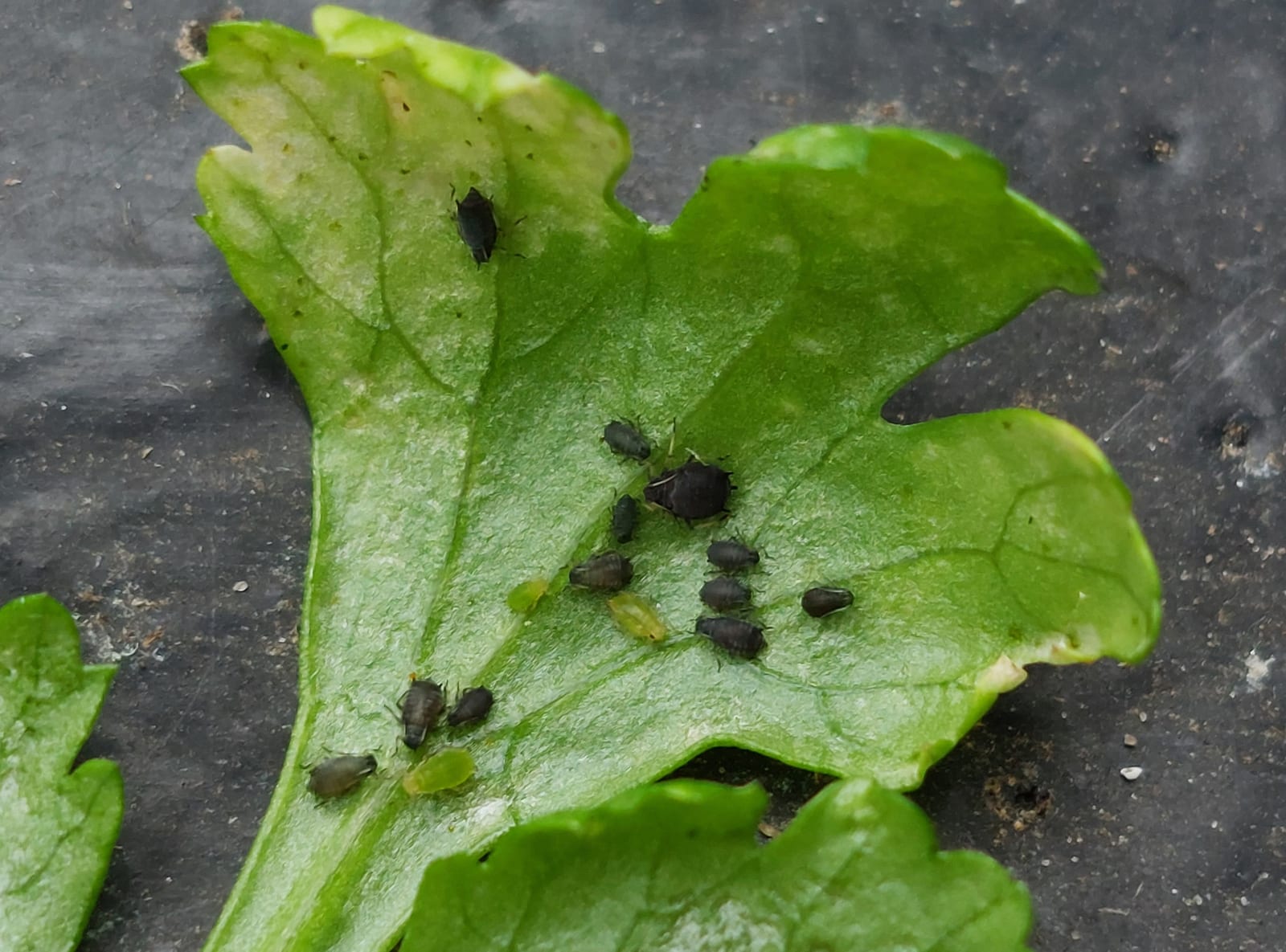
⚠️ Aphids clustering on new growth
Spray with a strong stream of water or insecticidal soap, and encourage beneficial insects by letting a few plants flower nearby.
⚠️ Taproot disturbance causing transplant shock and premature bolting
Direct sow whenever possible, or transplant very young seedlings carefully without disturbing the taproot.
✅ Pet Safety
Non-toxic to cats and dogs.
Informational only — always check with a veterinarian if you suspect your pet has eaten something it shouldn't have.