Loading…
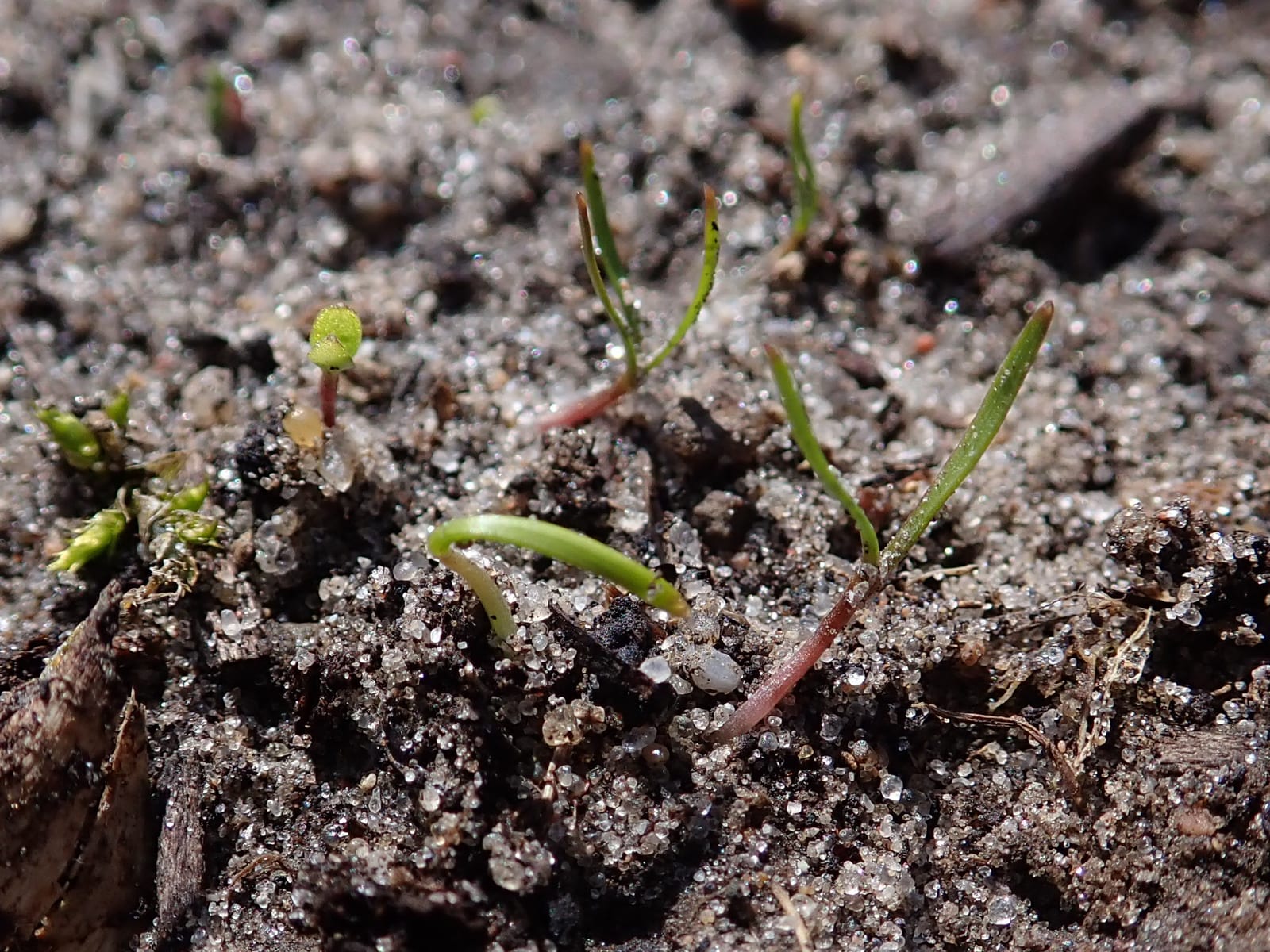 🔍 Click to enlarge
vegetablebiennial
Carrot
Daucus carota subsp. sativus
Sweet root vegetable that loves loose, deep soil. Great for containers too.
Quick Facts
Sun:☀️ Full Sun, ⛅ Partial Shade
Water:💧💧 Moderate
USDA Zones:Zones 3–11
Space:🪴 Container, 🌱 Small Bed, 🏡 Large Garden
Soil:Sandy, Loam, Silty
Best Season(s):Spring, Fall
Experience Level:🌱 Beginner
Native Range:Central Asia
Bloom Color:White, umbrella-shaped flowers if allowed to bolt (grown for root)
Bloom Cycle:Blooms in its second year if left in the ground
Days to Harvest:70–80 days
Harvest Pattern:Single harvest per planting
Care Notes
Thin seedlings to 3 inches apart. Avoid rocky or compacted soil.
Growing Details
Mature Size:8-12 in tall foliage, roots 6-10 in deep, plants spaced 2-3 in apart
Growth Rate:🐢 Slow
Zone Performance
In Zones 3-6, carrots are best as a spring or late-summer-into-fall crop, and roots left in the ground under mulch after a light frost actually sweeten and can be harvested through much of winter in milder years. In Zones 8-11, summer heat causes roots to become tough, woody, and bitter, so growers there sow primarily in fall and winter for spring harvest.
Companions & Wildlife
🦌 Deer Resistance
seldom damaged
Deer occasionally nibble the ferny top foliage, but they generally leave carrot beds alone since the edible root is out of sight underground.
🐝 Pollinator Value
low
Harvested as a root crop before flowering, carrots have little pollinator value, though a plant left to bolt produces umbrella-shaped flower clusters attractive to hoverflies and small parasitic wasps.
Good Companions
Tomato — Carrots' deep, loosening roots improve soil structure around tomato roots without competing for the same growing space.
Onion — Onion scent genuinely reduces carrot fly pressure through scent confusion — one of the better-supported companion planting effects.
Garlic — Allium scent genuinely reduces carrot fly pressure through scent confusion — one of the better-supported companion planting effects.
Chives — Allium scent genuinely reduces carrot fly pressure through scent confusion — one of the better-supported companion planting effects.
Lettuce — Lettuce is shallow-rooted and shade-tolerant enough to intercrop between carrot rows without competing.
Peas — Peas fix nitrogen in the soil, benefiting the heavier-feeding carrot planted nearby.
Green Bean — Compatible growth habits and root depths, with beans adding nitrogen to the shared bed.
Troubleshooting
⚠️ Forked or misshapen roots
Work soil deeply and remove rocks and clumps before sowing, since roots fork around any obstruction they meet.
⚠️ Poor, spotty germination
Keep the seedbed consistently moist for the 1-3 weeks carrot seed takes to sprout, covering lightly with row cover or a board to prevent surface drying.
⚠️ Green shoulders on roots
Hill a bit of soil or mulch over exposed root tops as they develop to block sunlight, which is what triggers the bitter green color.
⚠️ Carrot rust fly larvae tunneling into roots
Use fine mesh row cover from sowing through harvest, since adult flies lay eggs at the soil surface near the base of the foliage.
✅ Pet Safety
Non-toxic to cats and dogs — a very common healthy treat.
Informational only — always check with a veterinarian if you suspect your pet has eaten something it shouldn't have.