Loading…
 🔍 Click to enlarge
shrubperennial
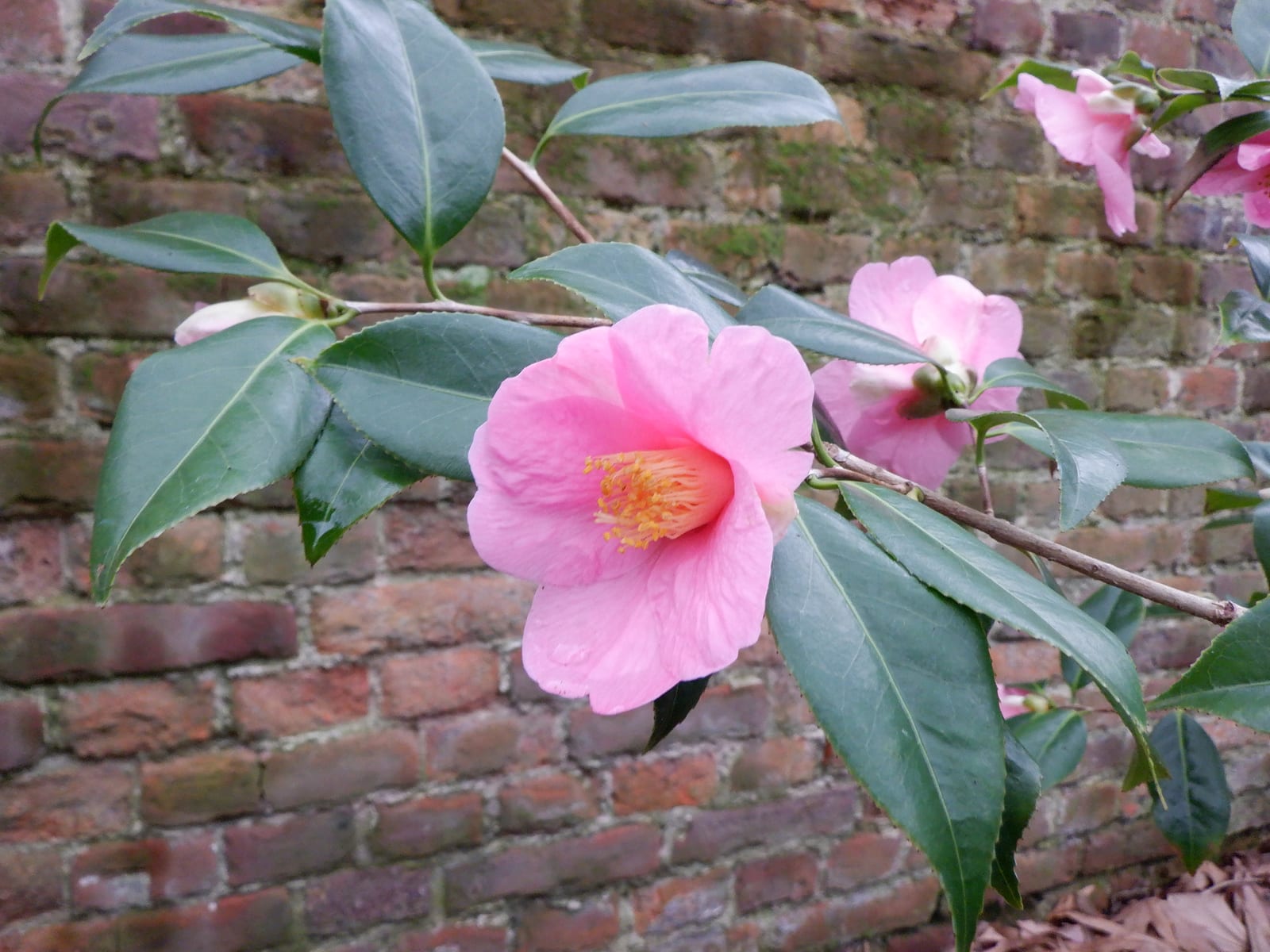
Camellia
Camellia japonica
Elegant evergreen with glossy leaves and rose-like blooms that flower in fall, winter, or early spring depending on variety.
Quick Facts
Sun:⛅ Partial Shade
Water:💧💧 Moderate
USDA Zones:Zones 7–9
Space:🌱 Small Bed, 🏡 Large Garden
Soil:Peaty, Loam, Sandy
Best Season(s):Fall, Winter
Experience Level:🌿 Intermediate
Native Range:East Asia
Bloom Color:Red, pink, white, or bicolor — rose-like double or single blooms
Bloom Cycle:Fall through early spring depending on variety
Care Notes
Needs acidic, well-drained soil and protection from hot afternoon sun. Mulch well to keep roots cool and moist.
Growing Details
Mature Size:6-12 ft tall, 6-10 ft wide (varies widely by cultivar; some reach small-tree size with age)
Growth Rate:🐢 Slow
Zone Performance
Zone 7 is the practical cold limit for most Camellia japonica cultivars, and plants there need a sheltered microclimate away from winter wind and morning sun to avoid flower bud and foliage damage from freeze-thaw cycles. In zones 8-9, Camellia performs best with afternoon shade and consistent moisture, since intense sun and drought stress cause leaf scorch and bud drop.
Companions & Wildlife
🦌 Deer Resistance
occasionally damaged
Deer will browse Camellia foliage and flower buds when other food is scarce, particularly in winter, so protection may be needed in high-pressure areas.
🐝 Pollinator Value
moderate
Late-season blooms provide a valuable nectar source for honeybees and bumblebees when few other plants are flowering.
Good Companions
Azalea — Shares the same acidic, well-drained soil and partial shade requirements, with overlapping or sequential bloom timing for a layered spring display.
Fern (native woodland species) — Thrives in the same dappled shade and consistently moist, humus-rich soil beneath Camellia's canopy.
Hellebore — Blooms in the same winter-to-early-spring window in similar partial shade, extending seasonal interest at a lower height tier.
Japanese Maple — Provides the light, filtered shade Camellia prefers over hot afternoon sun while sharing acidic soil preferences.
Troubleshooting
⚠️ Flower buds turning brown and dropping before opening
Avoid overwatering or drought stress in late summer when buds are forming, and protect plants from early hard freezes with a frost cloth if a late-season bloomer is caught off guard.
⚠️ Yellowing leaves with green veins (chlorosis)
Test and lower soil pH with elemental sulfur or an acidifying fertilizer, since Camellia requires acidic soil to take up iron properly.
⚠️ Tea scale on leaf undersides causing yellow speckling
Treat with horticultural oil in spring or systemic imidacloprid drench, focusing coverage on the undersides of leaves where scale feeds.
✅ Pet Safety
Generally considered non-toxic to cats and dogs.
Informational only — always check with a veterinarian if you suspect your pet has eaten something it shouldn't have.