Loading…
 🔍 Click to enlarge
shrubperennial
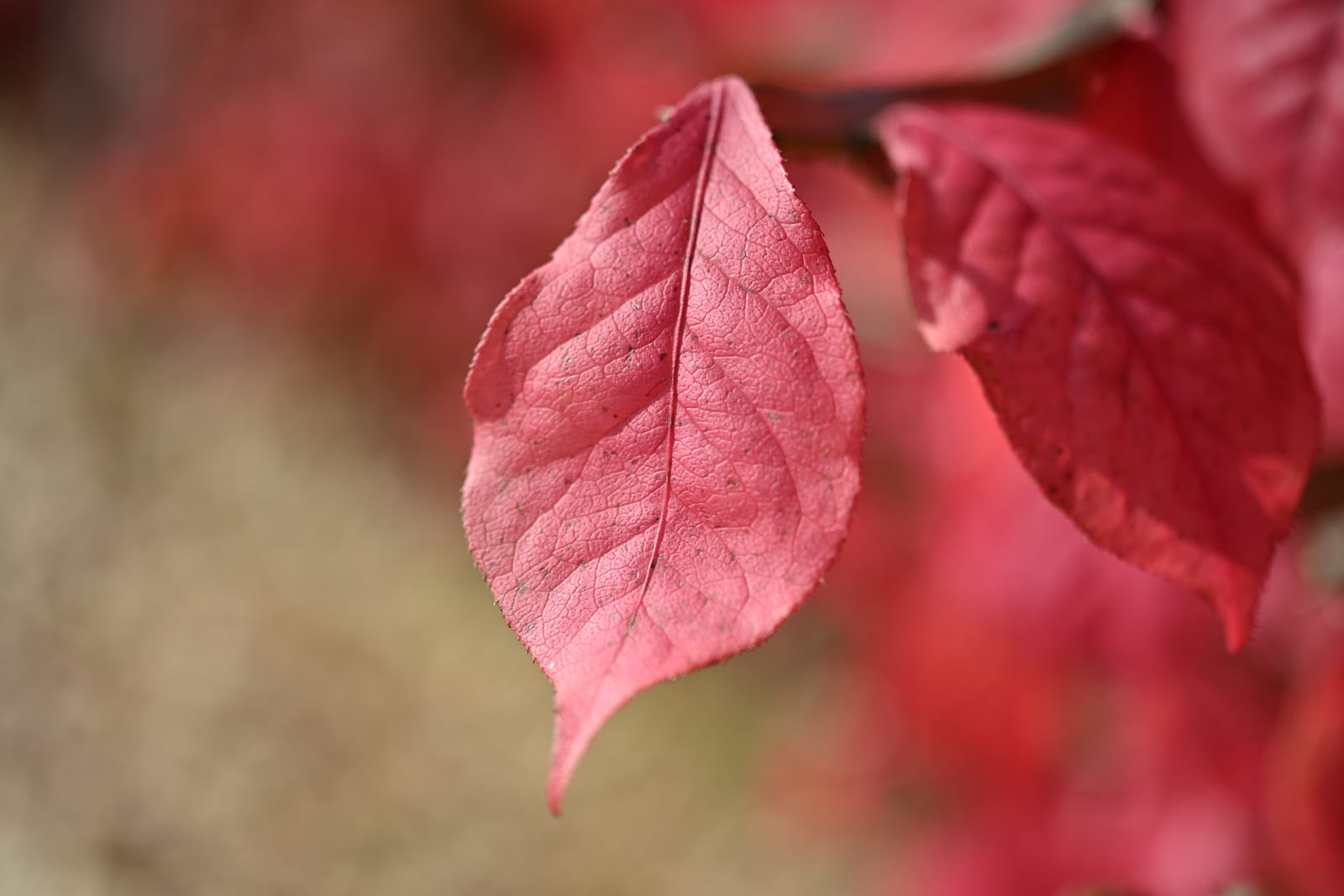
Burning Bush
Euonymus alatus
Grown for its electric-red fall foliage — one of the most vivid color displays of any landscape shrub.
Quick Facts
Sun:☀️ Full Sun, ⛅ Partial Shade
Water:💧 Low
USDA Zones:Zones 4–8
Space:🌱 Small Bed, 🏡 Large Garden
Soil:Loam, Clay, Sandy
Best Season(s):Spring, Fall
Experience Level:🌱 Beginner
Native Range:Northeast Asia (widely naturalized in the US)
Bloom Color:Small greenish-yellow, inconspicuous (grown for red fall foliage)
Bloom Cycle:Late spring
Care Notes
Considered invasive in some Northeastern and Midwestern states — check local regulations before planting; choose compact cultivars where permitted.
Growing Details
Mature Size:6-10 ft tall, 6-10 ft wide (dwarf 'Compactus' stays 6-8 ft)
Growth Rate:🌿 Moderate
Zone Performance
In zone 4, fall color develops reliably and often more intensely due to the sharp autumn temperature drop, but plants should be sited away from harsh winter wind. In zone 8, the fall color display is frequently muted or delayed by lingering warmth, and because the species readily naturalizes into woodlands there, many states restrict or discourage planting it regardless of zone suitability.
Companions & Wildlife
🦌 Deer Resistance
seldom damaged
Deer generally leave established plants alone, though young transplants can be nibbled in high-pressure areas.
🐝 Pollinator Value
low
Inconspicuous greenish spring flowers provide minor nectar for small bees but are not a notable pollinator draw.
Good Companions
Black-Eyed Susan (Rudbeckia) — Golden late-summer blooms peak just before Burning Bush's fall color show, creating a warm-toned transition from summer to autumn.
Ornamental Grasses (Miscanthus, Panicum) — Similar drought tolerance and a textural, upright form contrast with Burning Bush's dense horizontal branching while sharing fall interest.
Purple Smokebush (Cotinus) — Complementary rich foliage color and comparable sun and soil needs make a striking contrast planting through summer and fall.
Troubleshooting
⚠️ Uncontrolled seedling spread into adjacent woods or fields
Deadhead spent flowers where practical, remove volunteer seedlings promptly, and check state invasive species lists before planting — many Northeastern and Midwestern states now restrict sale or planting.
⚠️ Scale insects on stems
Scout in late winter for small brown bumps on twigs and treat with dormant horticultural oil before spring growth begins.
⚠️ Poor fall color in overly shaded or warm-climate sites
Plant in full sun, since color intensity depends on both light exposure and a genuine seasonal temperature drop.
⚠️ Pet Safety
Fruit and foliage are mildly toxic to cats and dogs (alkaloids) — can cause GI upset in quantity.
Informational only — always check with a veterinarian if you suspect your pet has eaten something it shouldn't have.