Loading…
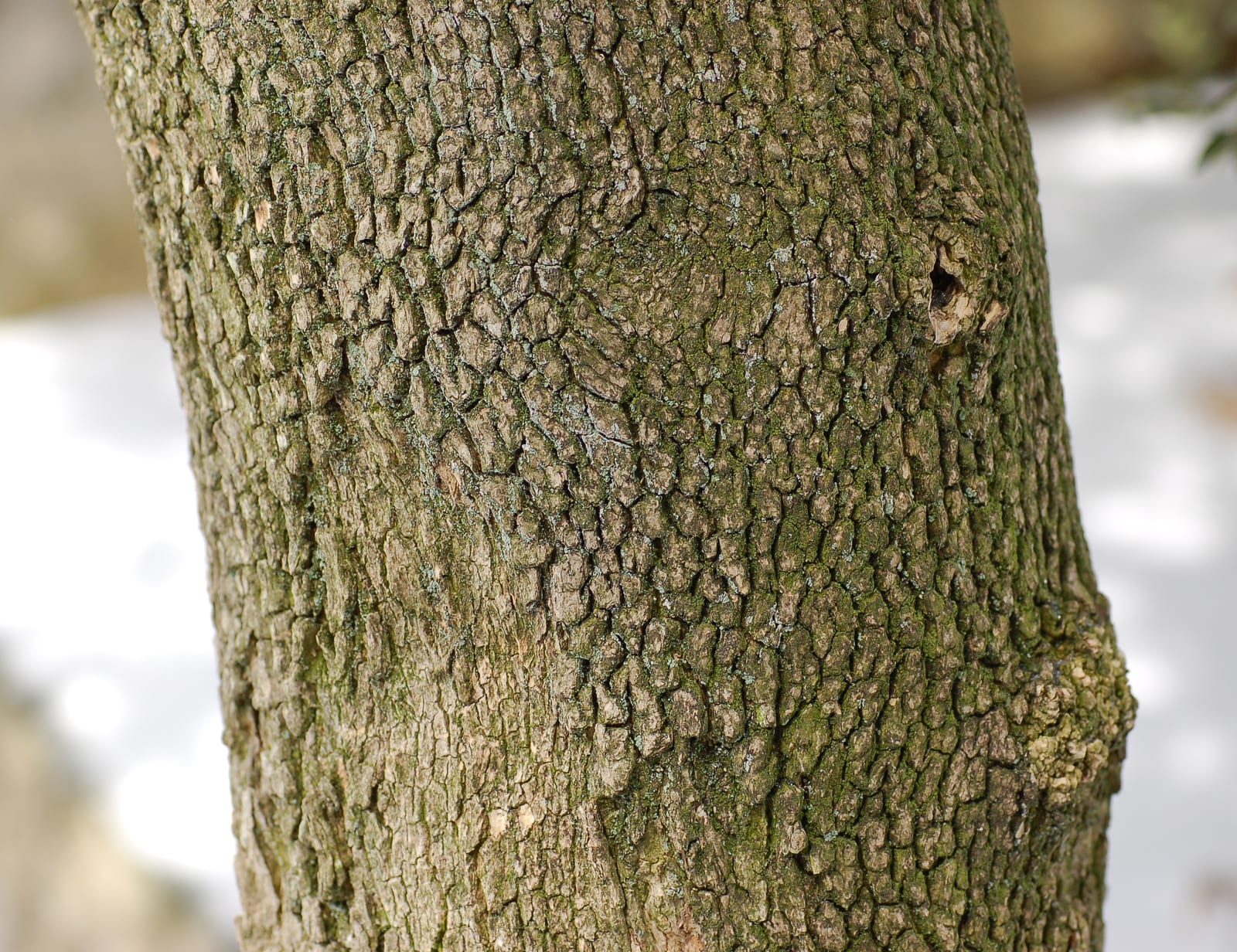 🔍 Click to enlarge
shrubperennial
Boxwood
Buxus sempervirens
Classic evergreen hedge and topiary plant. Dense, compact growth year-round.
Quick Facts
Sun:☀️ Full Sun, ⛅ Partial Shade
Water:💧💧 Moderate
USDA Zones:Zones 5–9
Space:🪴 Container, 🌱 Small Bed, 🏡 Large Garden
Soil:Loam, Clay, Silty
Best Season(s):Spring, Fall
Experience Level:🌿 Intermediate
Native Range:Southern Europe & North Africa
Bloom Cycle:Evergreen — grown for year-round form and hedging, not bloom
Care Notes
Shear in late spring after new growth hardens. Avoid deep cultivation near shallow roots.
Growing Details
Mature Size:3-6 ft tall, 3-6 ft wide (unpruned); maintained smaller as a hedge
Growth Rate:🐢 Slow
Zone Performance
In Zone 5, winter bronzing and desiccation on exposed, windy sites is common and worsens in years with little snow cover for insulation; in Zone 9, English boxwood (Buxus sempervirens) struggles with summer heat and humidity-related root rot, so American or hybrid cultivars like 'Green Velvet' are a more reliable choice at the warm end of the range.
Companions & Wildlife
🦌 Deer Resistance
rarely damaged
Boxwood's bitter, slightly toxic foliage makes it one of the most reliably deer-resistant landscape shrubs available.
🐝 Pollinator Value
low
Inconspicuous spring flowers offer minor pollen value to small bees, but boxwood is grown for foliage, not floral resources.
Good Companions
Hosta — Thrives in the same partial shade at boxwood's base and provides contrasting broad-leaf texture against its fine evergreen foliage.
Boxwood (as a formal edge) — Repeating the same species in a clipped low hedge is the classic way to frame a bed geometrically.
Lavender — In full-sun plantings, its silvery foliage and looser habit contrast well with boxwood's dense, dark green formality.
Daffodil — Blooms and fades before boxwood's own spring growth flush, adding seasonal color without competing for space.
Troubleshooting
⚠️ Boxwood blight (dark leaf spots, defoliation)
Remove and destroy infected plants and fallen leaf litter, avoid overhead watering, and disinfect pruning tools between plants.
⚠️ Winter bronzing/desiccation
Apply an anti-desiccant spray in late fall and site plants away from harsh winter wind exposure.
⚠️ Boxwood leafminer causing blistered leaves
Apply a systemic insecticide in spring when adult flies emerge, or prune out and destroy heavily mined foliage.
⚠️ Pet Safety
Toxic to cats and dogs (alkaloids) — can cause GI upset and, in large amounts, more serious effects.
Informational only — always check with a veterinarian if you suspect your pet has eaten something it shouldn't have.