Loading…
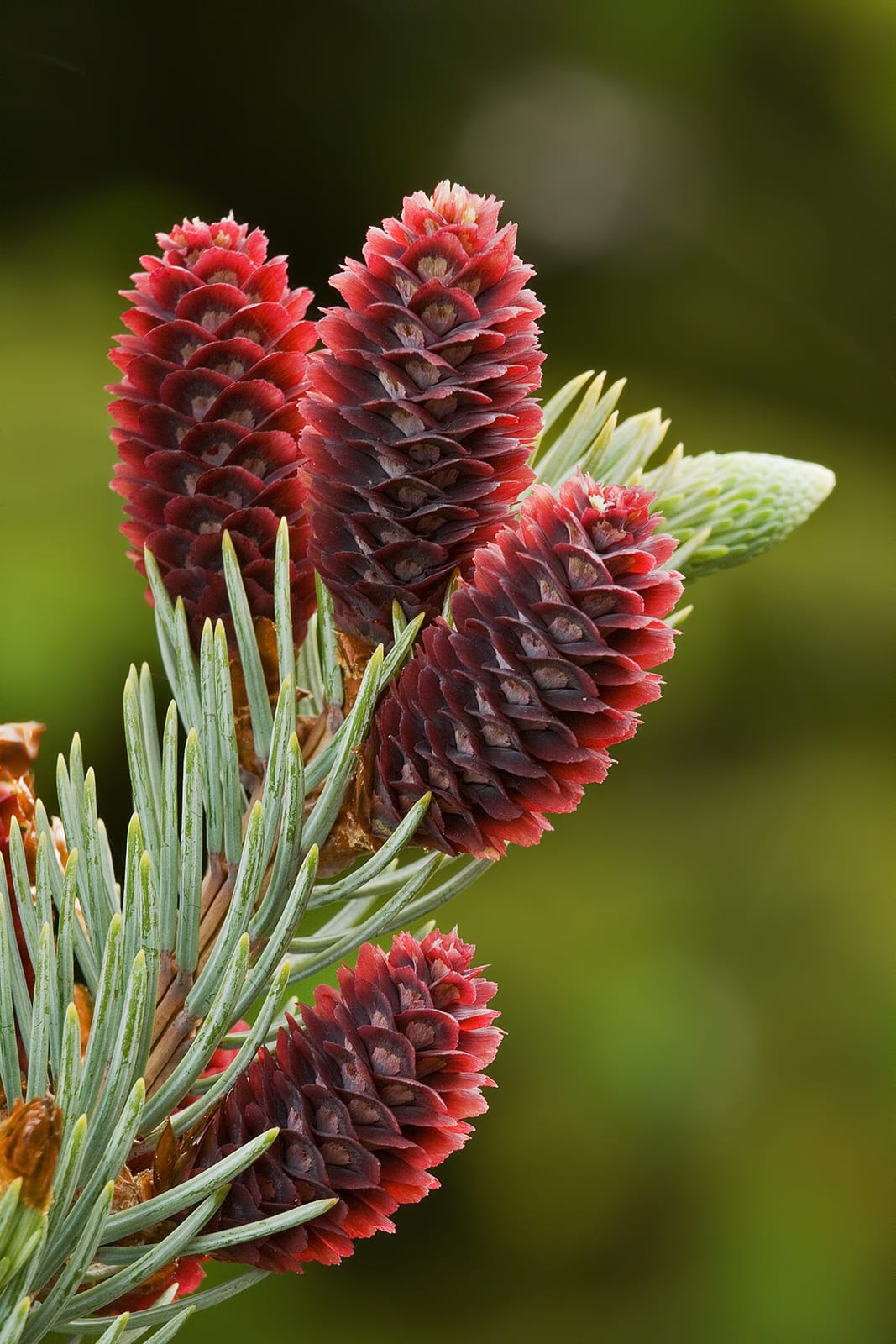 🔍 Click to enlarge
treeperennial
Colorado Blue Spruce
Picea pungens
Iconic pyramidal conifer with striking silvery-blue needles. A popular specimen and windbreak tree in colder climates.
Quick Facts
Sun:☀️ Full Sun
Water:💧💧 Moderate
USDA Zones:Zones 3–7
Space:🏡 Large Garden
Soil:Loam, Clay, Sandy
Best Season(s):Spring, Fall
Experience Level:🌱 Beginner
Native Range:Rocky Mountains, Western United States
Bloom Cycle:Inconspicuous spring cones, not grown for bloom
Care Notes
Give it full sun and good air circulation to prevent needle cast disease. Very cold hardy.
Growing Details
Mature Size:50-75 ft tall, 10-20 ft wide
Growth Rate:🐢 Slow
Zone Performance
At the cold edge (Zone 3), blue spruce is exceptionally hardy and thrives in the dry, cold climates of its native Rocky Mountain range; at the warm edge (Zone 7), it struggles with heat and humidity and becomes far more susceptible to needle cast diseases, often declining prematurely in hot, humid summers. It is best suited overall to cooler, drier climates than the eastern half of its listed zone range provides.
Companions & Wildlife
🦌 Deer Resistance
seldom damaged
The stiff, sharp needles generally deter deer browsing, though young trees may occasionally be nibbled in harsh winters.
🐝 Pollinator Value
low
Wind-pollinated with no significant nectar value, though its dense branching provides important winter shelter for birds.
Good Companions
Potentilla — Tough, low-water shrub that shares full sun and well-drained soil, useful as foreground planting for a tall blue spruce specimen.
Russian Sage — Drought-tolerant perennial that complements the spruce's silvery-blue color and shares the same sunny, well-drained site.
Karl Foerster Feather Reed Grass — Upright ornamental grass that echoes the spruce's vertical form while tolerating the same open, sunny conditions.
Troubleshooting
⚠️ Rhizosphaera needle cast (browning, dropping interior needles)
Improve air circulation by spacing trees widely, avoid overhead watering, and apply fungicide in spring if the disease is established.
⚠️ Spider mites in hot, dry weather
Hose down foliage regularly during hot spells and treat heavy infestations with horticultural oil.
⚠️ Cytospora canker (branch dieback, oozing resin)
Prune out and destroy affected branches during dry weather; there is no cure once a tree is heavily infected, so prevention through good siting is key.
✅ Pet Safety
Generally considered non-toxic, though sharp needles can cause mechanical irritation if chewed.
Informational only — always check with a veterinarian if you suspect your pet has eaten something it shouldn't have.