Loading…
 🔍 Click to enlarge
grassperennial
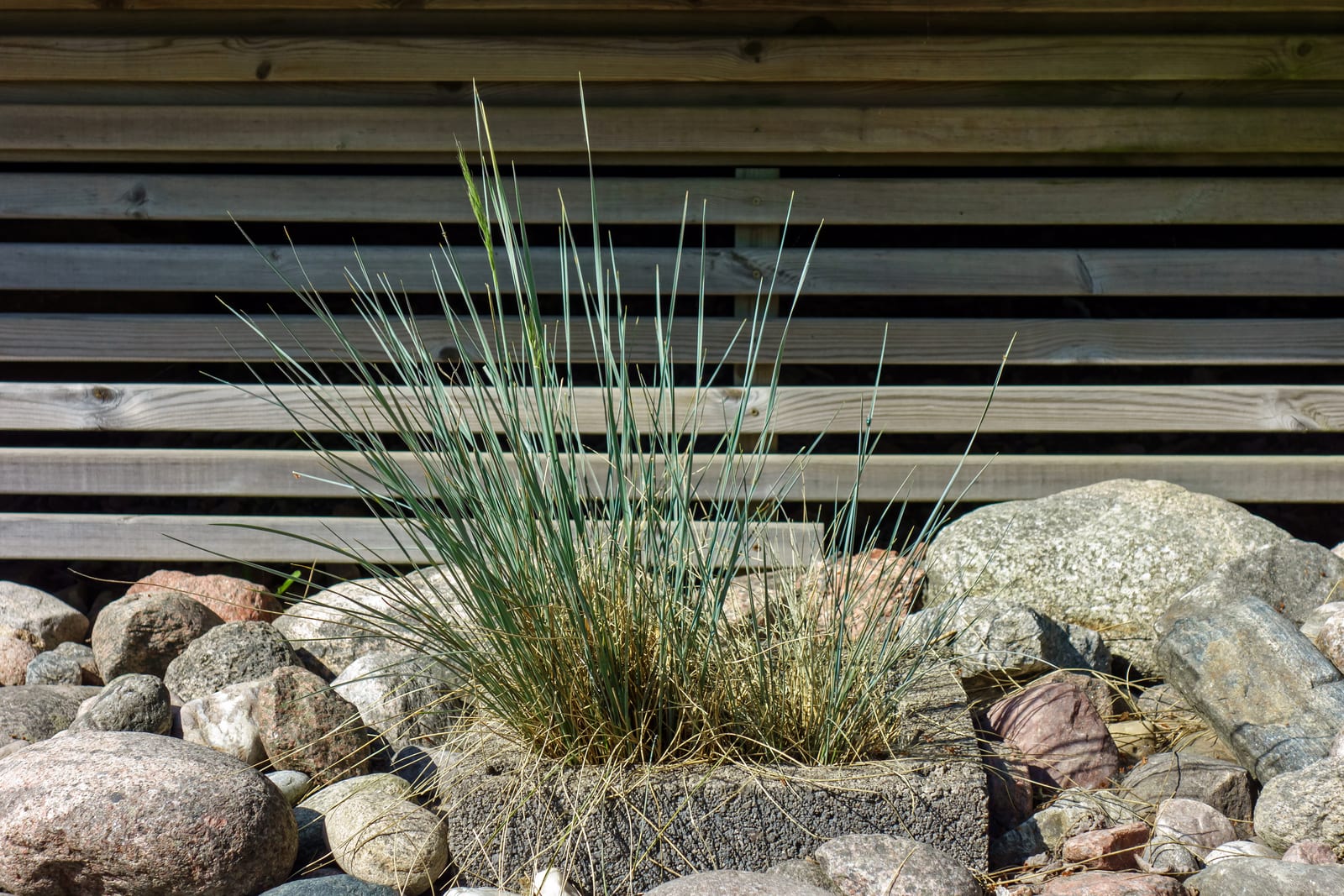
Blue Fescue
Festuca glauca
Compact blue-gray mounding grass that adds cool color contrast to any garden.
Quick Facts
Sun:☀️ Full Sun
Water:💧 Low
USDA Zones:Zones 4–9
Space:🪴 Container, 🌱 Small Bed
Soil:Loam, Sandy, Chalky, Silty
Best Season(s):Spring, Fall
Experience Level:🌱 Beginner
Native Range:Europe
Bloom Cycle:Grown for its striking blue-gray foliage color, not bloom
Care Notes
Cut back by half in early spring to rejuvenate. Divide every 2–3 years when center dies out.
Growing Details
Mature Size:8-12 in tall and wide (flower spikes to 14 in)
Growth Rate:🐢 Slow
Zone Performance
In zone 4, blue fescue is fully hardy but benefits from a light winter mulch and reliable snow cover to prevent crown desiccation. At the warm end of its range (zones 8-9), summer humidity and heat are more limiting than cold — the clumps often decline or rot in hot, humid summers and perform best there with sharper drainage and afternoon shade.
Companions & Wildlife
🦌 Deer Resistance
rarely damaged
The fine, wiry, aromatic blades are unpalatable to deer and rarely browsed even in high-pressure areas.
🐝 Pollinator Value
low
Grown almost entirely for its blue foliage color; its inconspicuous seed heads offer little nectar or pollen value to pollinators.
Good Companions
Sedum (Stonecrop) — Shares the same low-water, full-sun requirements and its flat succulent foliage contrasts nicely with fescue's fine spiky texture.
Russian Sage — Silvery-blue tones echo the fescue's color while adding height and airy vertical structure above the low mound.
Lavender — Both thrive in lean, fast-draining soil and full sun, forming a classic silver-blue Mediterranean-style planting.
Black Mondo Grass — The near-black foliage creates a striking color contrast against blue fescue's icy blue-gray blades.
Troubleshooting
⚠️ Brown, dead center of the clump
Divide the plant every 2-3 years in early spring, discarding the woody center and replanting the healthy outer sections.
⚠️ Floppy, green-tinged foliage instead of tight blue color
Move to full sun and reduce fertilizer — too much shade or rich soil causes the foliage to green up and lose its compact habit.
⚠️ Crown rot in humid or poorly drained sites
Plant in raised beds or amend heavy soil with grit/sand to guarantee sharp winter drainage.
✅ Pet Safety
Generally considered non-toxic to cats and dogs; ornamental grasses in general are low-risk, physical-irritation-only hazards at most.
Informational only — always check with a veterinarian if you suspect your pet has eaten something it shouldn't have.