Loading…
 🔍 Click to enlarge
flowerperennial
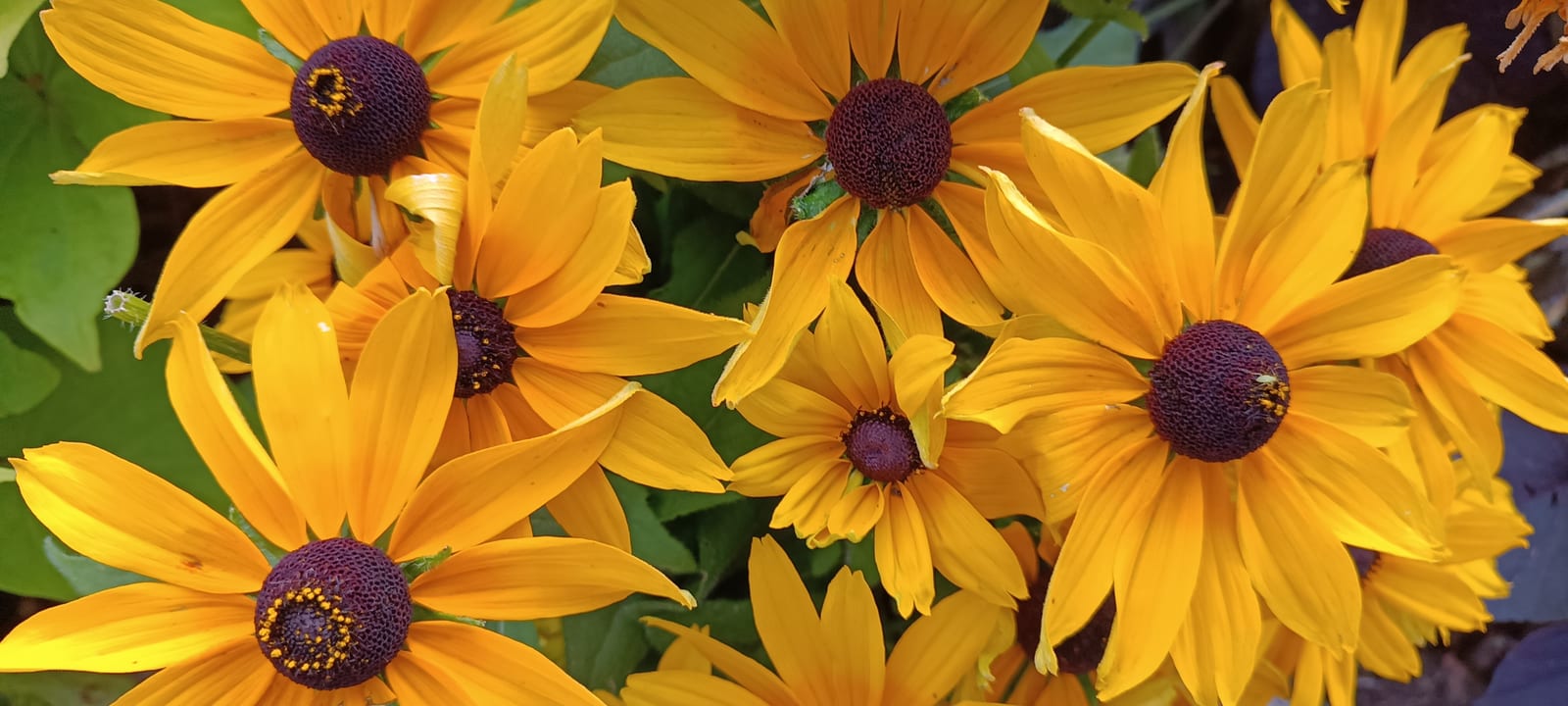
Black-Eyed Susan
Rudbeckia hirta
Hardy native wildflower with golden petals. Thrives in tough conditions.
Quick Facts
Sun:☀️ Full Sun, ⛅ Partial Shade
Water:💧 Low
USDA Zones:Zones 3–9
Space:🌱 Small Bed, 🏡 Large Garden
Soil:Loam, Clay, Sandy
Best Season(s):Spring, Summer
Experience Level:🌱 Beginner
Native Range:Central & Eastern North America
Bloom Color:Golden-yellow with dark brown center
Bloom Cycle:Summer through fall
Care Notes
Deadhead spent blooms to extend flowering. Divide clumps every 3 years.
Growing Details
Mature Size:1-3 ft tall, 1-2 ft wide
Growth Rate:🐇 Fast
Zone Performance
This short-lived native perennial (often behaving as a biennial or reseeding annual) is reliably hardy to zone 3 and self-sows readily to maintain a stand over time, while in the hottest end of its range (zone 9) it appreciates a bit of afternoon shade and tends to flower earlier and burn out faster in prolonged summer heat.
Companions & Wildlife
🦌 Deer Resistance
seldom damaged
The coarse, hairy foliage is generally unpalatable to deer, though hungry animals may nibble young shoots in early spring.
🐝 Pollinator Value
high
A key native nectar source for bees and butterflies, including skippers and painted ladies, and its seed heads feed goldfinches into winter.
Good Companions
Purple Coneflower — Blooms simultaneously in midsummer with a complementary gold-and-purple color contrast and identical sun and drought tolerance.
Russian Sage — Its airy purple-blue spikes provide vertical contrast against Black-Eyed Susan's daisy-form flowers while sharing the same lean-soil preference.
Switchgrass — Ornamental grass adds movement and winter structure around the clump without competing for moisture in dry conditions.
Bee Balm — Both are native prairie perennials that bloom together and draw the same pollinator community.
Troubleshooting
⚠️ Septoria leaf spot causing blackened lower leaves
Remove and discard affected foliage promptly and avoid overhead watering to limit fungal spread.
⚠️ Stand thinning out after 2-3 years
Let a few flower heads go to seed each fall to naturally replenish the planting, or divide and replant crowded clumps in spring.
⚠️ Powdery mildew in humid, crowded plantings
Thin seedlings and divide clumps to improve air circulation.
⚠️ Aphids on new growth
Spray off with a strong stream of water or introduce ladybugs; infestations rarely require chemical treatment.
✅ Pet Safety
Generally considered non-toxic to cats and dogs.
Informational only — always check with a veterinarian if you suspect your pet has eaten something it shouldn't have.