Loading…
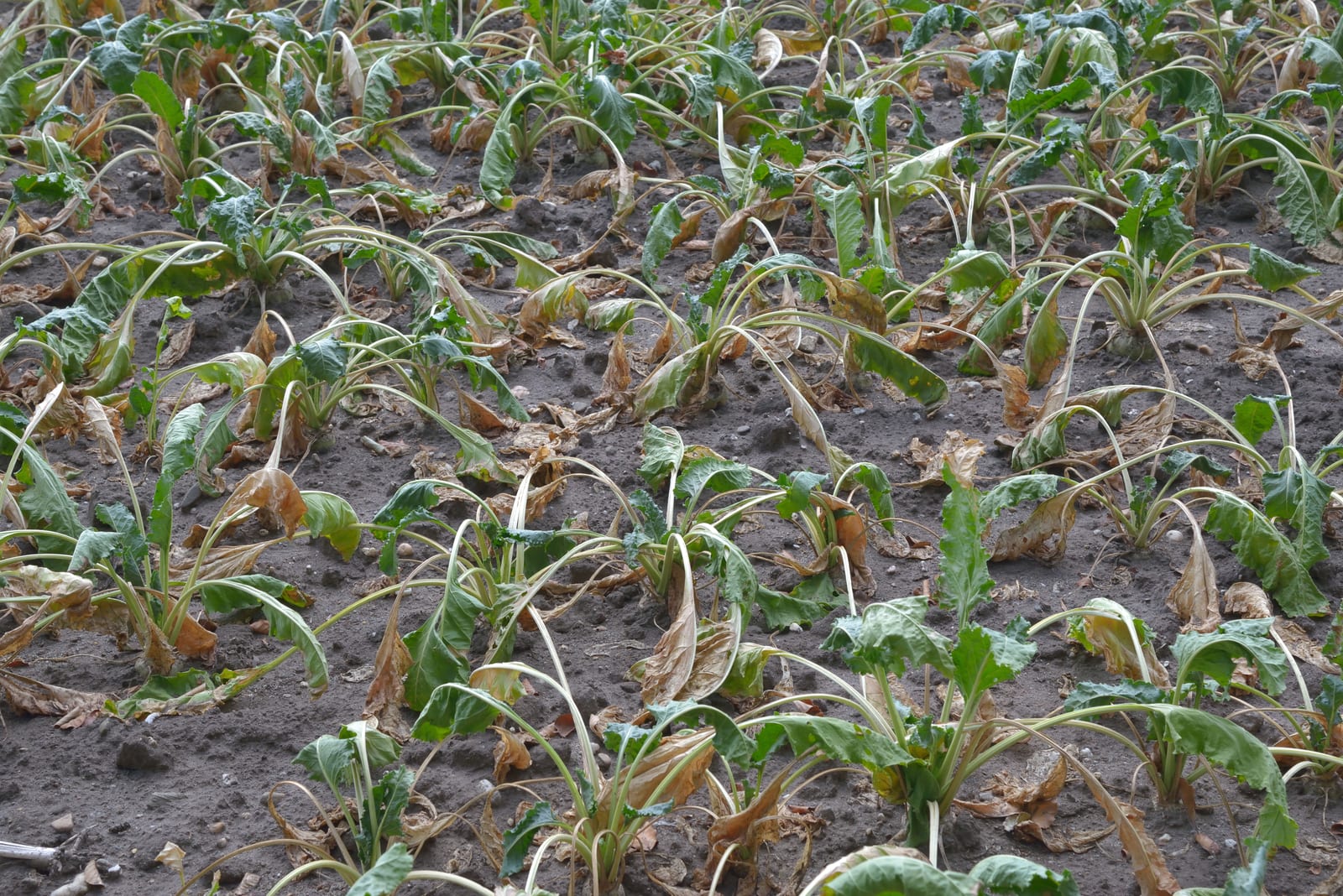 🔍 Click to enlarge
vegetablebiennial
Beet
Beta vulgaris subsp. vulgaris
Dual-purpose crop — eat both roots and greens. Earthy sweetness deepens when roasted.
Quick Facts
Sun:☀️ Full Sun, ⛅ Partial Shade
Water:💧💧 Moderate
USDA Zones:Zones 3–10
Space:🪴 Container, 🌱 Small Bed, 🏡 Large Garden
Soil:Loam, Sandy, Silty
Best Season(s):Spring, Fall
Experience Level:🌱 Beginner
Native Range:Mediterranean & Atlantic Coasts
Bloom Color:Inconspicuous green flowers in its second year (grown for root and greens)
Bloom Cycle:Rarely blooms in year one
Days to Harvest:50–65 days
Harvest Pattern:Single harvest per planting
Care Notes
Thin seedlings early — each seed cluster produces multiple sprouts. Harvest at golf-ball size for tenderness.
Growing Details
Mature Size:12-18 in tall, 6-8 in wide (root 2-3 in diameter at harvest)
Growth Rate:🌿 Moderate
Zone Performance
In cooler zones (3-5), beets are typically a single spring-into-fall crop with one main harvest window, while in zones 8-10 gardeners can grow two full crops — a spring one before summer heat and a second sown in late summer for fall and winter harvest. Hot spells above 85°F in the warmer part of the range can cause zoning (white rings) in the roots regardless of latitude.
Companions & Wildlife
🦌 Deer Resistance
occasionally damaged
Deer will browse the tender greens, especially young seedlings, though the below-ground root itself is untouched.
🐝 Pollinator Value
low
Grown as a root crop and harvested before flowering, so it offers little pollinator forage; bolted second-year plants produce wind-pollinated flowers of no real nectar value.
Good Companions
Onion — Compatible growth habits and non-competing root structures.
Cabbage — Beet's mineral-accumulating roots and the brassica's different nutrient needs make this a low-competition pairing.
Troubleshooting
⚠️ Roots have white concentric rings inside
This 'zoning' is caused by heat fluctuations during growth; harvest earlier and time plantings to mature during cooler weather.
⚠️ Poor germination or bare patches
Beet 'seeds' are actually dried fruit clusters containing multiple embryos — soak seed 12-24 hours before sowing and keep soil consistently moist during the 1-2 week germination window.
⚠️ Leaf miner tunnels in greens
Remove and destroy affected leaves promptly and cover new plantings with row cover to block egg-laying adult flies.
✅ Pet Safety
Root and greens are non-toxic to cats and dogs in normal amounts; contains oxalates like chard and spinach.
Informational only — always check with a veterinarian if you suspect your pet has eaten something it shouldn't have.