Loading…
 🔍 Click to enlarge
flowerperennial
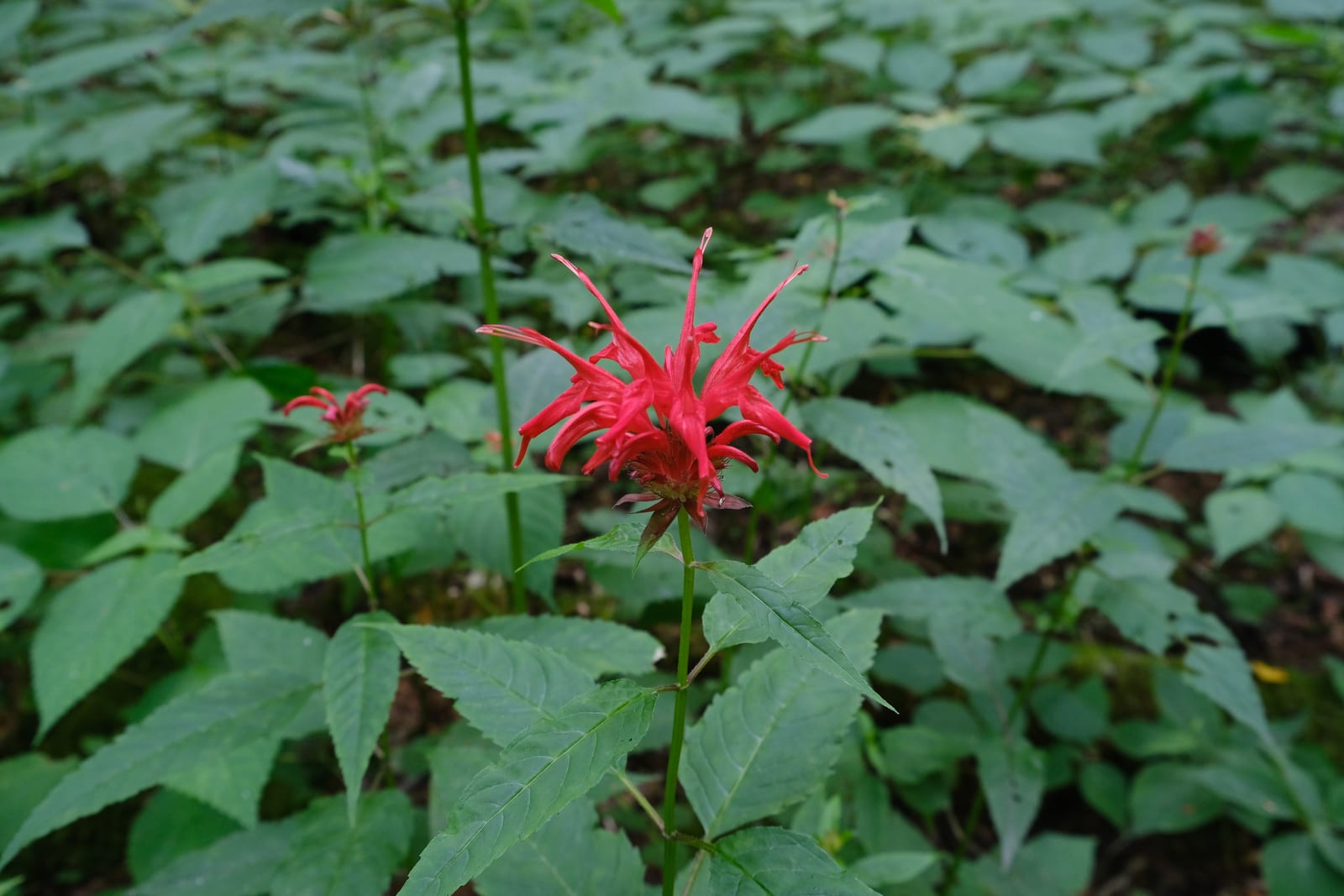
Bee Balm
Monarda didyma
Shaggy, vibrant blooms that attract bees, butterflies, and hummingbirds. Edible and medicinal.
Quick Facts
Sun:☀️ Full Sun, ⛅ Partial Shade
Water:💧💧 Moderate
USDA Zones:Zones 3–9
Space:🌱 Small Bed, 🏡 Large Garden
Soil:Loam, Clay, Silty
Best Season(s):Spring, Summer
Experience Level:🌱 Beginner
Native Range:Eastern North America
Bloom Color:Red, pink, purple, lavender
Bloom Cycle:Mid-to-late summer
Care Notes
Divide every 2–3 years to prevent powdery mildew. Deadhead to extend bloom time.
Growing Details
Mature Size:2-4 ft tall, 2-3 ft wide (spreads by rhizomes)
Growth Rate:🐇 Fast
Zone Performance
In the northern part of its range (zones 3-4), bee balm spreads more slowly and clumps stay more contained, needing less frequent division. In the humid southern end (zones 8-9), powdery mildew pressure is significantly higher due to warm, humid summer nights, making good air circulation and mildew-resistant cultivars especially important there.
Companions & Wildlife
🦌 Deer Resistance
rarely damaged
The strongly minty, aromatic foliage of Monarda is highly effective at repelling deer browsing.
🐝 Pollinator Value
high
A magnet for ruby-throated hummingbirds, bumblebees, and numerous butterfly species drawn to its nectar-rich tubular flowers.
Good Companions
Garlic Chives — Their pungent scent helps mask bee balm's fragrance from pests while sharing similar water needs and attracting overlapping pollinators.
Black-Eyed Susan — Blooms concurrently in similar sun and soil conditions, and its coarser gold flowers contrast well with bee balm's shaggy red or purple blooms.
Phlox (Garden Phlox) — Both are prone to powdery mildew in humid weather, so pairing them lets a single air-circulation and spacing strategy benefit both.
Joe Pye Weed — Shares bee balm's preference for moist, fertile soil and its similar late-summer bloom period extends the pollinator display.
Troubleshooting
⚠️ Powdery white coating on leaves in summer
Divide clumps every 2-3 years to improve air circulation and choose mildew-resistant cultivars like 'Jacob Cline' or 'Marshall's Delight'.
⚠️ Aggressive spreading crowding out neighbors
Divide and thin the rhizomatous clump every spring, removing outer runners to keep it in bounds.
⚠️ Fewer blooms by late summer
Deadhead spent flower heads regularly to encourage continued branching and rebloom.
✅ Pet Safety
Non-toxic to cats and dogs; a member of the mint family.
Informational only — always check with a veterinarian if you suspect your pet has eaten something it shouldn't have.
🌿 Traditional & Medicinal Use
Leaves have a traditional folk use as a soothing tea (a wild source of thymol, also found in oregano/thyme) — informational, not a substitute for medical advice.
Informational only, not medical advice — consult a healthcare provider before using any plant medicinally.