Loading…
 🔍 Click to enlarge
bulbperennial
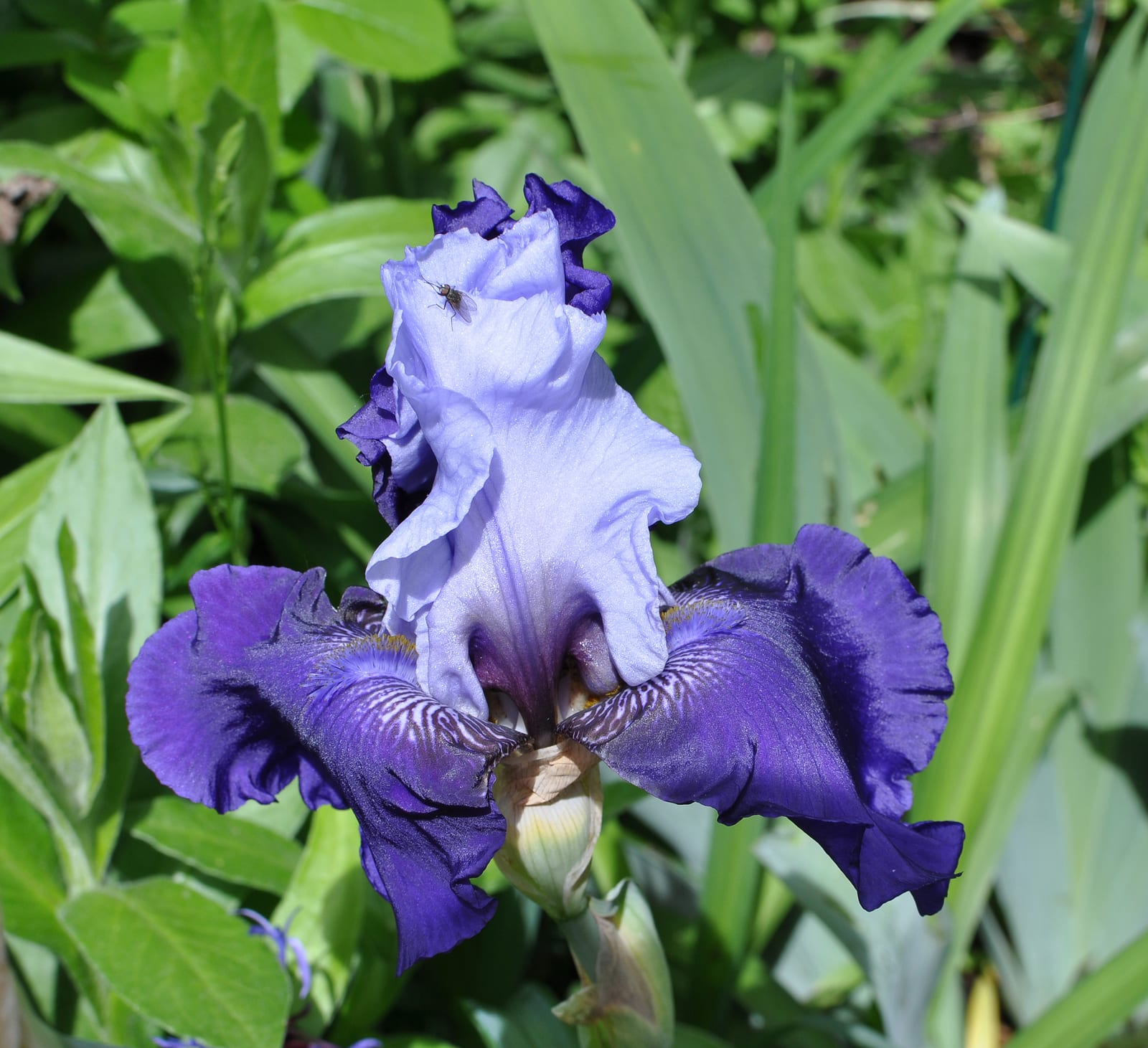
Bearded Iris
Iris germanica
Stunning late spring blooms in virtually every color. Ruffled petals with velvety beards.
Quick Facts
Sun:☀️ Full Sun
Water:💧 Low
USDA Zones:Zones 3–10
Space:🌱 Small Bed, 🏡 Large Garden
Soil:Loam, Sandy, Chalky, Silty
Best Season(s):Spring, Fall
Experience Level:🌱 Beginner
Native Range:Southern & Central Europe
Bloom Color:Purple, blue, yellow, orange, white, bicolor — ruffled, ornate form
Bloom Cycle:Late spring
Care Notes
Plant rhizomes shallowly — tops should be partially exposed. Divide every 3–4 years after blooming.
Growing Details
Mature Size:18-40 in tall, 12-18 in spread
Growth Rate:🌿 Moderate
Zone Performance
In zone 3, bearded iris is fully cold-hardy provided the rhizome is planted shallowly with its top exposed, since burial in cold, wet soil promotes rot rather than protecting the plant from cold. In zone 9-10, rhizomes benefit from light afternoon shade and more frequent division since the plant's dormant period is shorter and clumps congest faster in the extended growing season.
Companions & Wildlife
🦌 Deer Resistance
seldom damaged
The tough, fibrous rhizomes and leaves are generally unpalatable to deer, though the flowers themselves are occasionally nibbled.
🐝 Pollinator Value
moderate
Large bumblebees are the primary pollinators, using the flower's 'landing pad' petals and beard as a guide into the bloom.
Good Companions
Peony — Both are classic sun-loving perennials with similar bloom timing and low water needs once established, forming a traditional cottage garden pairing.
Russian Sage — Shares bearded iris's preference for lean, well-drained soil and provides a fine-textured contrast to iris's sword-like foliage.
Daylily — Daylily's grassy foliage and later bloom time extend color in the bed after iris finishes flowering, with matching sun and drainage needs.
Troubleshooting
⚠️ Iris borer tunneling into rhizomes
Remove and destroy old foliage each fall to eliminate overwintering eggs, and squash borer larvae found in leaf fans during the growing season.
⚠️ Soft rot turning rhizomes mushy and foul-smelling
Cut out and discard infected tissue, improve drainage, and avoid mulching directly over the rhizome, which traps moisture.
⚠️ Poor flowering in an established clump
Divide overcrowded rhizomes every 3-4 years in midsummer after bloom, replanting only firm, healthy sections.
⚠️ Pet Safety
Toxic to cats and dogs, most concentrated in the rhizome (irisin) — can cause serious GI upset and drooling.
Informational only — always check with a veterinarian if you suspect your pet has eaten something it shouldn't have.