Loading…
 🔍 Click to enlarge
shrubperennial
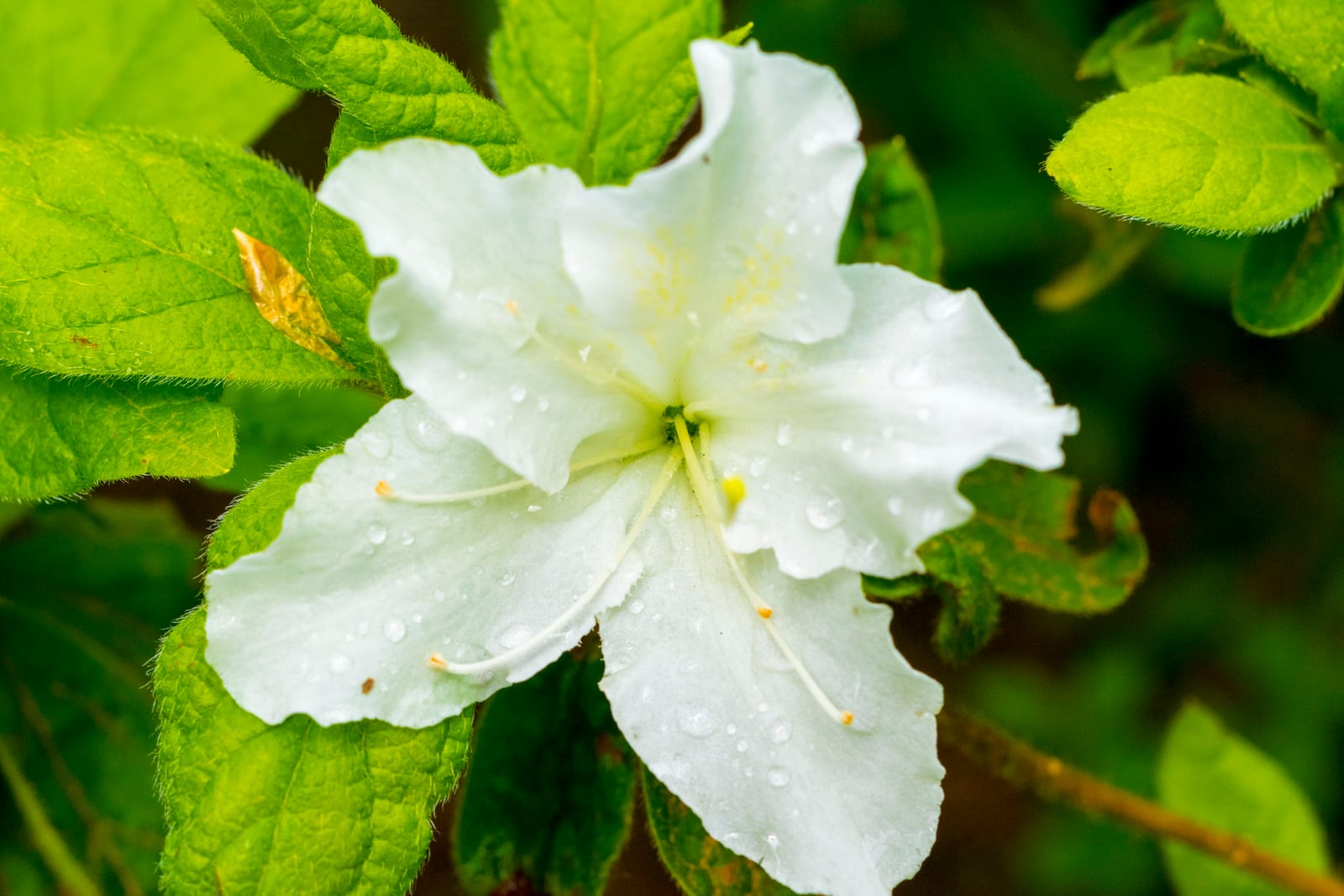
Azalea
Rhododendron spp. (Azalea group)
Showy spring-blooming shrub in the rhododendron family. Prefers acidic soil.
Quick Facts
Sun:⛅ Partial Shade, ☀️ Full Sun
Water:💧💧 Moderate
USDA Zones:Zones 4–9
Space:🪴 Container, 🌱 Small Bed, 🏡 Large Garden
Soil:Peaty, Loam, Sandy
Best Season(s):Spring, Fall
Experience Level:🌿 Intermediate
Native Range:East Asia & Eastern North America
Bloom Color:Pink, red, purple, white, orange
Bloom Cycle:Mid-spring, one dramatic flush
Care Notes
Needs acidic soil (pH 4.5–6.0). Mulch with pine needles. Prune lightly after blooming.
Growing Details
Mature Size:3-6 ft tall, 3-6 ft wide
Growth Rate:🌿 Moderate
Zone Performance
In Zone 4-5, choose cold-hardy Northern Lights or PJM-type cultivars, since standard evergreen azaleas suffer bud and stem dieback below about -15°F; in Zones 8-9, azaleas benefit from afternoon shade to avoid summer leaf scorch and typically bloom several weeks earlier than their northern counterparts.
Companions & Wildlife
🦌 Deer Resistance
frequently damaged
Azalea is a preferred deer browse, especially flower buds in winter and new growth in spring; unprotected plantings in high-deer areas are often stripped.
🐝 Pollinator Value
moderate
Early-season blooms attract mason bees, bumblebees, and occasionally ruby-throated hummingbirds passing through on migration.
Good Companions
Hosta — Thrives in the same acidic, partial-shade woodland conditions and fills in beneath azalea's canopy after its spring bloom fades.
Japanese Fern (Athyrium niponicum) — Shares azalea's preference for humus-rich, acidic soil and adds textural contrast in a shaded bed.
Camellia — Extends flowering interest into fall and winter in the same acidic-soil, part-shade planting bed.
Dogwood (Cornus florida) — Provides the dappled overhead shade azalea prefers and blooms in the same season for a classic layered spring display.
Troubleshooting
⚠️ Yellowing leaves with green veins (iron chlorosis)
Test soil pH and amend with sulfur if it has drifted above 6.0, since alkaline soil locks up iron azaleas need.
⚠️ Lace bugs causing stippled, bleached foliage
Check the undersides of leaves for black specks (droppings) and treat with horticultural oil or insecticidal soap in spring before populations build.
⚠️ Root rot in heavy, poorly drained soil
Plant high, with the root ball slightly above grade, and amend clay soil generously with organic matter before planting.
⚠️ Pet Safety
Highly toxic to cats and dogs (grayanotoxins) — every part of the plant is dangerous, including honey made from its nectar; keep pets away entirely.
Informational only — always check with a veterinarian if you suspect your pet has eaten something it shouldn't have.