Loading…
 🔍 Click to enlarge
fernperennial
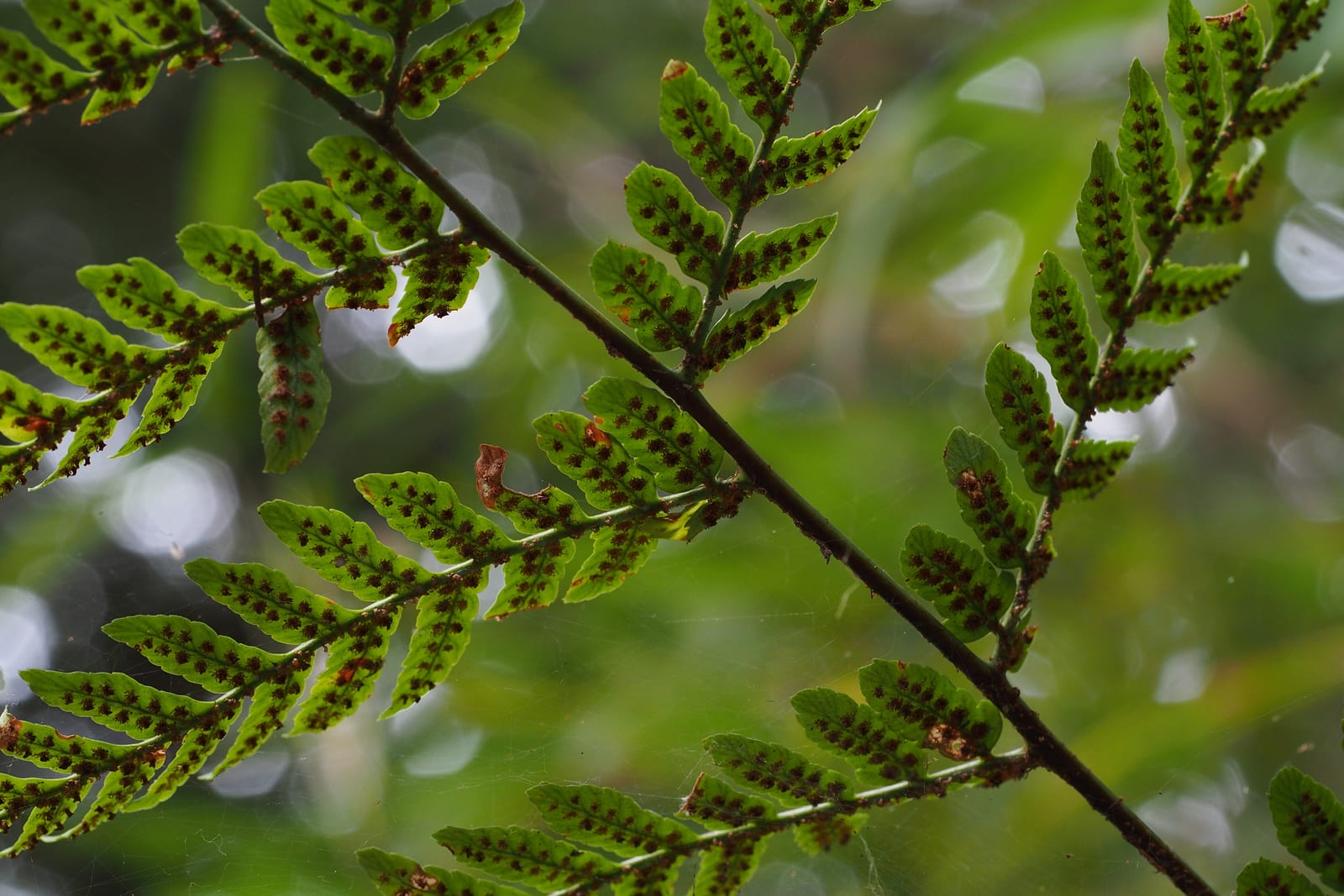
Autumn Fern
Dryopteris erythrosora
Evergreen fern with coppery-bronze new growth that matures to glossy green. Four-season interest.
Quick Facts
Sun:⛅ Partial Shade, 🌑 Full Shade
Water:💧💧 Moderate
USDA Zones:Zones 5–9
Space:🌱 Small Bed, 🏡 Large Garden
Soil:Loam, Peaty, Silty
Best Season(s):Spring, Fall
Experience Level:🌱 Beginner
Native Range:East Asia
Bloom Cycle:Ferns don't flower — new fronds emerge copper-red before turning green
Care Notes
Tolerates more sun than most ferns. Remove old fronds in spring before new ones emerge.
Growing Details
Mature Size:18-24 in tall, 18-24 in wide
Growth Rate:🌿 Moderate
Zone Performance
At the cold edge of its range (Zone 5) fronds may brown or die back in harsh winters, though the crown typically survives and resprouts in spring, so it behaves more like a herbaceous perennial there. At the warm end (Zone 9) it remains fully evergreen year-round and benefits from more shade to prevent the coppery new growth from scorching in intense summer sun.
Companions & Wildlife
🦌 Deer Resistance
rarely damaged
Like most ferns, the tough, leathery fronds of Autumn Fern are rarely browsed by deer, making it a dependable evergreen choice in wooded landscapes.
🐝 Pollinator Value
none
This spore-producing fern has no flowers and provides no pollinator resources, but its evergreen foliage offers year-round shelter for ground-dwelling insects.
Good Companions
Hellebore (Lenten Rose) — Both are evergreen shade perennials that provide four-season structure, with Hellebore's winter blooms complementing the fern's coppery new growth in early spring.
Heuchera (Coral Bells) — Coral Bells' colorful foliage pairs naturally with the fern's bronze-to-green fronds, and both tolerate the same partial shade and well-drained soil.
Japanese Forest Grass (Hakonechloa) — Its arching golden blades echo the fern's fountain shape while thriving in the same woodland-edge light and moisture conditions.
Toad Lily (Tricyrtis) — Blooms in late summer/fall when the fern's evergreen fronds provide a steady backdrop, and both prefer humus-rich, evenly moist shade soil.
Troubleshooting
⚠️ Winter fronds looking tattered or browned
Cut back damaged fronds in early spring before new coppery growth emerges; this is cosmetic and doesn't harm the plant, especially in colder zones.
⚠️ Fading color or scorched tips in summer
Provide afternoon shade in hotter climates, since too much direct sun bleaches the coppery-bronze new growth and can scorch mature fronds.
⚠️ Slow establishment the first year
Keep soil evenly moist and mulch well after planting; once established, Autumn Fern tolerates brief dry spells better than most ferns.
⚠️ Slug damage on emerging fiddleheads
Apply iron phosphate bait in early spring when new coppery fronds are tender and most attractive to slugs.
✅ Pet Safety
Non-toxic to cats and dogs.
Informational only — always check with a veterinarian if you suspect your pet has eaten something it shouldn't have.