Loading…
 🔍 Click to enlarge
treeperennial
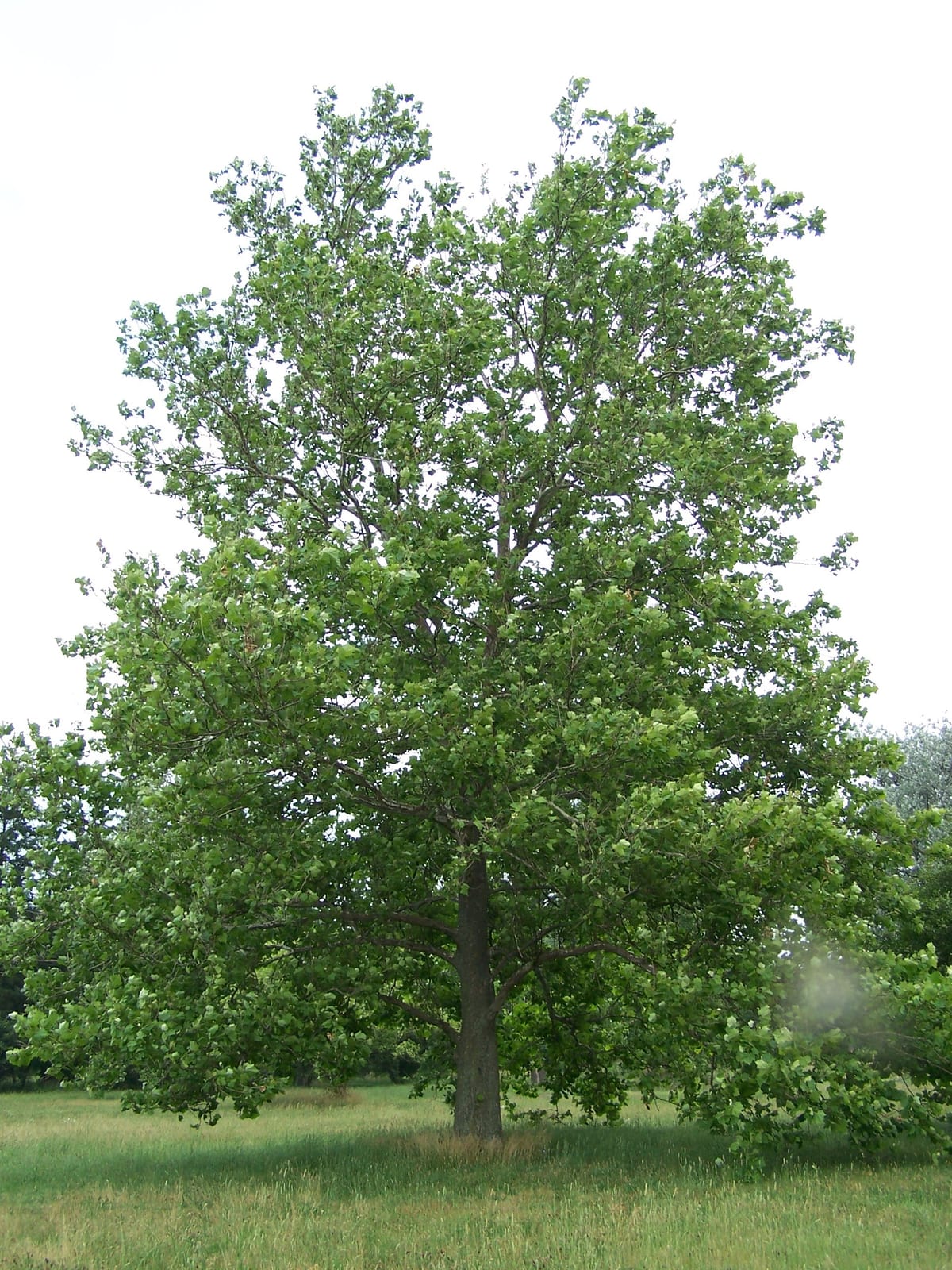
American Sycamore
Platanus occidentalis
Massive shade tree famous for its exfoliating, mottled white-and-gray bark. Thrives near rivers and streams.
Quick Facts
Sun:☀️ Full Sun
Water:💧💧💧 High
USDA Zones:Zones 4–9
Space:🏡 Large Garden
Soil:Loam, Clay, Silty
Best Season(s):Spring, Fall
Experience Level:🌿 Intermediate
Native Range:Eastern United States
Bloom Color:Small ball-shaped clusters, inconspicuous
Bloom Cycle:Spring
Care Notes
Needs a very large space — one of the biggest native hardwoods. Prefers consistently moist soil.
Growing Details
Mature Size:75-100 ft tall, 60-75 ft wide
Growth Rate:🐇 Fast
Zone Performance
At the cold edge (zone 4), sycamore is fully hardy but grows somewhat slower than in warmer regions. In zones 8-9 near its warm limit it reaches truly massive proportions fastest, but anthracnose pressure is typically worse in years with cool, wet spring weather regardless of zone.
Companions & Wildlife
🦌 Deer Resistance
seldom damaged
Coarse, bristly leaves and rapid upward growth make sycamore largely unappealing to browsing deer.
🐝 Pollinator Value
low
Wind-pollinated with inconspicuous flowers, though the seed balls do feed goldfinches and other seed-eating birds through winter.
Good Companions
River Birch — Shares sycamore's preference for consistently moist, streamside soils in naturalized plantings.
Cardinal Flower — Moisture-loving native perennial well suited to the damp, floodplain-like conditions sycamore favors.
Buttonbush — Wetland shrub that tolerates the same periodically flooded sites where sycamore thrives.
Switchgrass — Deep-rooted native grass that stabilizes soil around sycamore in streambank and low-area plantings.
Troubleshooting
⚠️ Anthracnose fungal disease causing early leaf drop
Rake and destroy fallen leaves each year and avoid overhead watering; resistant hybrid cultivars like 'Bloodgood' London planetree can be substituted.
⚠️ Constant bark shedding creating litter
This is a normal ornamental trait of the species — simply site away from patios or areas requiring tidy year-round appearance.
⚠️ Massive mature size overwhelming small yards
Reserve for large properties, parks, or streamside areas with at least 40-50 feet of clearance in all directions.
⚠️ Pet Safety
Leaves and bark contain mild irritants and the fuzzy seed balls can cause GI irritation if chewed by pets; low overall risk.
Informational only — always check with a veterinarian if you suspect your pet has eaten something it shouldn't have.