Loading…
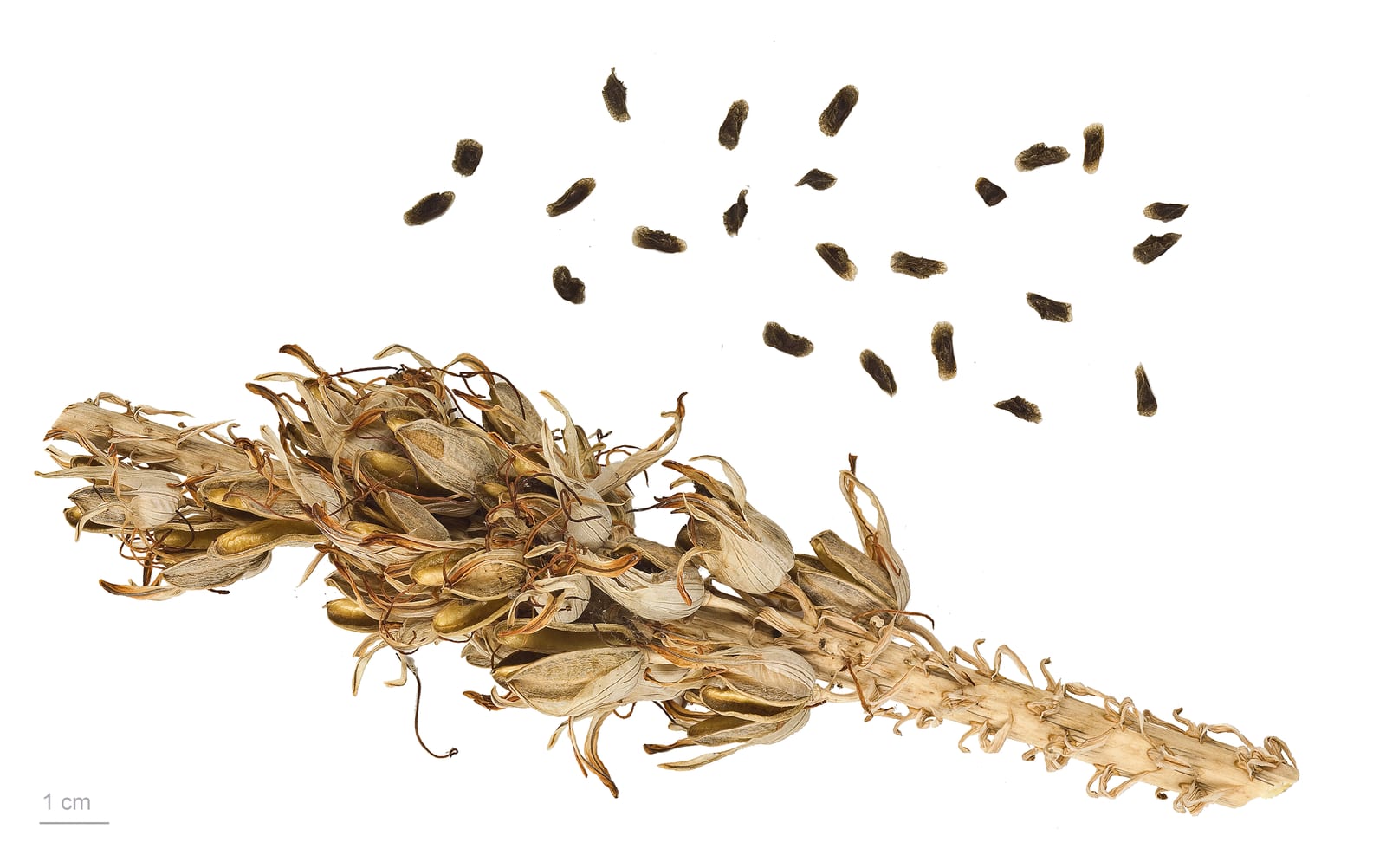 🔍 Click to enlarge
succulentperennial
Aloe Vera
Aloe vera
Famous medicinal succulent with soothing gel inside its thick leaves. Practically indestructible.
Quick Facts
Sun:☀️ Full Sun, ⛅ Partial Shade
Water:💧 Low
USDA Zones:Zones 9–11
Space:🪴 Container, 🌱 Small Bed
Soil:Sandy, Loam, Chalky
Best Season(s):Spring, Summer
Experience Level:🌱 Beginner
Native Range:Arabian Peninsula
Bloom Color:Yellow-orange tubular spikes (rare on indoor plants)
Bloom Cycle:Occasional, more common in warm outdoor climates
Care Notes
Water deeply but infrequently — allow soil to dry completely between waterings. Repot when offsets crowd pot.
Growing Details
Mature Size:1-2 ft tall and wide (offsets can form clumps 3 ft wide)
Growth Rate:🐢 Slow
Zone Performance
In zone 9, aloe vera is marginal outdoors and should be grown in a container or protected south-facing spot, as a hard freeze will kill it to the ground or outright. In zones 10-11 it thrives as a permanent garden plant year-round, forming larger offset clumps and blooming more reliably than in cooler, more marginal zones.
Companions & Wildlife
🦌 Deer Resistance
rarely damaged
The thick, spiny-edged, bitter-sapped leaves are highly unpalatable and almost never browsed by deer.
🐝 Pollinator Value
moderate
Tubular orange-yellow flower spikes are attractive to hummingbirds and bees, particularly in warm climates where it blooms reliably.
Good Companions
Agave — Shares identical low-water, full-sun, sharp-drainage requirements and pairs well texturally in succulent rock gardens.
Echeveria — Both thrive in fast-draining soil and full sun to partial shade, making them classic companions in mixed succulent containers.
Prickly Pear Cactus — A drought-tolerant desert companion that shares aloe's need for gritty, well-drained soil and minimal irrigation.
Lavender — Complements aloe's architectural rosette form with soft, fragrant texture, and both tolerate lean, dry Mediterranean-style soil.
Troubleshooting
⚠️ Mushy, rotting leaves at the base
Stop watering immediately and let soil dry completely; repot into fast-draining cactus mix if rot has set in, cutting away affected tissue.
⚠️ Stretched, pale, leggy growth
Move to a spot with more direct sunlight — insufficient light causes aloe to etiolate and lose its compact rosette form.
⚠️ Cold damage or blackened leaves after frost
Bring potted plants indoors before frost, or cover in-ground plants; damaged leaves should be trimmed away once new growth resumes.
⚠️ Pet Safety
Toxic to cats and dogs (saponins in the latex layer just under the skin) — the clear inner gel is the part used topically on humans; keep pets from chewing the leaves.
Informational only — always check with a veterinarian if you suspect your pet has eaten something it shouldn't have.
🌿 Traditional & Medicinal Use
Well-documented topical use for minor burns and skin irritation (the clear inner gel) — see the Medicinal Herb Garden guide for preparation; not for internal use without guidance.
Informational only, not medical advice — consult a healthcare provider before using any plant medicinally.